Vehicle-to-Grid (V2G): Revolutionizing Energy Management with Electric Vehicles
The rapid advancement of electric vehicles (EVs) has opened new avenues for integrating renewable energy and enhancing grid reliability. One of the most promising innovations in this space is Vehicle-to-Grid (V2G) technology. V2G allows electric vehicles not only to draw power from the grid but also to feed electricity back into it, creating a dynamic, bidirectional energy exchange system. This article delves into the fundamentals of V2G, its benefits, challenges, and the future outlook of this transformative technology.
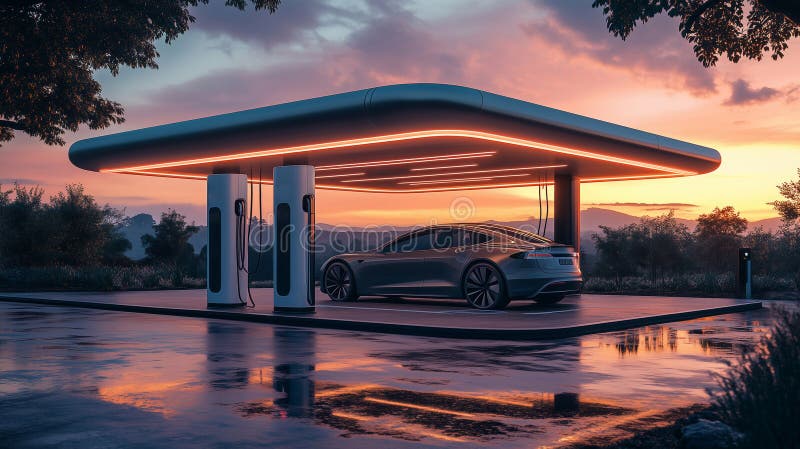
Understanding Vehicle-to-Grid (V2G) Technology

Vehicle-to-Grid (V2G) refers to a system where electric vehicles communicate with the power grid to sell demand response services by either returning electricity to the grid or by throttling their charging rate. This bidirectional flow of electricity is facilitated by advanced charging stations and smart grid infrastructure. Unlike traditional EV charging, which is unidirectional, V2G systems enable EVs to act as mobile energy storage units, providing power during peak demand periods and absorbing excess energy when supply exceeds demand.

How Does V2G Work?
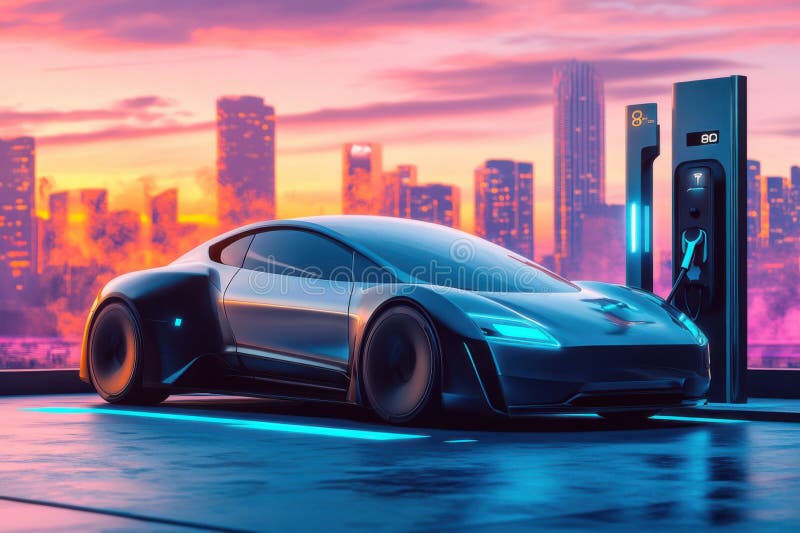
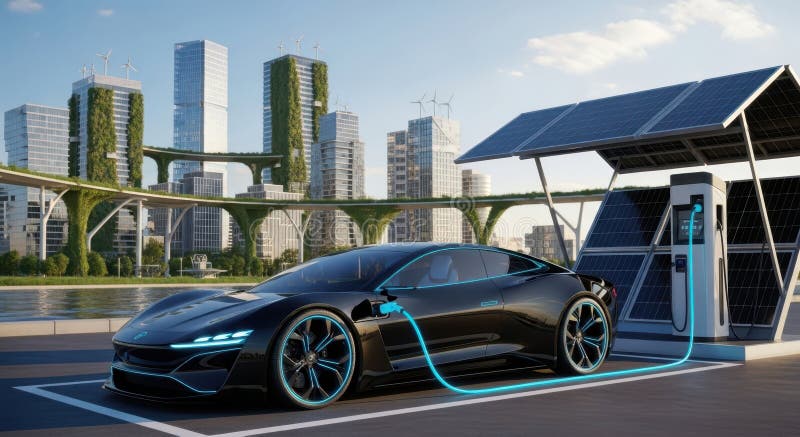
At the core of V2G technology is the ability of an EV’s battery to discharge electricity back into the grid. When an EV is plugged into a compatible V2G charger, it can either charge its battery or supply electricity to the grid based on real-time grid requirements. This process involves:
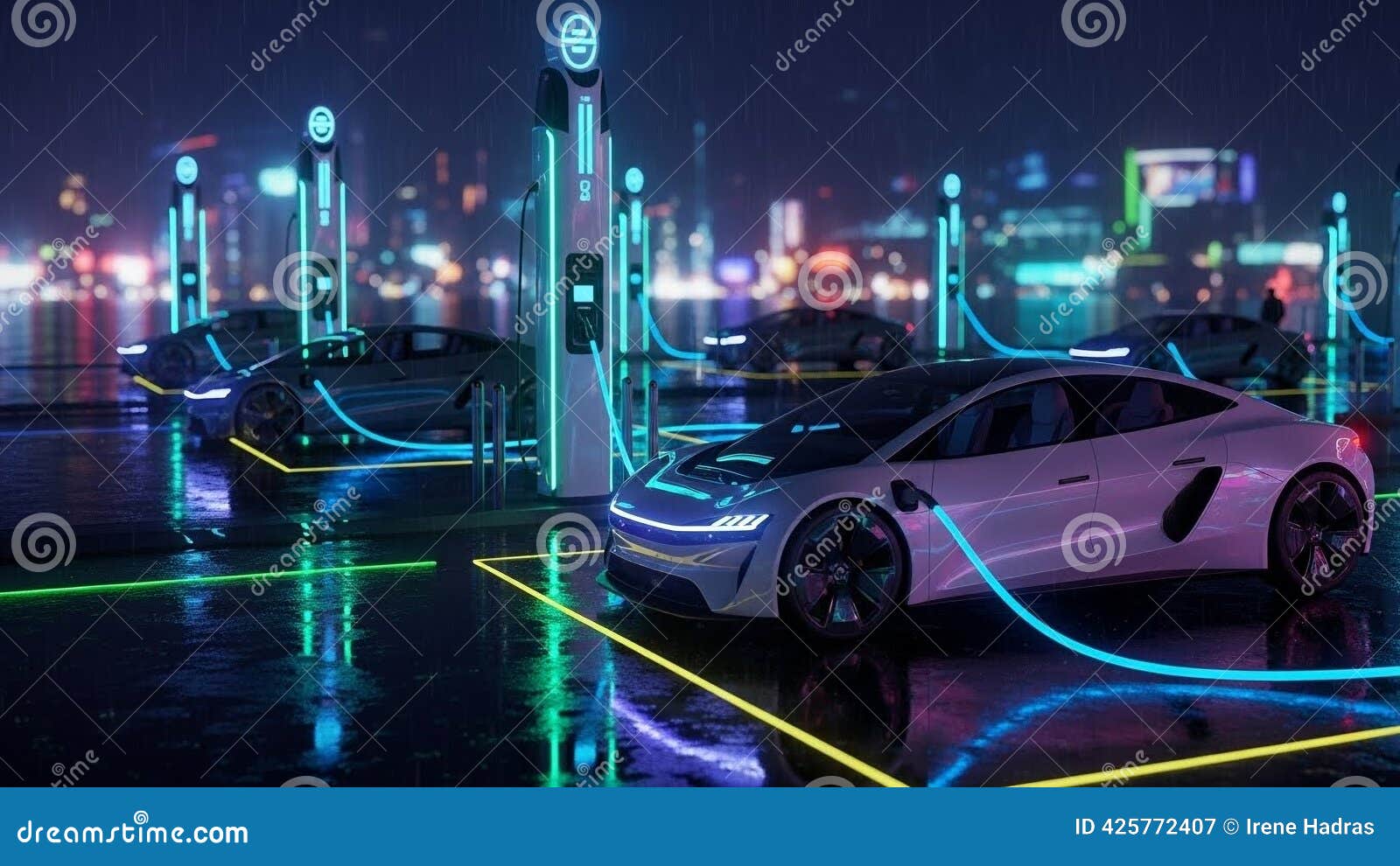
- Smart Charging Stations: Equipped with bidirectional chargers that manage energy flow both to and from the vehicle.
- Communication Protocols: EVs and the grid communicate through software platforms to coordinate energy exchange efficiently.
- Grid Management Systems: Utilities use these systems to monitor and control energy distribution, ensuring grid stability.
By leveraging these components, V2G technology helps balance electricity supply and demand, reduce reliance on fossil fuel power plants, and enhance the integration of renewable energy sources like solar and wind.
Benefits of Vehicle-to-Grid (V2G) Systems
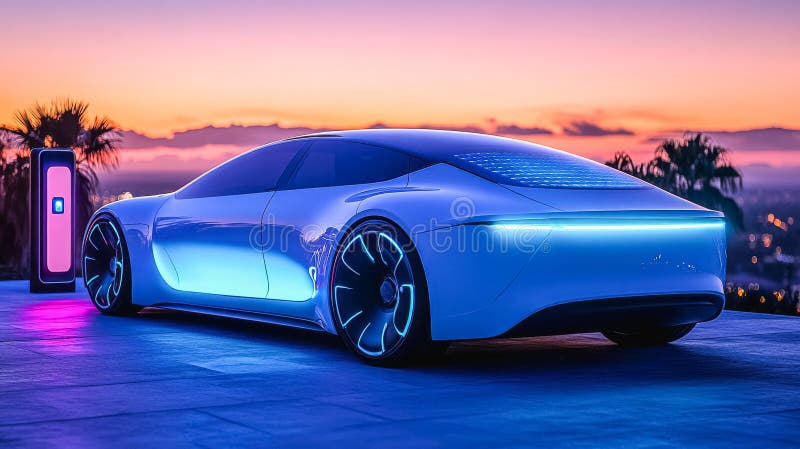
Implementing V2G technology offers numerous advantages for consumers, utilities, and the environment. Some of the key benefits include:
1. Grid Stability and Peak Load Management
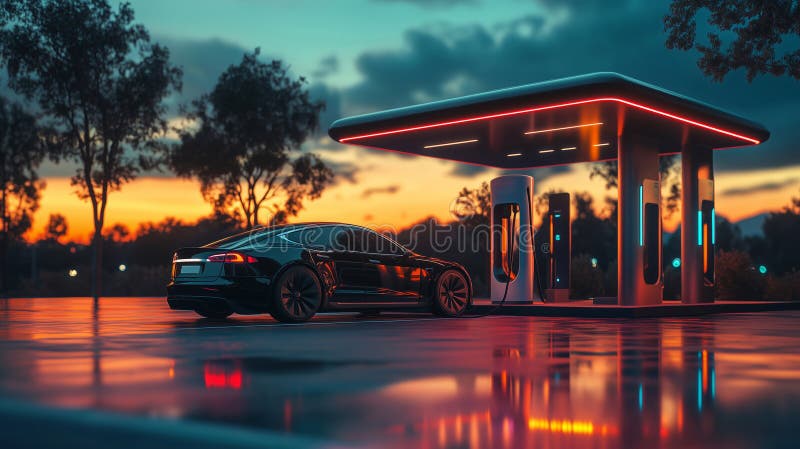
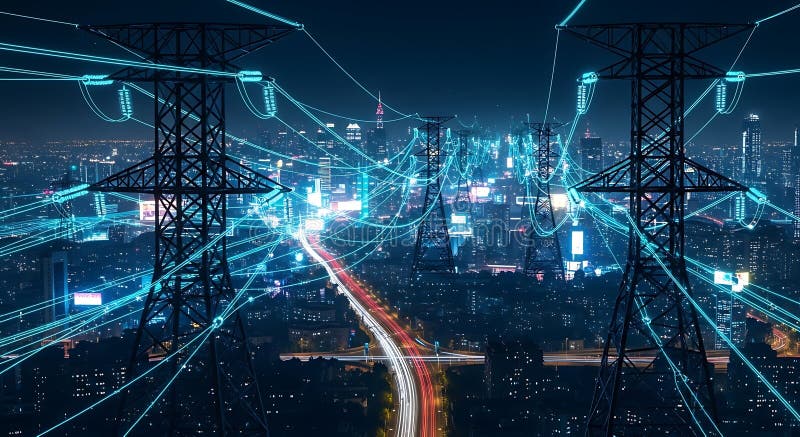
Electric grids often face challenges during peak demand periods, which can lead to blackouts or the need for expensive peaker plants. V2G systems provide a distributed energy resource that utilities can tap into to meet peak demand, thereby improving grid reliability and reducing operational costs.
2. Enhanced Renewable Energy Integration
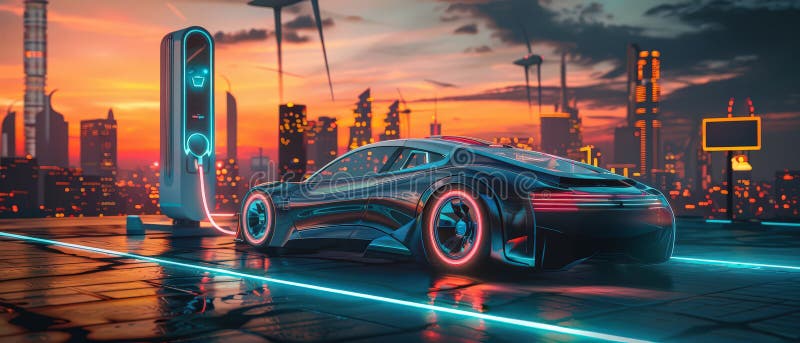
Renewable energy sources such as solar and wind are intermittent by nature. V2G technology allows EVs to store excess renewable energy when production is high and feed it back to the grid when production drops, smoothing out fluctuations and enabling higher penetration of clean energy.
3. Economic Incentives for EV Owners

EV owners can benefit financially by participating in V2G programs. Utilities may offer compensation for the electricity supplied back to the grid or for providing grid services such as frequency regulation. This creates an additional revenue stream for EV users and helps offset the cost of vehicle ownership.
4. Environmental Impact Reduction
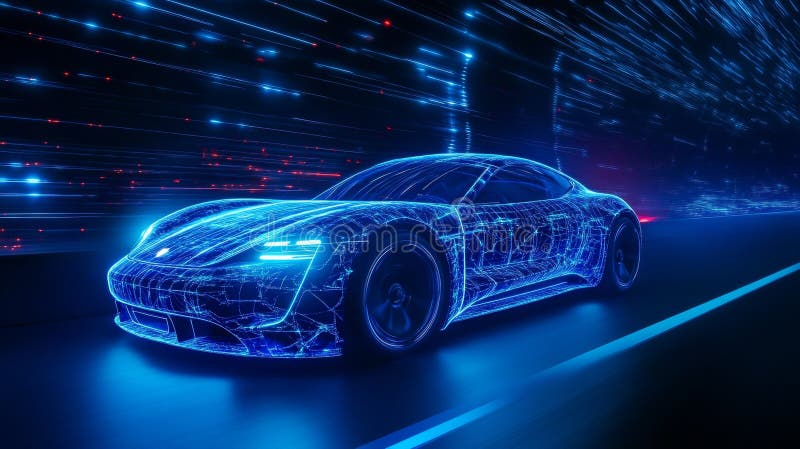
By optimizing energy use and reducing dependence on fossil fuel power plants, V2G contributes to lowering greenhouse gas emissions and advancing sustainability goals.
Challenges and Considerations in V2G Deployment
Despite its promising benefits, widespread adoption of V2G technology faces several hurdles:
1. Battery Degradation Concerns
Frequent charging and discharging cycles can accelerate battery wear. However, ongoing research aims to optimize V2G algorithms to minimize battery degradation while maximizing grid benefits.
2. Infrastructure and Standardization
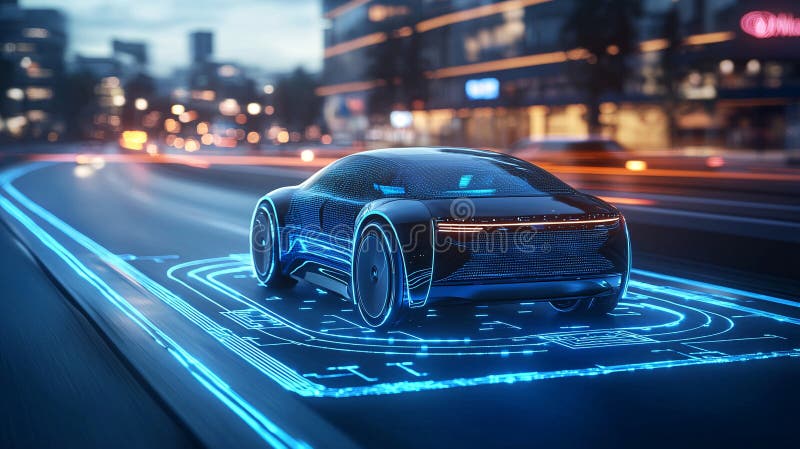
Deploying V2G requires significant upgrades to charging infrastructure and the development of universal communication standards to ensure compatibility between different EV models and grid operators.
3. Regulatory and Market Barriers

Regulatory frameworks and electricity market structures need to evolve to accommodate V2G services, including fair compensation mechanisms and clear guidelines for participation.
4. Consumer Awareness and Participation
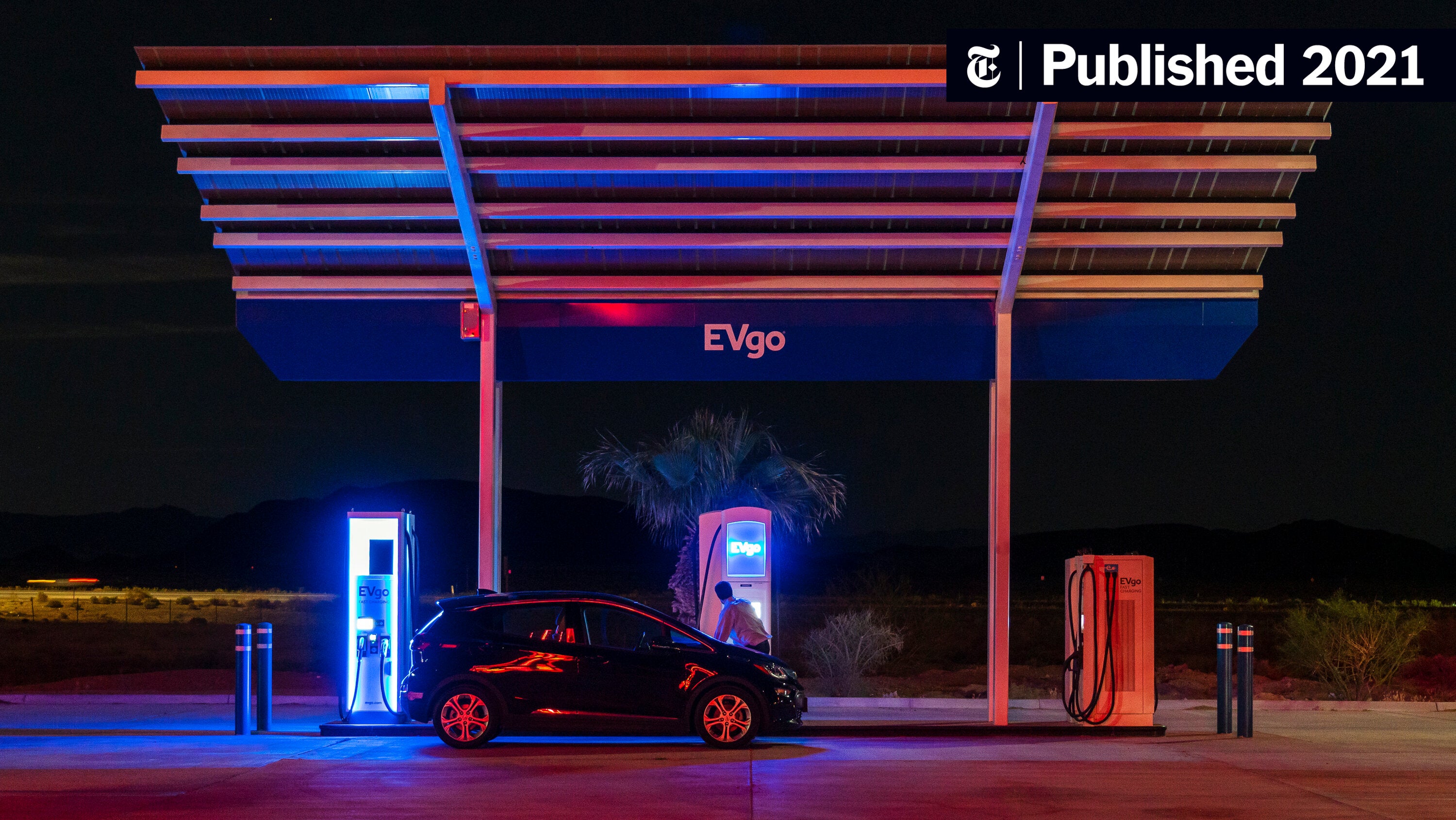
Successful V2G implementation depends on educating EV owners about the benefits and addressing concerns related to battery life, privacy, and control over energy use.
The Future of Vehicle-to-Grid (V2G) Technology
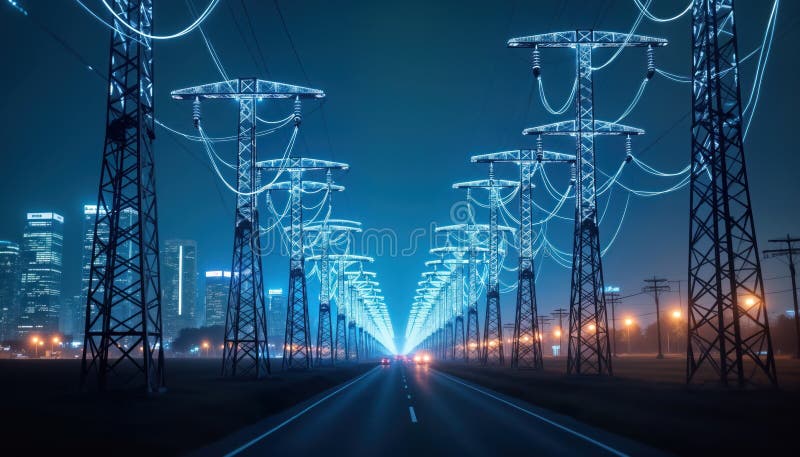
As electric vehicle adoption accelerates worldwide, V2G technology is poised to play a critical role in the transition to a sustainable energy future. Advances in battery technology, smart grid infrastructure, and regulatory support are expected to drive broader deployment of V2G systems. Pilot projects and commercial programs are already demonstrating the feasibility and benefits of V2G, paving the way for integration into mainstream energy management strategies.
Moreover, the convergence of V2G with other emerging technologies such as vehicle-to-home (V2H) and vehicle-to-building (V2B) systems will expand the potential applications of EVs as flexible energy resources.
Conclusion

Vehicle-to-Grid (V2G) technology represents a groundbreaking approach to energy management by transforming electric vehicles into active participants in the power grid. By enabling bidirectional energy flow, V2G enhances grid stability, supports renewable energy integration, and offers economic benefits to EV owners. While challenges remain, ongoing innovation and collaboration among stakeholders are driving the evolution of V2G systems. If you own an electric vehicle or are considering one, exploring V2G options could be a smart step toward contributing to a cleaner, more resilient energy future. Stay informed and get involved in the V2G revolution today!

