Hydrogen Cars: The Future of Clean Transportation
What Are Hydrogen Cars and How Do They Work?

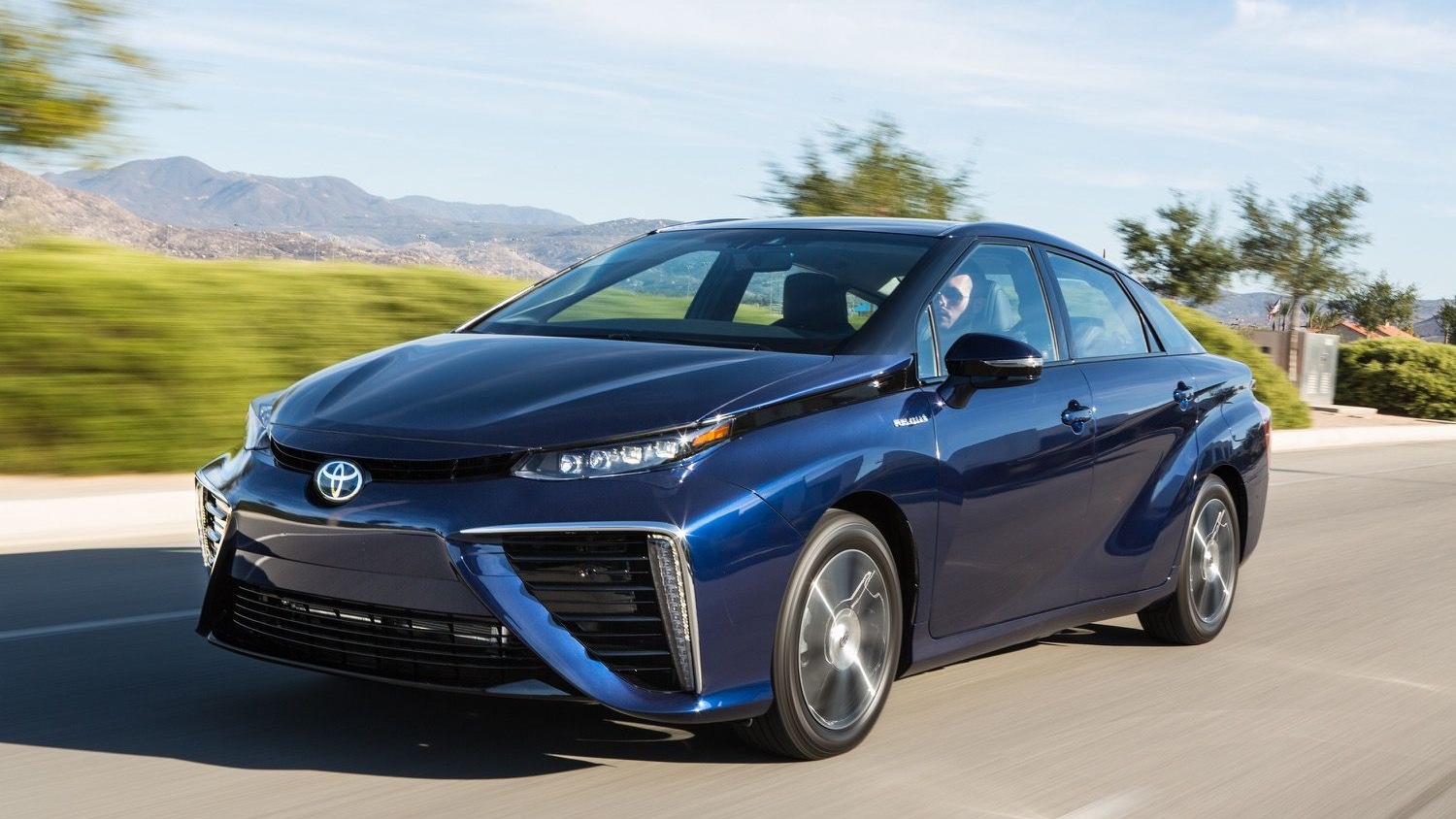
Hydrogen cars, also known as fuel cell vehicles (FCVs), represent a cutting-edge advancement in the automotive industry focused on sustainability and environmental preservation. Unlike conventional gasoline-powered cars, hydrogen vehicles utilize hydrogen gas as their primary fuel source. The core technology behind these vehicles is the fuel cell, which converts hydrogen gas into electricity through an electrochemical process. This electricity then powers an electric motor, propelling the car forward.
The only byproduct of this reaction is water vapor, making hydrogen cars an exceptionally clean mode of transportation. This zero-emission feature positions hydrogen vehicles as a vital component in reducing greenhouse gas emissions and combating climate change. Additionally, hydrogen cars offer several practical advantages, such as rapid refueling times—typically under five minutes—and driving ranges comparable to traditional gasoline vehicles, often exceeding 300 miles on a single tank.
Advantages of Hydrogen Cars Over Traditional Vehicles

One of the most significant benefits of hydrogen cars is their environmental impact. Since they emit only water vapor, they contribute no harmful pollutants or carbon dioxide to the atmosphere. This contrasts sharply with internal combustion engine vehicles, which release substantial amounts of greenhouse gases and particulate matter.
Moreover, hydrogen cars can be refueled much faster than battery electric vehicles (BEVs). While electric cars often require hours to recharge, hydrogen vehicles can be filled up in minutes, similar to refueling a gasoline car. This quick turnaround makes hydrogen cars more convenient for long-distance travel and reduces downtime.
Hydrogen fuel cells also tend to perform better in cold weather compared to batteries, maintaining efficiency even in low temperatures. Additionally, hydrogen fuel can be produced from various sources, including natural gas, water electrolysis using renewable energy, and biomass, offering flexibility and potential for sustainable production.
Challenges Facing Hydrogen Car Adoption

Despite their promising benefits, hydrogen cars face several hurdles that currently limit widespread adoption. One of the primary challenges is the lack of refueling infrastructure. Hydrogen fueling stations are scarce, especially outside of select regions, making it difficult for consumers to rely on hydrogen vehicles for daily use.
Another issue is the cost of producing hydrogen fuel cells and the vehicles themselves. Fuel cell technology remains expensive compared to traditional engines and battery electric vehicles, although costs are gradually decreasing with technological advancements and increased production scale.
There are also concerns about the environmental impact of hydrogen production. While green hydrogen—produced via electrolysis powered by renewable energy—is clean, much of the hydrogen today is generated from natural gas, which involves carbon emissions. Transitioning to sustainable hydrogen production methods is essential for maximizing the environmental benefits of hydrogen cars.
The Future Outlook for Hydrogen Cars
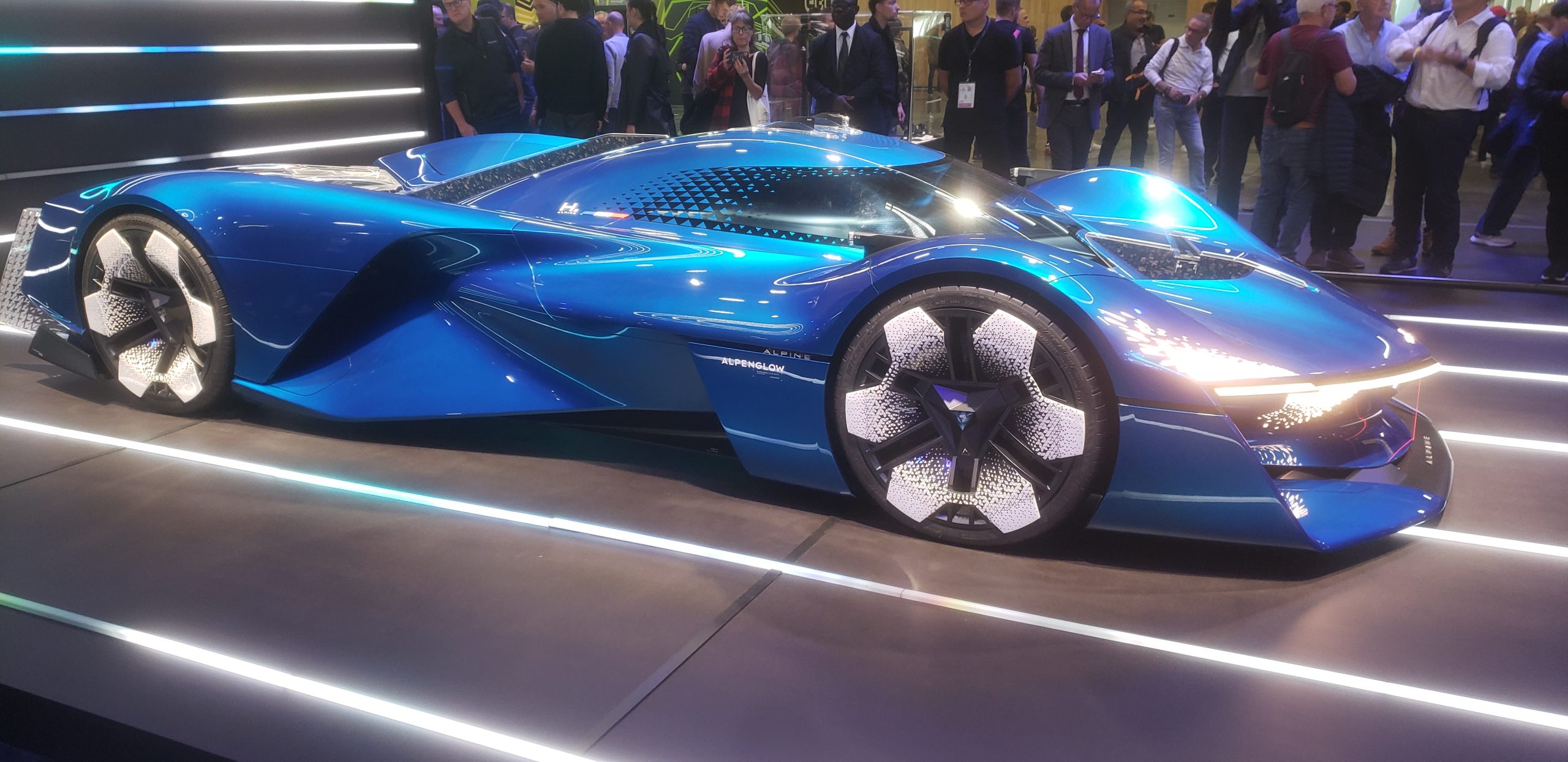
The future of hydrogen cars looks promising as governments and industries worldwide invest heavily in clean energy technologies. Several automakers have already launched commercial hydrogen vehicles, and research continues to improve fuel cell efficiency and reduce costs.
Infrastructure development is a key focus area, with new hydrogen refueling stations being built in strategic locations to support broader adoption. Additionally, advancements in green hydrogen production are expected to make hydrogen fuel more environmentally friendly and economically viable.
Hydrogen cars are likely to complement battery electric vehicles rather than replace them entirely. Each technology has unique strengths that suit different use cases—for instance, hydrogen cars are ideal for long-haul transportation and heavy-duty vehicles, while electric cars excel in urban environments.
How to Get Started with Hydrogen Cars

If you are interested in exploring hydrogen cars, start by researching available models and local refueling options. Some regions, such as California in the United States, have established hydrogen infrastructure and offer incentives for purchasing fuel cell vehicles.
Stay informed about developments in hydrogen technology and government policies supporting clean transportation. As the market evolves, more affordable models and expanded refueling networks will likely become available, making hydrogen cars a practical choice for more consumers.
Conclusion
Hydrogen cars offer a compelling solution for sustainable transportation, combining zero emissions, fast refueling, and long driving ranges. While challenges remain, ongoing advancements in technology and infrastructure are paving the way for hydrogen vehicles to play a significant role in the future automotive landscape. If you want to contribute to a cleaner environment and experience the benefits of innovative transportation, consider exploring hydrogen cars today. Embrace the future of driving—clean, efficient, and sustainable.