AI in Cars: Revolutionizing the Future of Driving
The Role of AI in Cars: Enhancing Safety and Efficiency

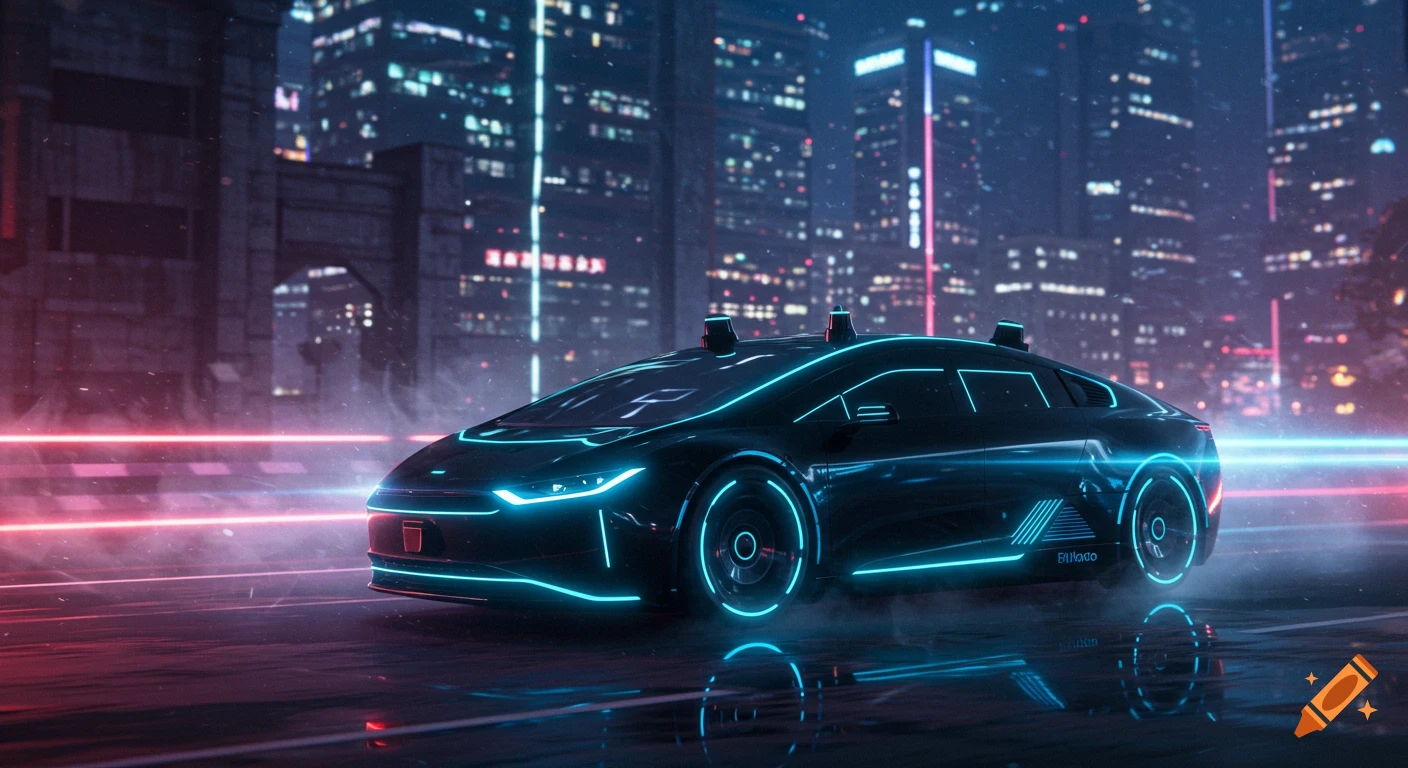
Artificial intelligence (AI) in cars is rapidly reshaping the way we drive and interact with vehicles. From advanced driver assistance systems (ADAS) to fully autonomous vehicles, AI technologies are making driving safer, more efficient, and increasingly convenient. By integrating AI, modern cars can analyze vast amounts of data in real-time, predict potential hazards, and assist drivers in making better decisions on the road.
One of the primary benefits of AI in cars is its ability to enhance safety. AI-powered systems such as automatic emergency braking, lane-keeping assist, and adaptive cruise control help reduce human error, which is a leading cause of traffic accidents worldwide. These systems use sensors, cameras, and machine learning algorithms to monitor the vehicle’s surroundings and respond instantly to changing conditions.
Moreover, AI improves fuel efficiency and reduces emissions by optimizing driving patterns and engine performance. Intelligent navigation systems can suggest the most efficient routes based on traffic data and weather conditions, helping drivers save time and fuel. This not only benefits individual drivers but also contributes to environmental sustainability.
Autonomous Vehicles: The Future of AI in Cars
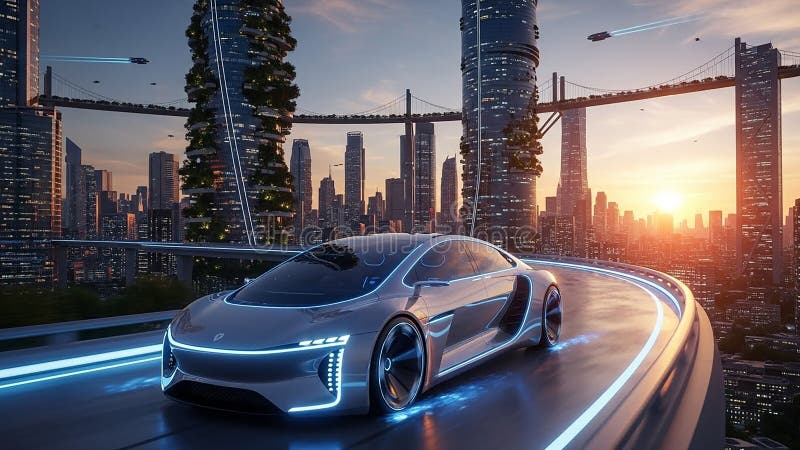
One of the most exciting applications of AI in cars is the development of autonomous vehicles, or self-driving cars. These vehicles rely heavily on AI to interpret sensor data, make complex decisions, and navigate safely without human intervention. Companies like Tesla, Waymo, and Uber are investing heavily in AI research to bring fully autonomous cars to the market.
Autonomous vehicles have the potential to revolutionize transportation by reducing accidents caused by human error, improving traffic flow, and providing mobility to those unable to drive. However, challenges remain, including regulatory hurdles, ethical considerations, and the need for robust AI systems that can handle unpredictable road scenarios.
Despite these challenges, progress in AI technology continues at a rapid pace. Advances in deep learning, computer vision, and sensor technology are enabling cars to better understand their environment and make smarter decisions. As a result, the dream of safe, reliable self-driving cars is becoming increasingly achievable.
How AI is Transforming the Driving Experience

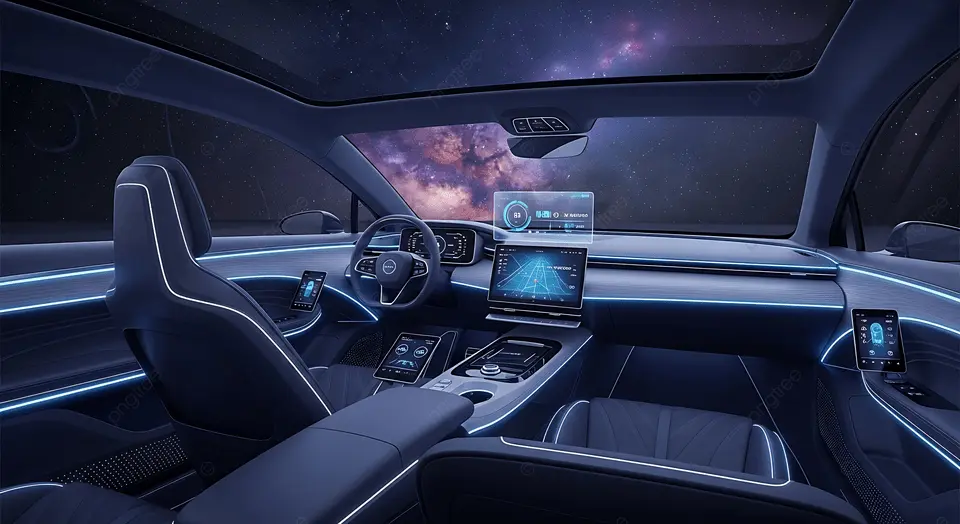
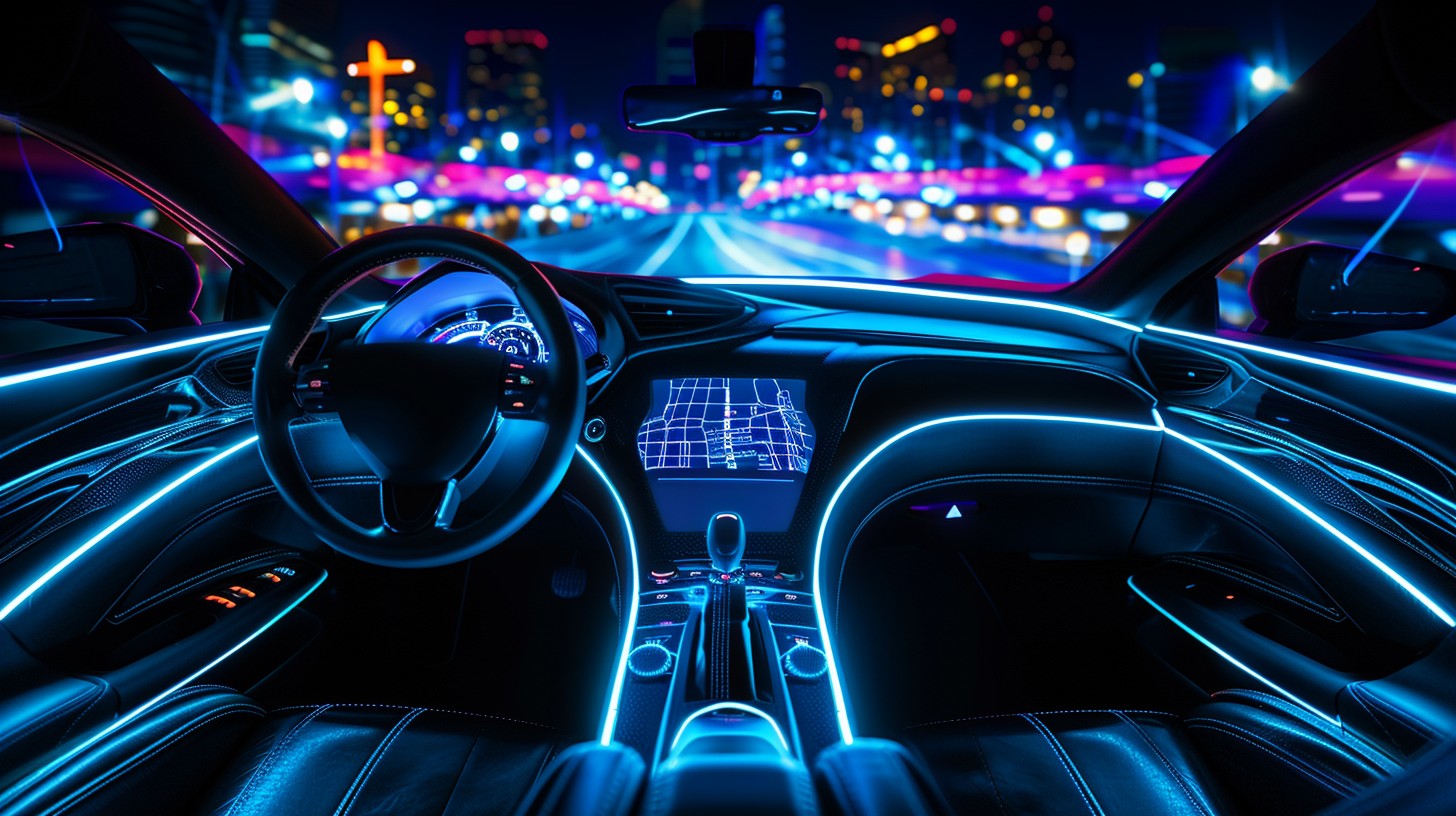
Beyond safety and autonomy, AI in cars is also enhancing the overall driving experience. Voice-activated assistants powered by AI allow drivers to control navigation, entertainment, and climate settings without taking their hands off the wheel. Personalized AI systems can learn driver preferences over time, adjusting settings automatically to improve comfort and convenience.
AI also plays a crucial role in predictive maintenance by monitoring vehicle health and alerting drivers to potential issues before they become serious problems. This proactive approach helps reduce breakdowns and costly repairs, ensuring vehicles remain in optimal condition.
Furthermore, AI enables seamless connectivity between cars and smart city infrastructure. This integration allows for real-time traffic updates, dynamic route adjustments, and better coordination with other vehicles, paving the way for smarter and more efficient urban mobility.
Challenges and Considerations for AI in Cars

While AI in cars offers numerous benefits, it also raises important challenges and considerations. Data privacy and cybersecurity are critical concerns, as connected vehicles generate and transmit vast amounts of personal and operational data. Ensuring this data is protected from unauthorized access is essential to maintain user trust.
Additionally, the ethical implications of AI decision-making in critical situations must be addressed. For example, how should an autonomous vehicle prioritize safety when faced with unavoidable accidents? Developing transparent and ethical AI frameworks is vital to gaining public acceptance.
Finally, widespread adoption of AI in cars requires significant infrastructure upgrades and regulatory support. Governments and industry stakeholders must collaborate to create standards and policies that facilitate safe and effective deployment of AI technologies in transportation.
Conclusion

AI in cars is undeniably transforming the automotive landscape by enhancing safety, improving efficiency, and paving the way for autonomous driving. As AI technology continues to evolve, it promises to deliver smarter, safer, and more enjoyable driving experiences for everyone. If you want to stay ahead in the rapidly changing world of automotive technology, now is the perfect time to explore how AI can benefit your driving journey. Embrace the future of driving—discover the power of AI in cars today!