Vehicle-to-Home (V2H): Revolutionizing Home Energy with Electric Vehicles
What is Vehicle-to-Home (V2H) Technology?
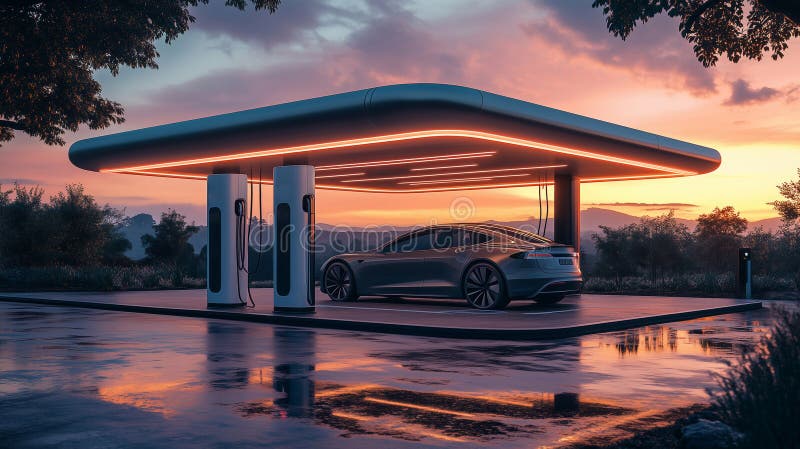
Vehicle-to-Home (V2H) technology is an emerging innovation that enables electric vehicles (EVs) to supply electricity directly to a home. Unlike traditional EV charging, which only draws power from the grid to charge the car, V2H allows the flow of electricity to reverse, sending stored energy from the EV’s battery back into the home’s electrical system. This two-way energy transfer transforms EVs into mobile energy storage units, providing homeowners with a flexible and sustainable energy source.
The core concept behind V2H is simple yet powerful: when your EV is not in use, it can act as a backup power supply or even reduce your reliance on the grid during peak hours. This capability is especially valuable during power outages or times of high electricity demand, offering a reliable and cost-effective energy solution.
How Does Vehicle-to-Home Work?
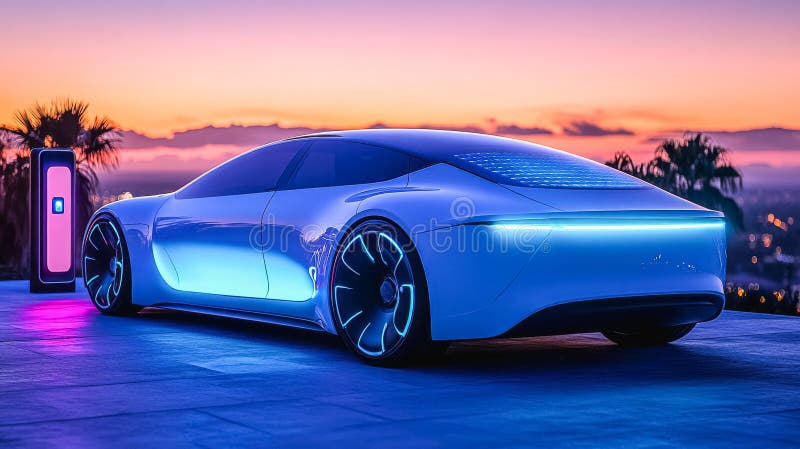
The V2H system requires specialized bi-directional chargers that facilitate the flow of electricity both to and from the EV. When your home needs power, the system draws electricity from the EV’s battery and supplies it to your home’s electrical panel. Conversely, when the EV battery is low, it can be recharged from the grid or renewable energy sources such as solar panels.
Integration with smart home energy management systems enhances V2H functionality by optimizing when and how energy is used or stored. For example, during sunny days, solar panels can charge the EV, which then powers the home during the night or cloudy periods. This synergy maximizes energy efficiency and reduces electricity costs.
The Benefits of Vehicle-to-Home Systems
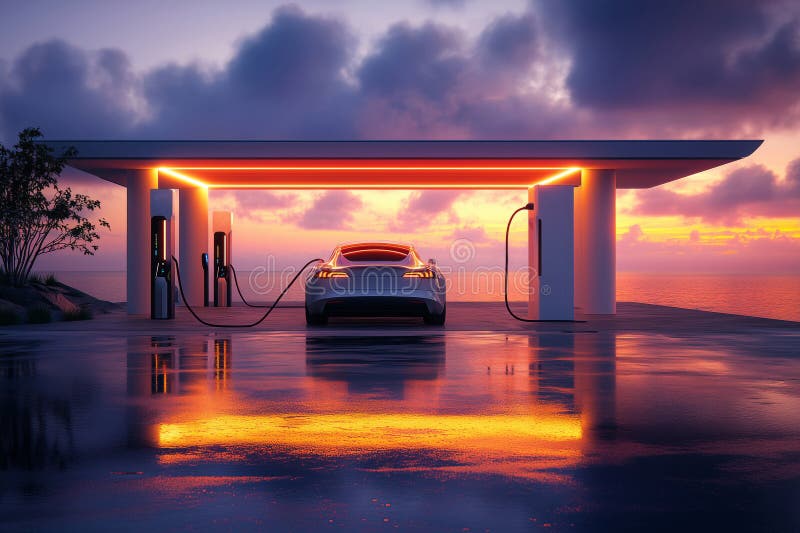
Adopting Vehicle-to-Home technology offers numerous advantages for homeowners, energy providers, and the environment:
1. **Energy Independence and Resilience**
V2H provides a reliable backup power source during grid outages, ensuring that essential appliances and systems continue to function. This energy independence is crucial for areas prone to blackouts or natural disasters.
2. **Cost Savings**
By using stored energy from the EV during peak electricity rate periods, homeowners can reduce their utility bills. Additionally, V2H enables better utilization of renewable energy, lowering overall energy expenses.
3. **Environmental Impact**
V2H promotes the use of clean energy by integrating EVs with renewable sources like solar or wind. This reduces reliance on fossil fuels and decreases greenhouse gas emissions.
4. **Grid Support and Stability**
When widely adopted, V2H systems can help balance electricity demand on the grid by supplying power during peak times and charging during off-peak hours, contributing to a more stable and efficient energy network.
Challenges and Considerations
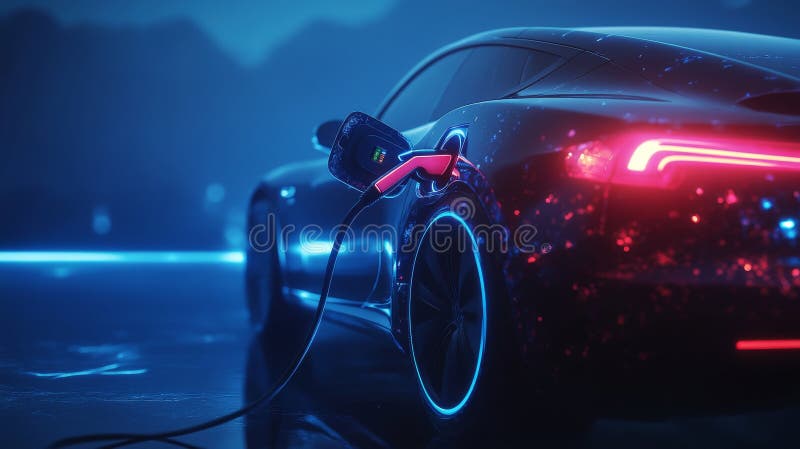
While V2H technology holds great promise, there are some challenges to consider. The initial cost of bi-directional chargers and compatible EVs can be high, although prices are expected to decrease as the technology matures. Additionally, battery degradation concerns arise when EV batteries are frequently cycled for home energy use, but ongoing advancements in battery technology are addressing these issues.
Homeowners should also evaluate their energy needs and local regulations before investing in V2H systems. Consulting with energy experts can help determine the best setup for maximizing benefits.
Future Outlook of Vehicle-to-Home Technology
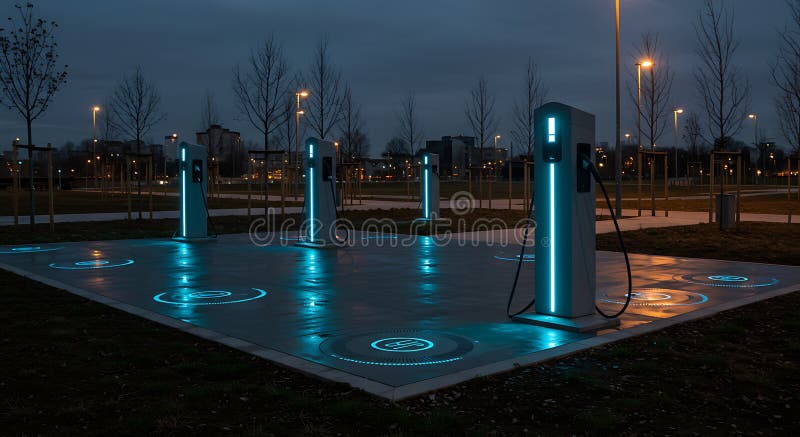
The future of Vehicle-to-Home is bright, with increasing interest from automakers, utility companies, and policymakers. As EV adoption grows and renewable energy becomes more widespread, V2H systems will play a pivotal role in creating smarter, more sustainable homes.
Innovations in battery technology, grid infrastructure, and energy management software will further enhance V2H capabilities, making it more accessible and efficient. Governments worldwide are also introducing incentives and standards to encourage V2H integration, accelerating its adoption.
How to Get Started with Vehicle-to-Home

If you’re interested in leveraging your electric vehicle as a home energy source, start by researching compatible EV models and bi-directional chargers. Check with your local utility provider about any available programs or incentives for V2H installation.
Partnering with certified installers and energy consultants will ensure your system is safe, compliant, and optimized for your household’s needs. As you transition to V2H, consider combining it with solar panels or other renewable energy sources to maximize environmental and financial benefits.
Conclusion
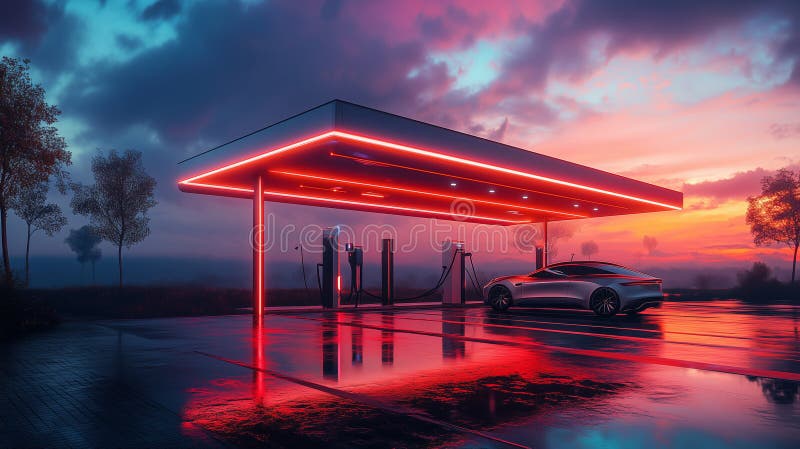
Vehicle-to-Home (V2H) technology is transforming the way we think about energy consumption and electric vehicles. By enabling EVs to power homes, V2H offers a sustainable, cost-effective, and resilient energy solution that benefits homeowners and the environment alike. As this technology continues to evolve, now is the perfect time to explore how V2H can enhance your home’s energy independence and efficiency. Take the first step towards a smarter energy future by consulting with a V2H expert today!