OTA Software Updates: Revolutionizing Device Maintenance and User Experience
Understanding OTA Software Updates

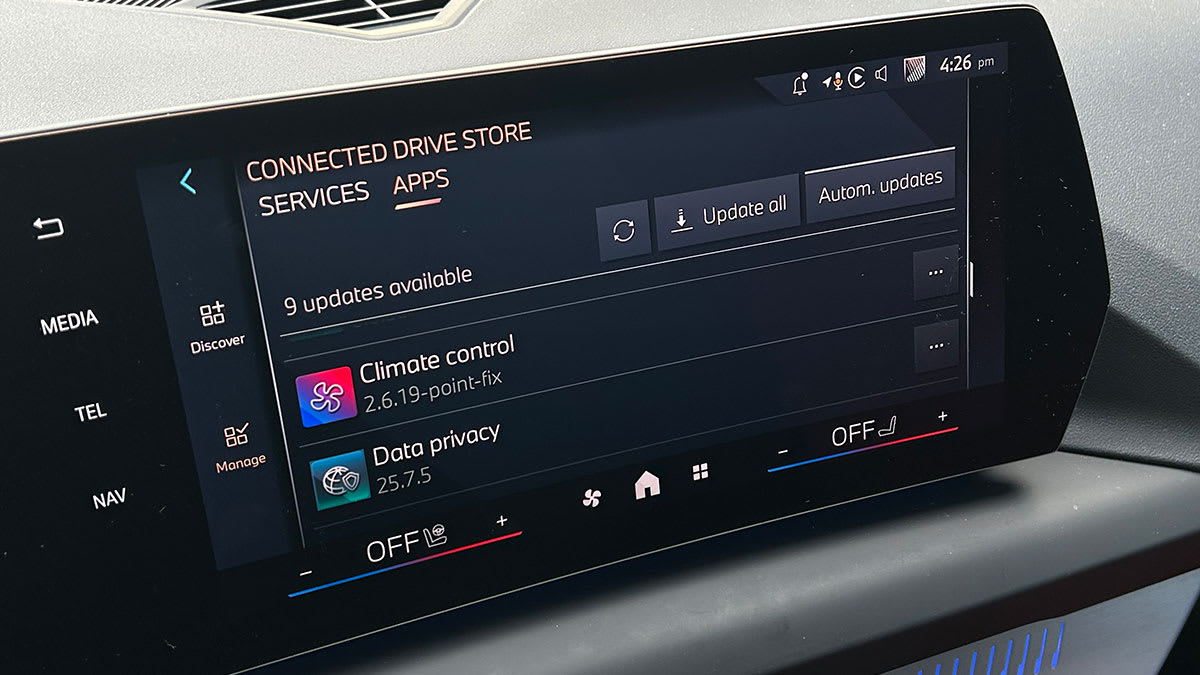
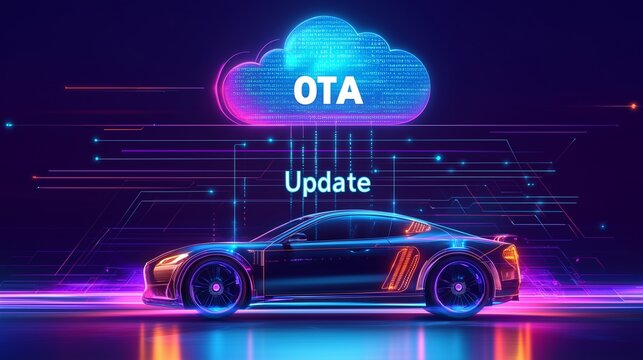
Over-the-Air (OTA) software updates have become an essential component in the modern technology ecosystem. OTA updates allow devices such as smartphones, smart TVs, IoT gadgets, and vehicles to receive software improvements, bug fixes, and security patches wirelessly without requiring physical connections or manual intervention. This technology streamlines the update process, ensuring devices remain up-to-date with the latest features and protections.
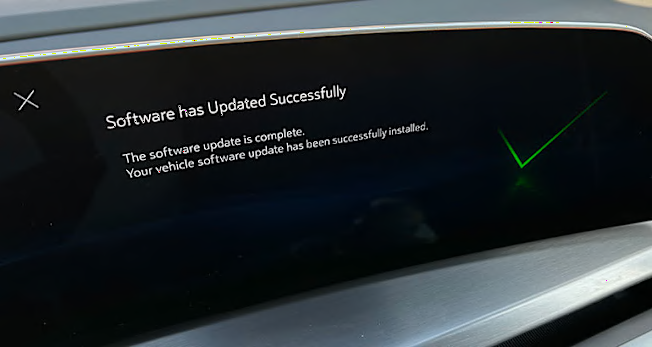
OTA software updates work by delivering new software packages directly to the device through a wireless network, typically via Wi-Fi or cellular data. Once the update is downloaded, the device installs the new software, often requiring a reboot to complete the process. This method eliminates the need for users to connect their devices to computers or visit service centers, making maintenance more convenient and efficient.
Key Benefits of OTA Software Updates

OTA software updates offer numerous advantages for both manufacturers and end-users:
1. **Convenience and Accessibility:** Users can update their devices anytime and anywhere without the need for cables or specialized equipment.
2. **Enhanced Security:** Regular OTA updates help patch vulnerabilities quickly, protecting devices from emerging threats.
3. **Cost Efficiency:** Manufacturers save on distribution costs by delivering updates digitally, reducing the need for physical media or in-person servicing.
4. **Improved User Experience:** OTA updates enable the deployment of new features and performance enhancements, keeping devices fresh and competitive.
5. **Scalability:** OTA systems can manage updates for millions of devices simultaneously, making them ideal for large-scale deployments.
Challenges and Considerations in OTA Updates

Despite their advantages, OTA software updates also present certain challenges:
– **Network Reliability:** Successful updates depend on stable internet connections; interruptions can cause update failures or device malfunctions.
– **Security Risks:** If not properly secured, OTA update channels can be exploited by attackers to distribute malicious software.
– **Compatibility Issues:** Updates must be thoroughly tested to ensure they do not introduce bugs or incompatibilities with existing hardware or software.
– **User Consent and Control:** Some users may prefer to delay updates or opt out entirely, requiring clear communication and flexible update policies.
Manufacturers must implement robust encryption, authentication, and rollback mechanisms to mitigate these risks and ensure a smooth update experience.
The Future of OTA Software Updates

As connected devices continue to proliferate, OTA software updates will play an increasingly critical role in device lifecycle management. Emerging trends include:
– **AI-Driven Update Optimization:** Artificial intelligence can analyze device usage patterns to schedule updates at optimal times, minimizing disruption.
– **Incremental Updates:** Instead of downloading entire software packages, devices will receive smaller, targeted patches, reducing data usage and update time.
– **Cross-Platform Updates:** Unified OTA frameworks will enable simultaneous updates across diverse device ecosystems, simplifying management for manufacturers.
– **Enhanced Security Protocols:** Advances in blockchain and secure enclave technologies will further protect OTA update processes from tampering.
By embracing these innovations, OTA software updates will continue to enhance device reliability, security, and user satisfaction.
Implementing OTA Updates: Best Practices

For organizations looking to deploy OTA software updates effectively, consider the following best practices:
– **Comprehensive Testing:** Rigorously test updates across all supported devices and configurations to prevent issues post-deployment.
– **User Communication:** Inform users about upcoming updates, benefits, and potential impacts to foster trust and compliance.
– **Fail-Safe Mechanisms:** Incorporate rollback features that allow devices to revert to previous stable versions if an update fails.
– **Data Privacy Compliance:** Ensure update processes comply with relevant data protection regulations to safeguard user information.
– **Monitoring and Analytics:** Continuously monitor update performance and user feedback to improve future releases.
Conclusion

OTA software updates have transformed how devices are maintained and enhanced, offering unparalleled convenience, security, and scalability. As technology advances, embracing OTA update strategies is essential for manufacturers and users alike to ensure devices remain secure, functional, and up-to-date. If you want to stay ahead in the digital age, consider integrating OTA software updates into your device management plan today and experience the benefits firsthand.