Robotaxi: The Future of Urban Transportation
What is a Robotaxi and How Does It Work?

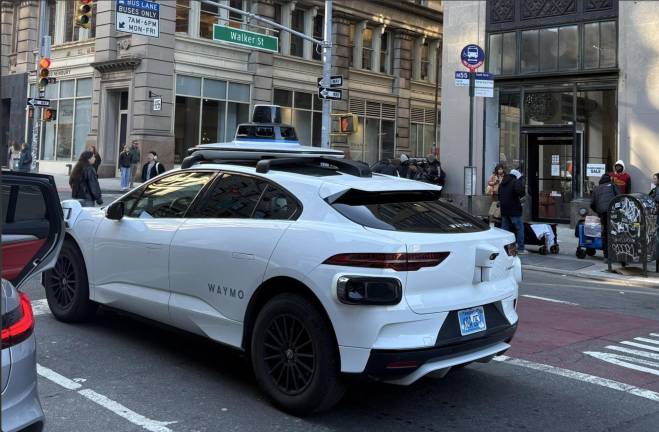
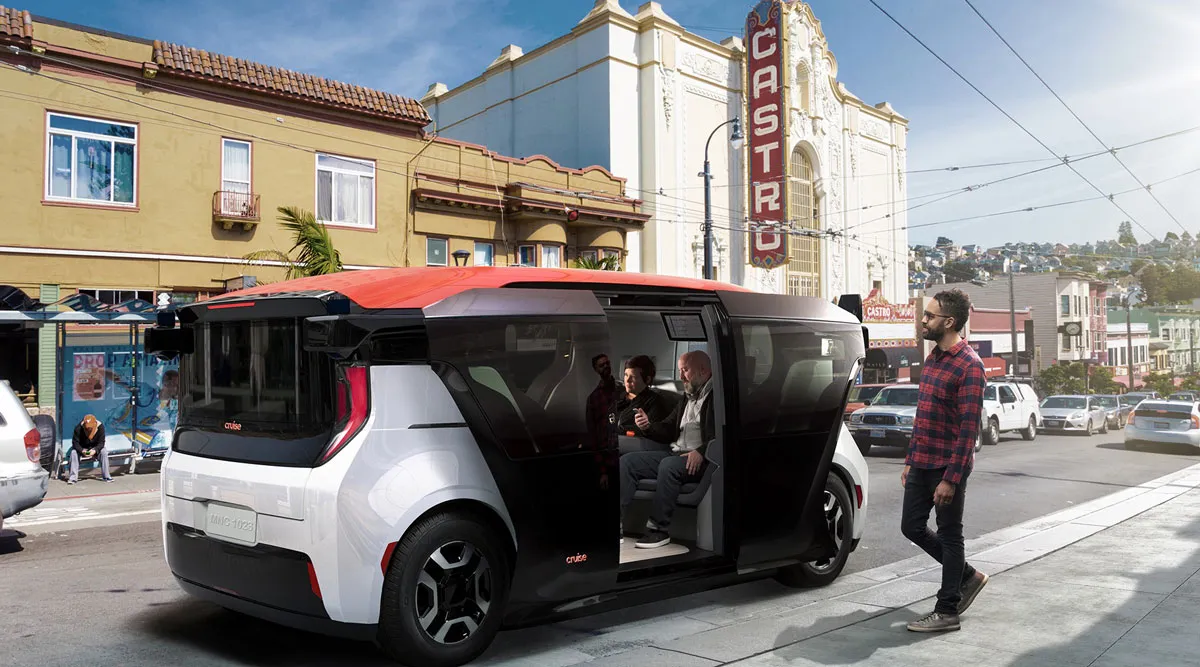
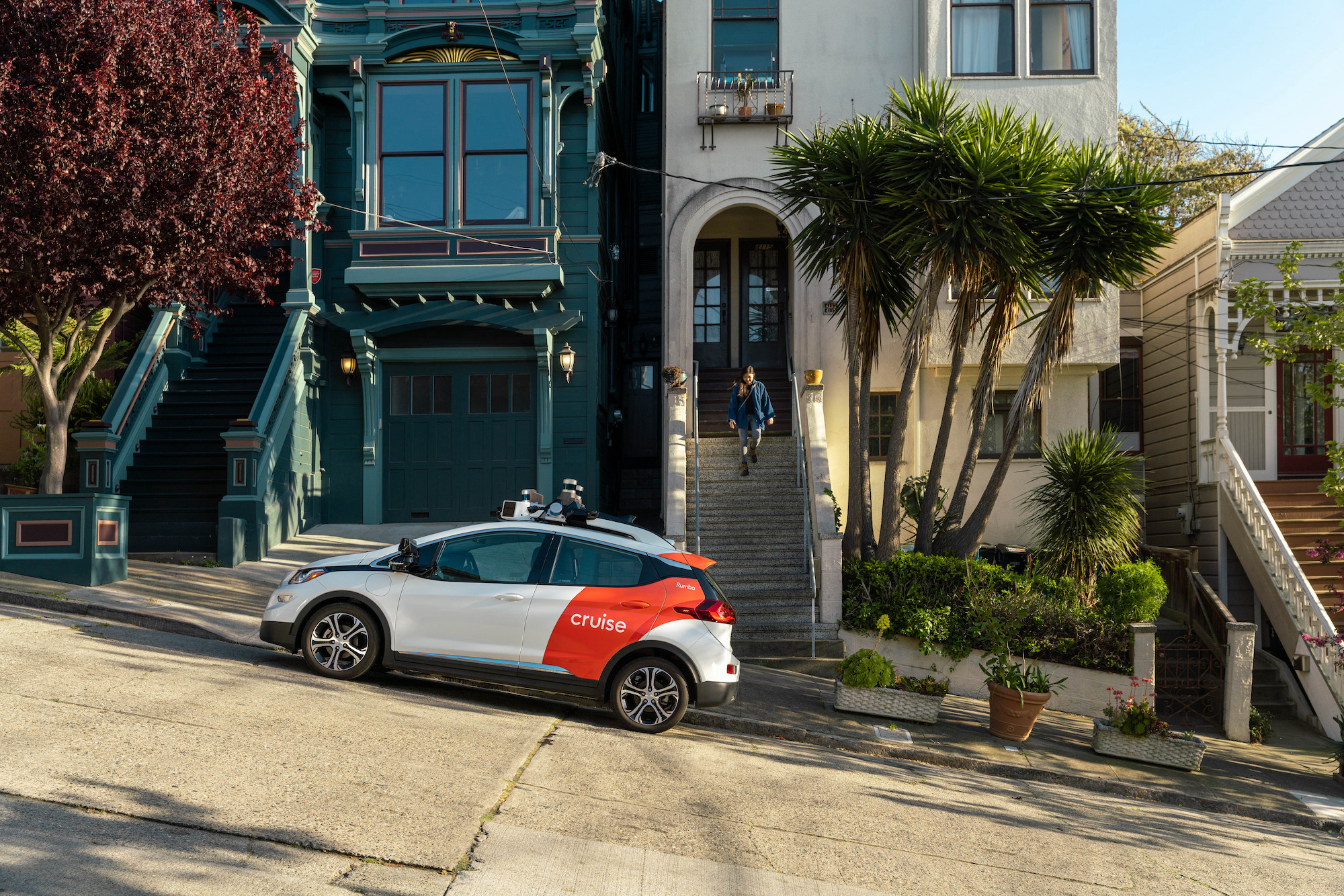
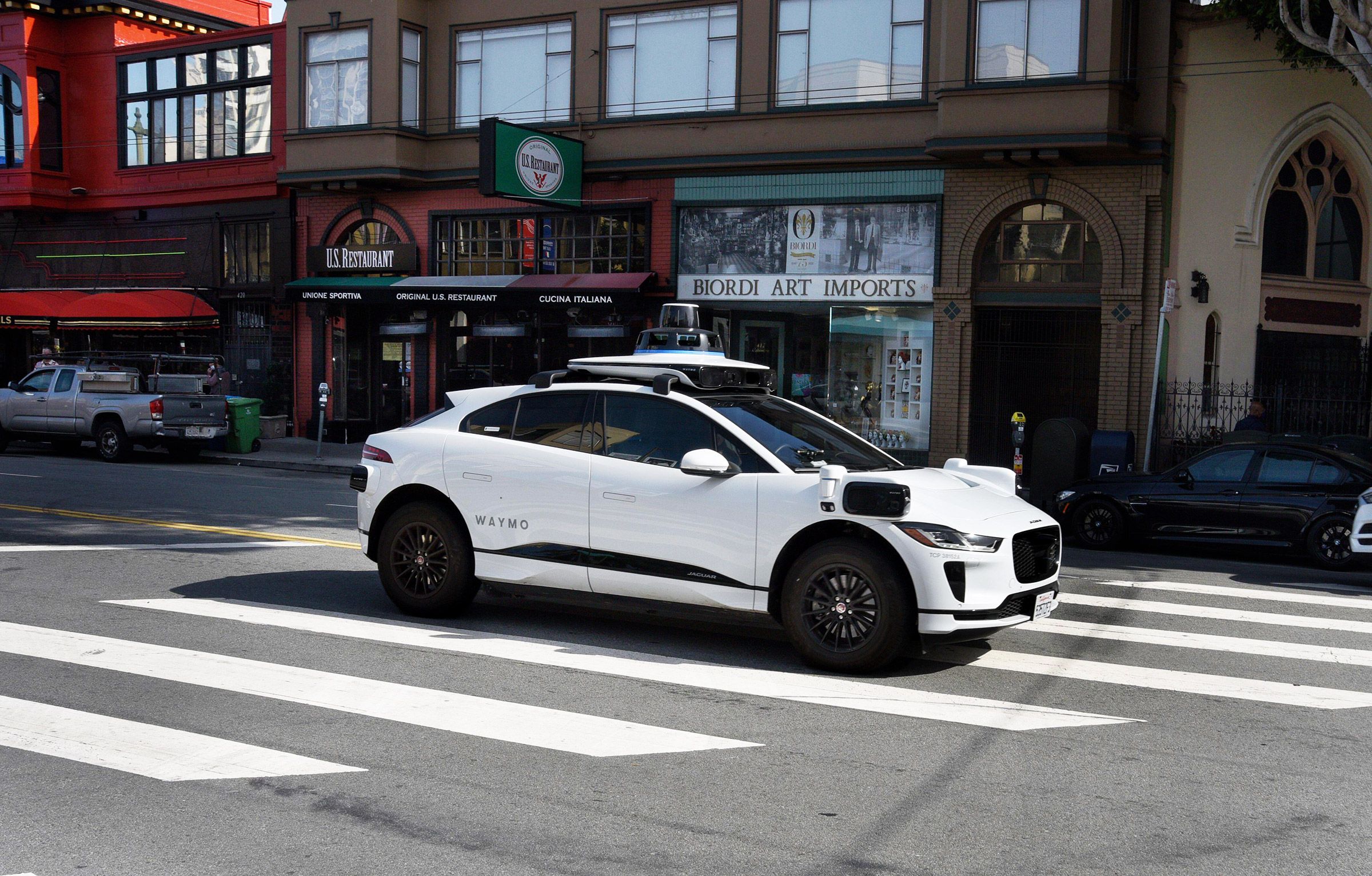
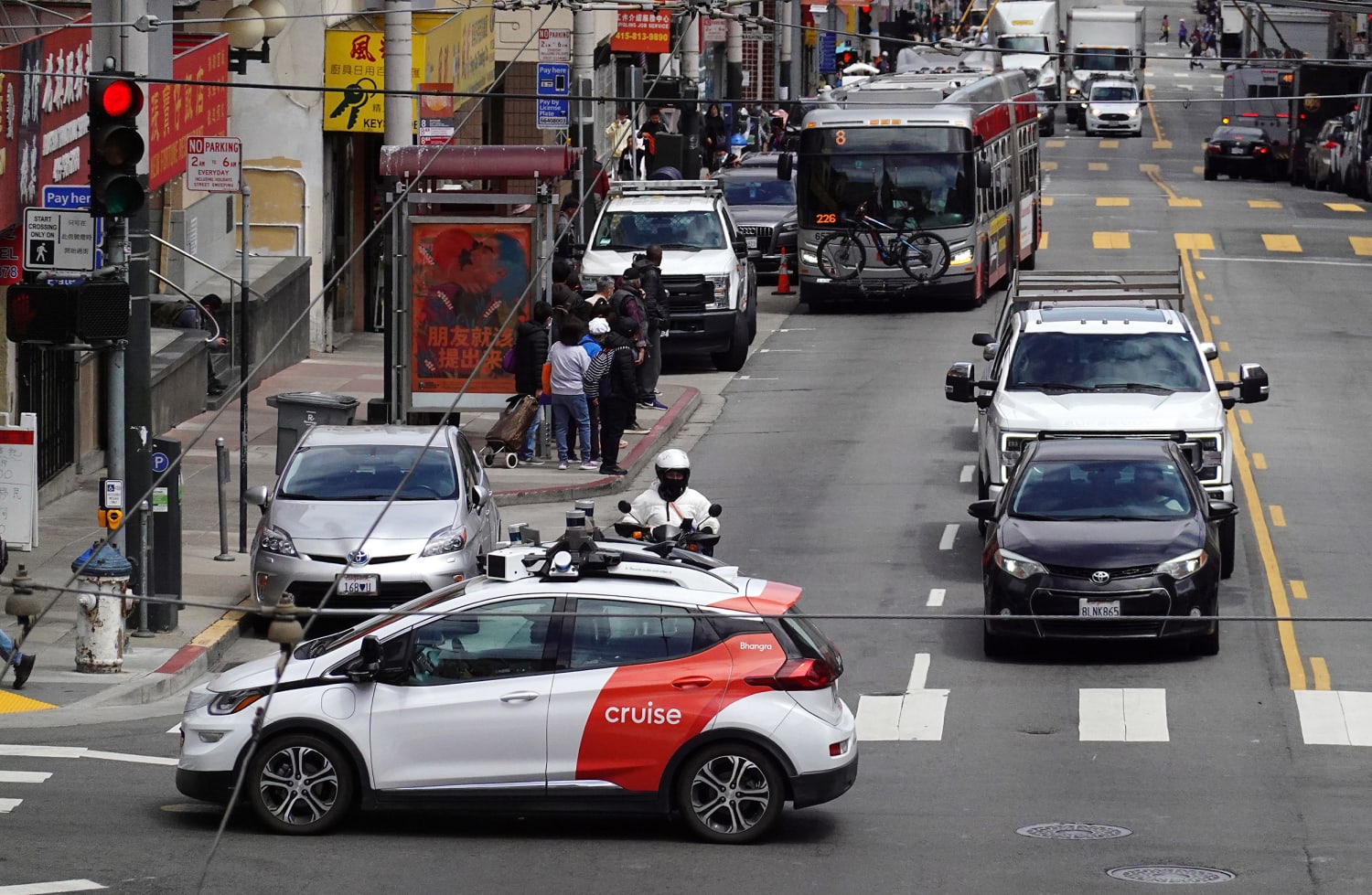
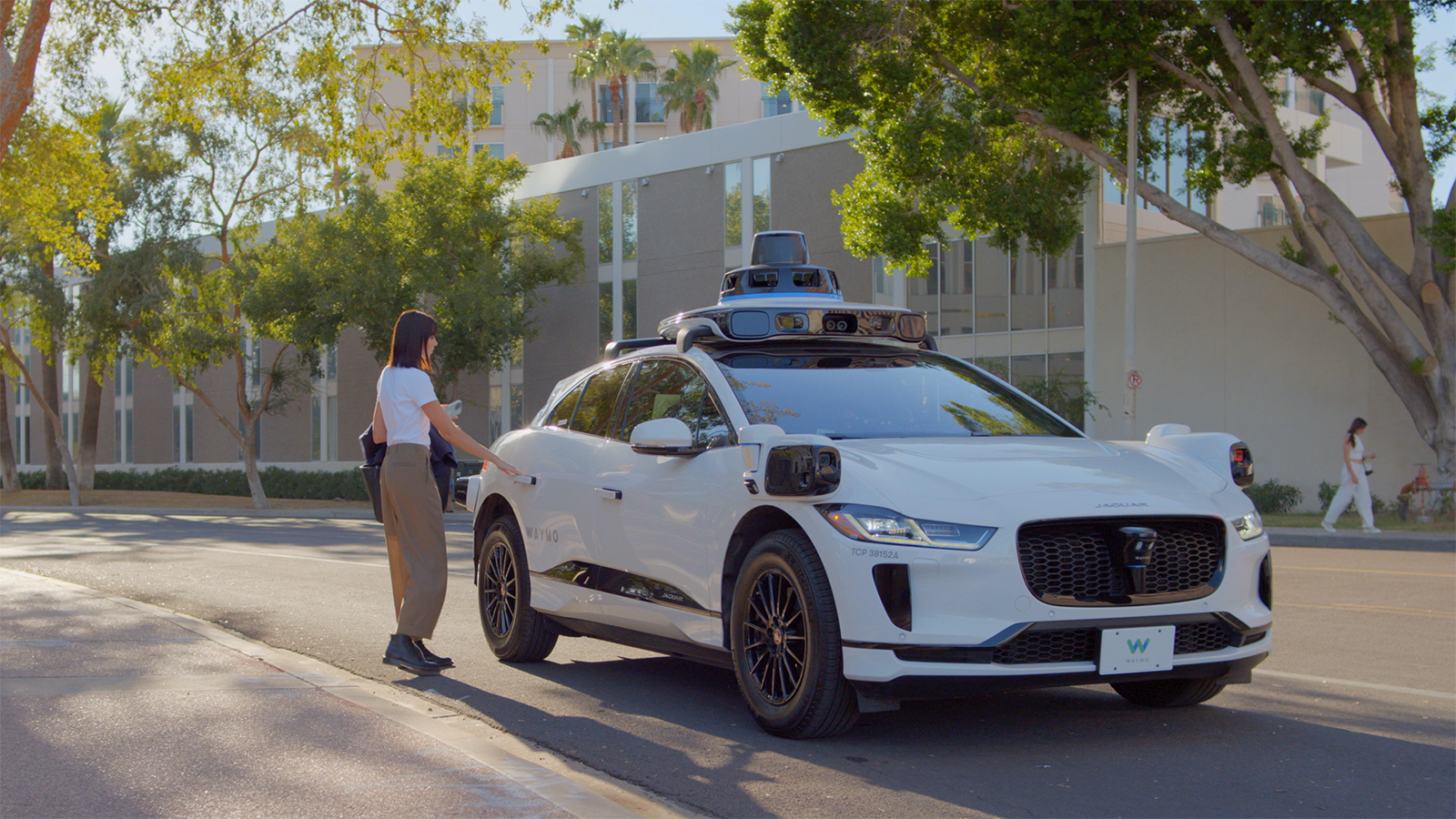
Robotaxi refers to a fully autonomous taxi service that operates without a human driver. Utilizing advanced technologies such as artificial intelligence, machine learning, lidar, radar, and GPS, Robotaxis navigate city streets, pick up passengers, and drop them off at their destinations safely and efficiently. These vehicles are equipped with a suite of sensors and cameras that allow them to perceive their surroundings in real-time, making decisions based on traffic conditions, road signs, and pedestrian movements.
The core advantage of Robotaxi technology lies in its ability to provide on-demand transportation without the need for a driver, which can significantly reduce operational costs and improve accessibility. Passengers can request rides via mobile apps, similar to traditional ride-hailing services, but the vehicle operates autonomously, ensuring a seamless and convenient travel experience.
Key Technologies Behind Robotaxi Systems

The success of Robotaxi services depends on the integration of several cutting-edge technologies:
– **Artificial Intelligence (AI):** AI algorithms process vast amounts of data to make real-time driving decisions, predict traffic patterns, and optimize routes.
– **Sensors and Cameras:** Lidar and radar sensors create a 3D map of the environment, while cameras detect traffic signals, pedestrians, and obstacles.
– **Connectivity:** High-speed internet and vehicle-to-everything (V2X) communication enable Robotaxis to interact with traffic infrastructure and other vehicles for enhanced safety.
– **Mapping and Localization:** Precise GPS and high-definition maps allow Robotaxis to understand their exact location and navigate complex urban environments.
Benefits of Robotaxi Services in Urban Areas

Robotaxi technology offers numerous advantages that can transform urban mobility:
1. **Increased Safety:** Autonomous vehicles eliminate human errors such as distracted or impaired driving, potentially reducing accidents and fatalities.
2. **Cost Efficiency:** Without the need for a driver, operational costs decrease, making rides more affordable for passengers.
3. **Reduced Traffic Congestion:** Robotaxis can optimize routes and coordinate with other vehicles to minimize traffic jams and improve flow.
4. **Environmental Impact:** Many Robotaxis are electric, contributing to lower emissions and supporting sustainable urban development.
5. **Accessibility:** Autonomous taxis can provide mobility solutions for people who cannot drive, including the elderly and disabled.
Challenges Facing Robotaxi Adoption

Despite its promising potential, Robotaxi technology faces several hurdles:
– **Regulatory Framework:** Governments need to establish clear policies and safety standards for autonomous vehicles.
– **Public Trust:** Building confidence in driverless technology requires extensive testing and transparency.
– **Technical Limitations:** Handling complex urban scenarios such as unpredictable pedestrians or adverse weather remains challenging.
– **Infrastructure Needs:** Cities must invest in smart infrastructure to support seamless Robotaxi operations.
The Future Outlook of Robotaxi Services

As technology advances and regulatory environments evolve, Robotaxi services are poised to become a mainstream mode of transportation. Major automotive and tech companies are investing heavily in research and pilot programs worldwide. Integration with public transit systems and shared mobility platforms could further enhance urban transportation networks.
In the coming years, we can expect Robotaxis to offer personalized, efficient, and eco-friendly travel options, reshaping how people move within cities. Continuous improvements in AI, sensor technology, and infrastructure will address current challenges, paving the way for widespread adoption.
How to Prepare for the Robotaxi Revolution

To embrace the benefits of Robotaxi services, urban planners, policymakers, and consumers should:
– Support the development of smart city infrastructure.
– Advocate for clear and adaptive regulations.
– Stay informed about autonomous vehicle technologies.
– Consider the environmental and social impacts of transportation choices.
Conclusion
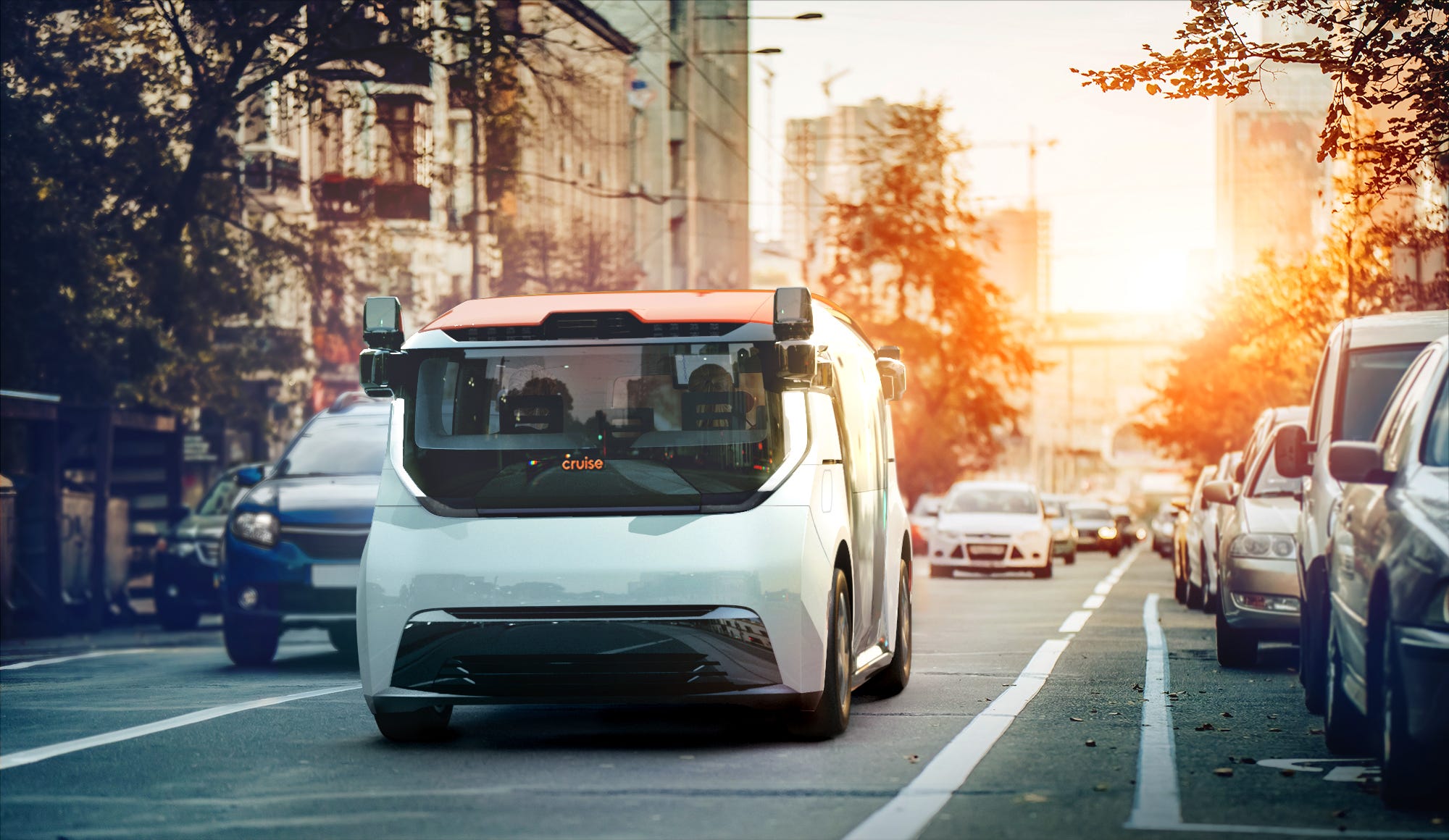
Robotaxi technology is set to revolutionize urban transportation by providing safer, more affordable, and environmentally friendly mobility solutions. As cities continue to grow and evolve, embracing autonomous taxi services can alleviate congestion, reduce emissions, and enhance accessibility for all. Stay ahead of the curve by learning more about Robotaxi innovations and supporting initiatives that drive this transformative change. Ready to experience the future of transportation? Explore Robotaxi services in your city today and be part of the autonomous mobility revolution!