Autonomous Driving: The Future of Transportation
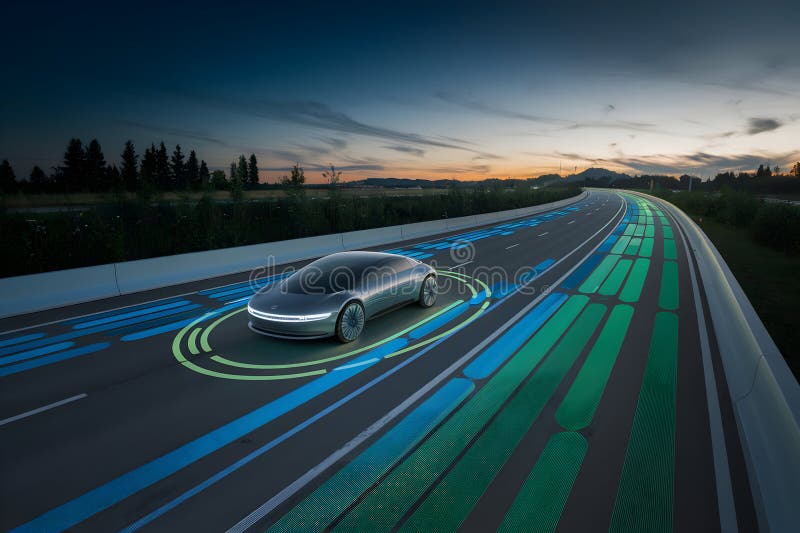
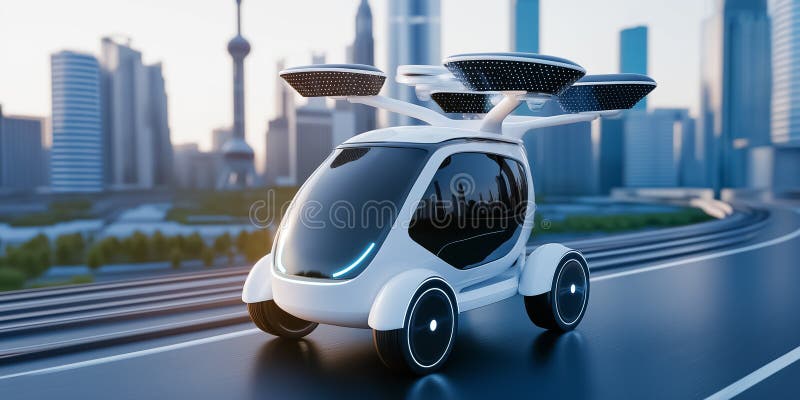
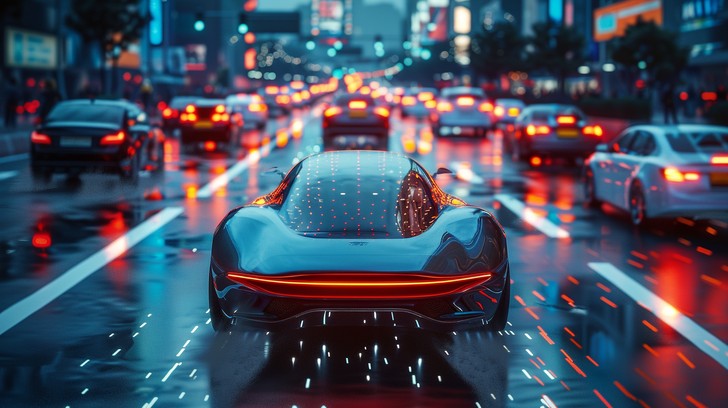
Autonomous driving is rapidly changing the landscape of modern transportation. With advancements in artificial intelligence, sensor technology, and machine learning, self-driving cars are no longer a distant dream but an emerging reality. This innovative technology promises to enhance road safety, reduce traffic congestion, and provide greater mobility for all. In this article, we delve into the world of autonomous driving, exploring its benefits, challenges, and the latest developments shaping this revolutionary field.
The Impact of Autonomous Driving on Road Safety and Efficiency
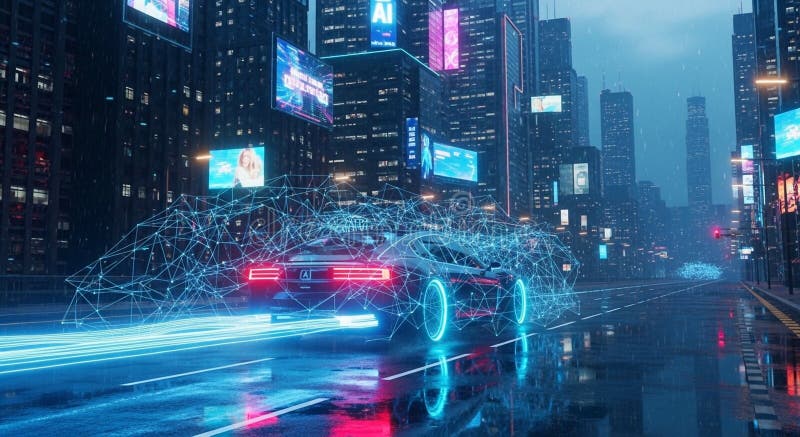
One of the most significant advantages of autonomous driving is its potential to drastically improve road safety. Human error is responsible for the vast majority of traffic accidents, including distracted driving, fatigue, and impaired judgment. Autonomous vehicles (AVs) utilize advanced sensors, cameras, and real-time data processing to detect hazards and react faster than human drivers. This capability can significantly reduce accidents, injuries, and fatalities on the road.
Moreover, autonomous driving can enhance traffic efficiency by optimizing driving patterns and reducing congestion. Self-driving cars communicate with each other and traffic management systems to maintain optimal speeds and safe distances, minimizing stop-and-go traffic and improving fuel efficiency. This interconnectedness also allows for better route planning, reducing travel time and environmental impact.
Technological Foundations of Autonomous Vehicles
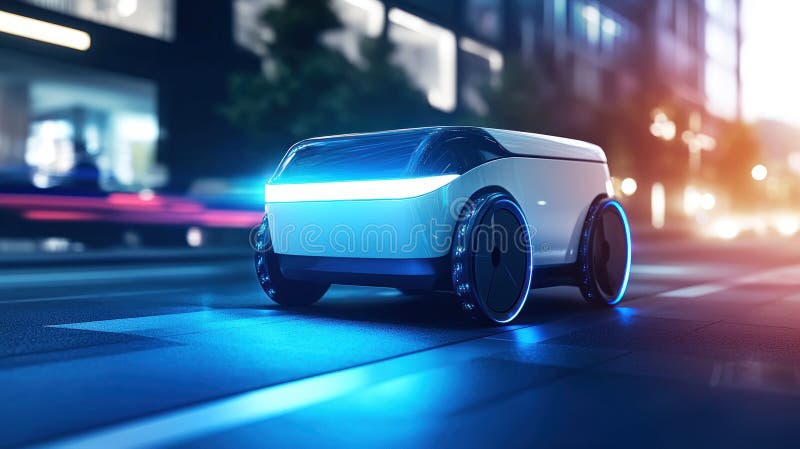
The core technology behind autonomous driving includes a combination of hardware and software components working seamlessly together. Key elements include:
– **Sensors and Cameras:** These devices provide a 360-degree view of the vehicle’s surroundings, detecting obstacles, pedestrians, and other vehicles.
– **Lidar and Radar:** These technologies help measure distances and create detailed maps of the environment, even in poor visibility conditions.
– **Artificial Intelligence and Machine Learning:** AI algorithms process vast amounts of data to make real-time decisions, such as braking, accelerating, and steering.
– **Connectivity:** Vehicle-to-vehicle (V2V) and vehicle-to-infrastructure (V2I) communication enable AVs to share information and coordinate movements.
Together, these technologies enable autonomous vehicles to navigate complex environments safely and efficiently.
Challenges Facing Autonomous Driving Adoption

Despite the promising benefits, several challenges must be addressed before autonomous driving becomes mainstream. Regulatory frameworks are still evolving, with governments working to establish safety standards and liability rules. Public acceptance is another hurdle, as many people remain skeptical about trusting machines to control vehicles.
Technical challenges also persist, such as ensuring reliable performance in diverse weather conditions and complex urban environments. Cybersecurity is a critical concern, as connected vehicles are vulnerable to hacking and data breaches. Additionally, the transition period where autonomous and human-driven vehicles share the road requires careful management to prevent accidents and confusion.
Current Trends and Future Outlook
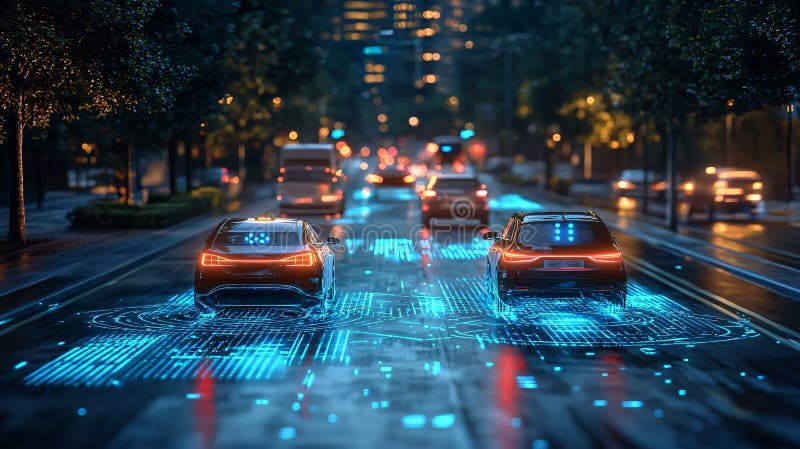
The autonomous driving industry is witnessing rapid growth, with many companies investing heavily in research and development. Major automakers, tech giants, and startups are collaborating to bring fully autonomous vehicles to market. Pilot programs and testing are underway in various cities worldwide, providing valuable data and insights.
Looking ahead, autonomous driving is expected to integrate with other emerging technologies like electric vehicles and smart city infrastructure. This convergence will create a more sustainable, efficient, and accessible transportation ecosystem. As the technology matures, we can anticipate widespread adoption that will transform how we commute, deliver goods, and travel long distances.
Conclusion
Autonomous driving represents a groundbreaking shift in transportation, offering unparalleled benefits in safety, efficiency, and convenience. While challenges remain, ongoing technological advancements and regulatory progress are paving the way for a future where self-driving cars become an everyday reality. Embracing autonomous driving today means stepping into a smarter, safer, and more connected world. Stay informed and be part of the revolution—explore the latest in autonomous driving technology and discover how it can enhance your journey.