Solid-State Battery: The Future of Energy Storage
What is a Solid-State Battery?
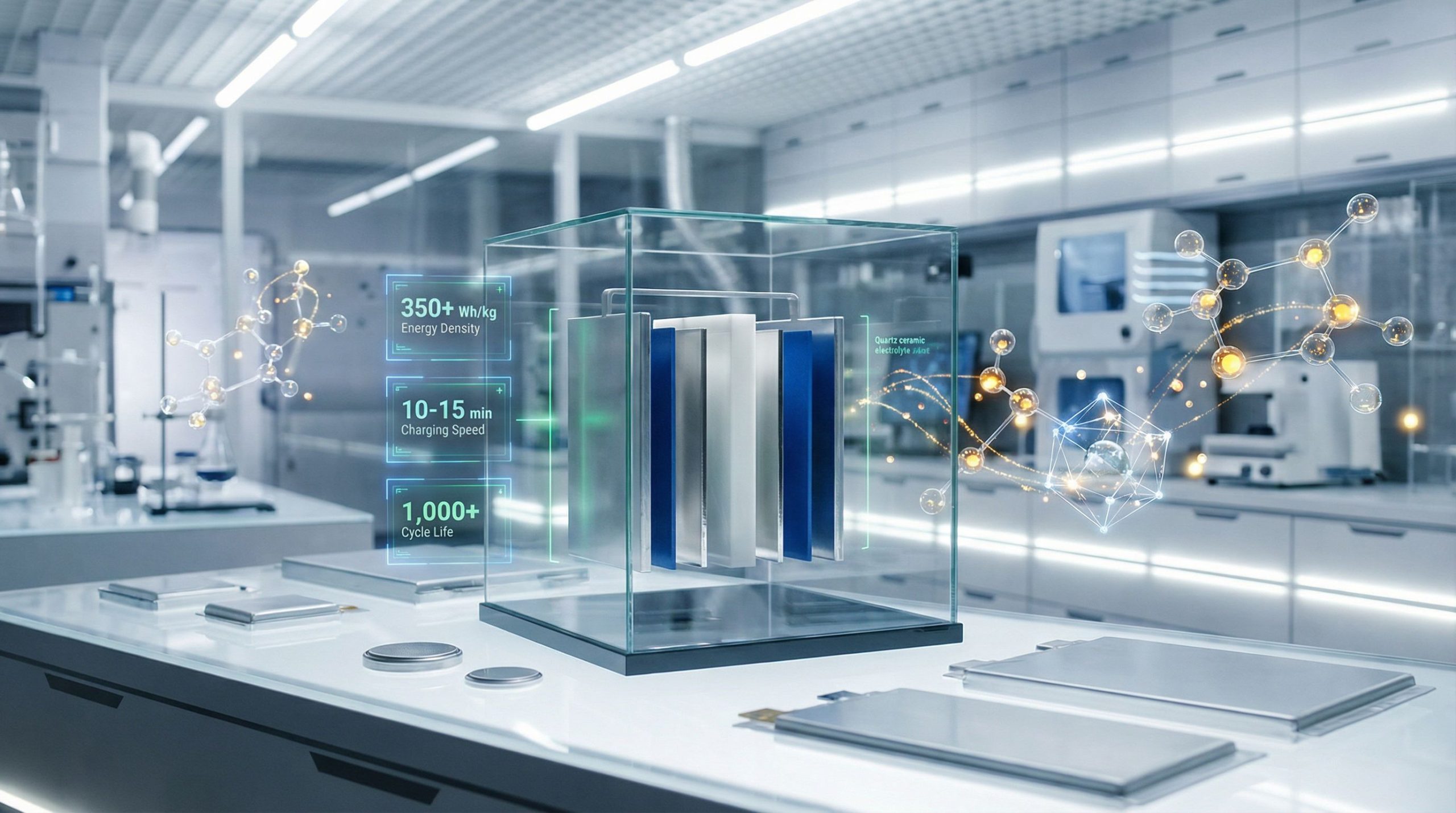
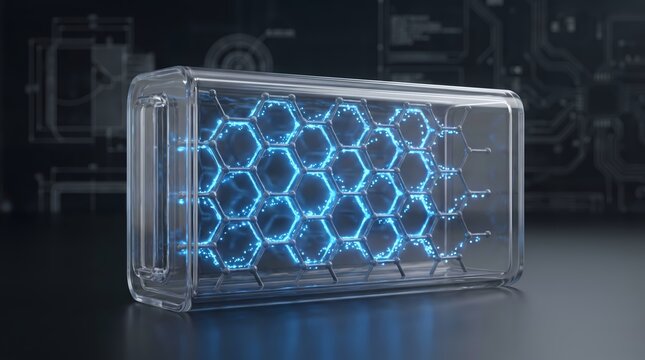
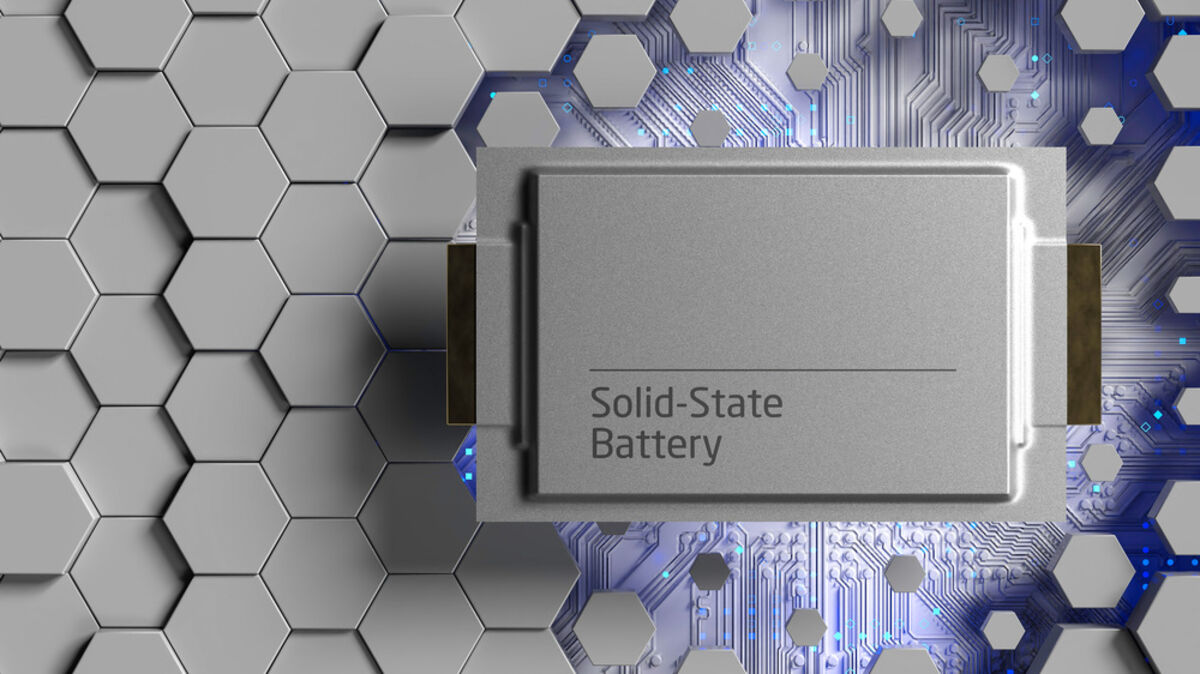
A solid-state battery is an advanced type of energy storage device that replaces the liquid or gel electrolyte found in traditional lithium-ion batteries with a solid electrolyte. This innovation offers significant advantages in terms of safety, energy density, and durability. Unlike conventional batteries that use flammable liquid electrolytes, solid-state batteries employ solid materials such as ceramics, glass, or sulfides to conduct ions between the anode and cathode. This fundamental change in design reduces the risk of leaks, fires, and thermal runaway, making solid-state batteries a safer and more reliable option for a wide range of applications.
Key Components and Working Principle

The main components of a solid-state battery include the anode, cathode, and solid electrolyte. The anode typically consists of lithium metal or other materials capable of storing lithium ions, while the cathode is made from lithium metal oxides or similar compounds. The solid electrolyte facilitates the movement of lithium ions during charging and discharging cycles without the need for liquid solvents. When the battery charges, lithium ions move from the cathode through the solid electrolyte to the anode. During discharge, the ions travel back to the cathode, generating electrical energy to power devices.
Advantages of Solid-State Batteries
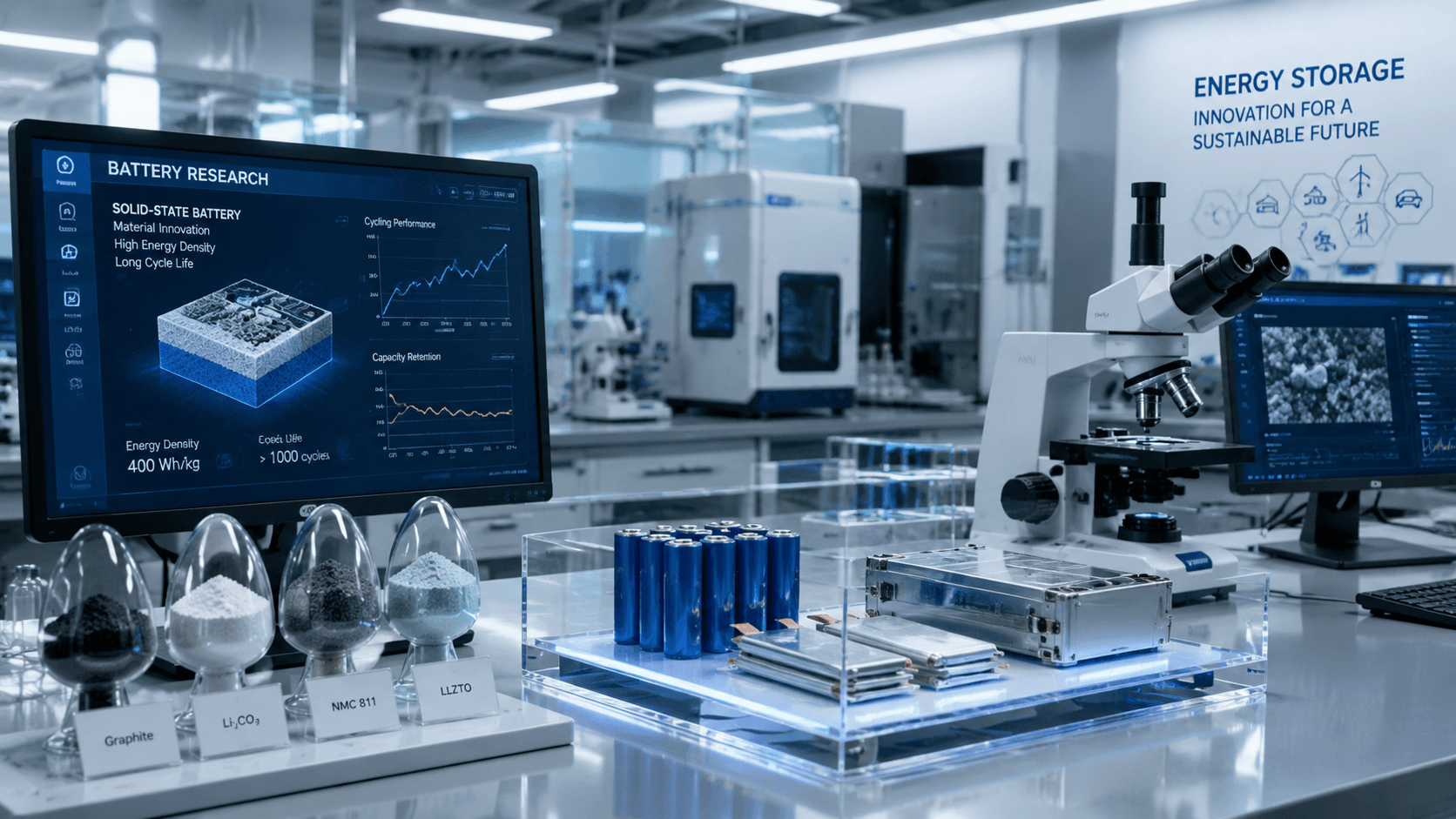
Solid-state batteries offer several compelling benefits over traditional lithium-ion batteries, making them a promising technology for future energy storage solutions.
1. **Higher Energy Density:** By using lithium metal anodes and solid electrolytes, solid-state batteries can store more energy in the same volume, leading to longer-lasting batteries for electric vehicles (EVs) and portable electronics.
2. **Enhanced Safety:** The solid electrolyte is non-flammable and more stable under extreme conditions, significantly reducing the risk of battery fires and explosions.
3. **Longer Lifespan:** Solid-state batteries experience less degradation over time, resulting in more charge cycles and extended battery life.
4. **Faster Charging:** The improved ionic conductivity of solid electrolytes allows for quicker charging times without compromising battery health.
5. **Wider Operating Temperature Range:** These batteries perform better in both high and low temperatures, expanding their usability in diverse environments.
Challenges and Current Developments

Despite their advantages, solid-state batteries face several technical and manufacturing challenges that have slowed widespread adoption. Producing solid electrolytes with high ionic conductivity and mechanical stability remains complex and costly. Additionally, ensuring strong interfaces between the solid electrolyte and electrodes is critical to prevent performance loss.
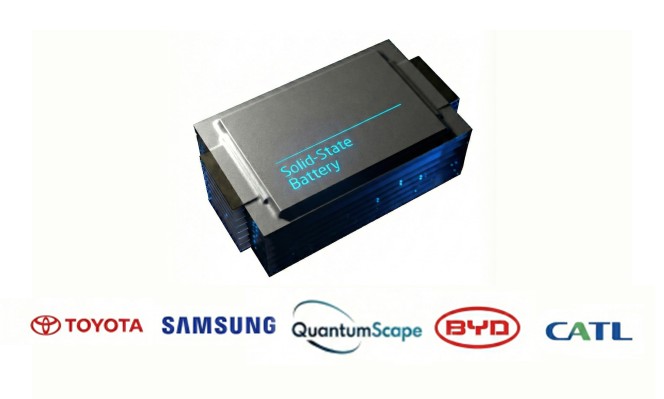
Researchers and companies worldwide are actively working to overcome these obstacles. Innovations in materials science, such as sulfide-based and oxide-based electrolytes, are showing promising results. Major automakers and tech firms are investing heavily in solid-state battery research, aiming to commercialize this technology within the next few years.
Applications of Solid-State Batteries
The superior performance and safety features of solid-state batteries make them ideal for various applications:
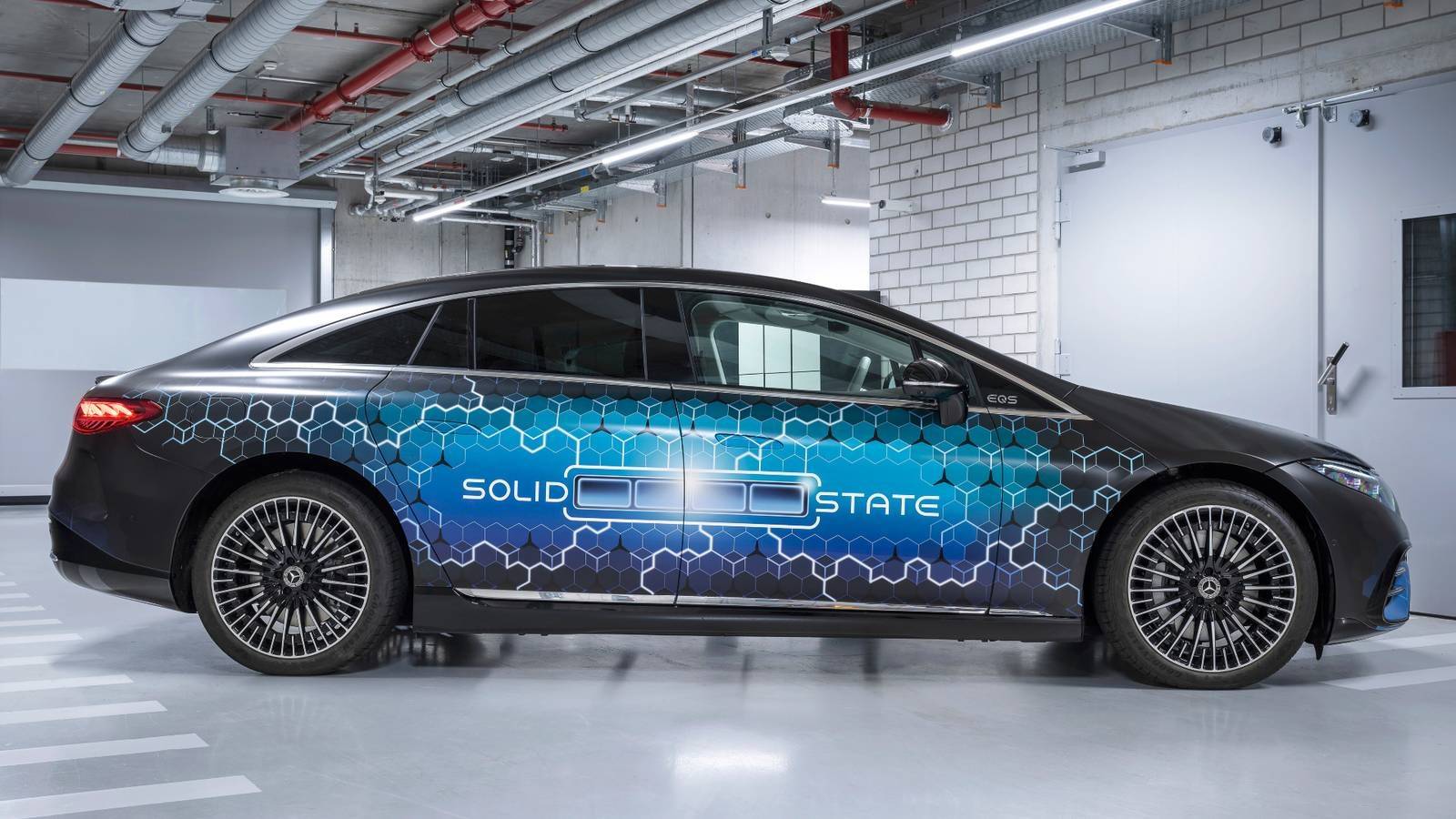
– **Electric Vehicles:** Solid-state batteries can significantly extend driving range, reduce charging times, and improve safety, addressing key consumer concerns about EVs.
– **Consumer Electronics:** Smartphones, laptops, and wearable devices benefit from longer battery life and enhanced safety.
– **Grid Storage:** Their durability and efficiency make solid-state batteries suitable for renewable energy storage and grid stabilization.
– **Aerospace and Defense:** The lightweight and robust nature of solid-state batteries supports advanced aerospace technologies and military equipment.
Future Outlook

The future of solid-state battery technology looks promising as ongoing research continues to address existing challenges. With advancements in manufacturing techniques and material innovations, solid-state batteries are expected to become more affordable and widely available. This breakthrough technology has the potential to revolutionize energy storage, enabling cleaner transportation, smarter electronics, and more resilient power systems.
Conclusion
Solid-state batteries represent a transformative leap in battery technology, offering higher energy density, improved safety, and longer lifespan compared to traditional lithium-ion batteries. As research and development efforts accelerate, these batteries are poised to play a pivotal role in the future of electric vehicles, consumer electronics, and renewable energy storage. If you want to stay ahead in the rapidly evolving world of energy technology, exploring solid-state battery solutions is essential. Contact us today to learn more about how solid-state batteries can power your next innovation!