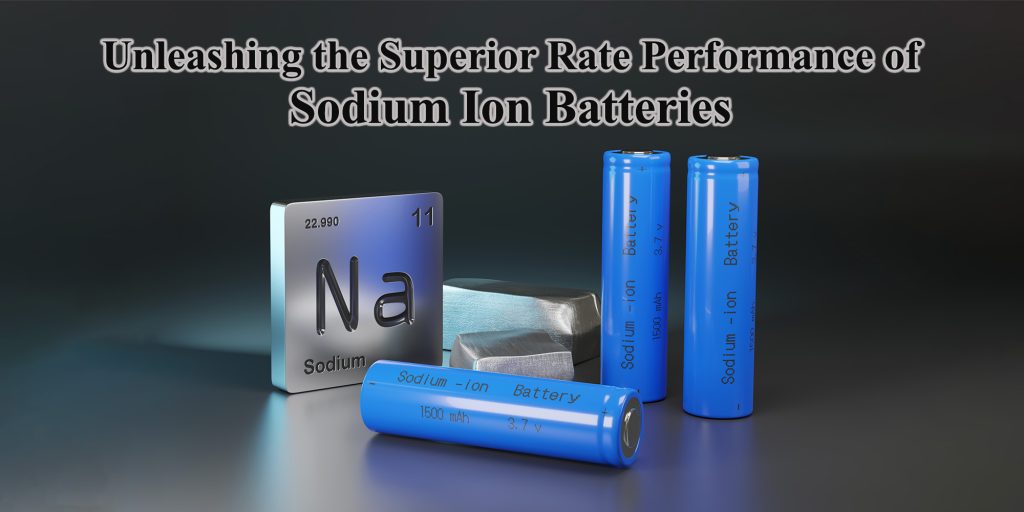
Sodium-ion Battery: The Future of Sustainable Energy Storage
Understanding Sodium-ion Battery Technology

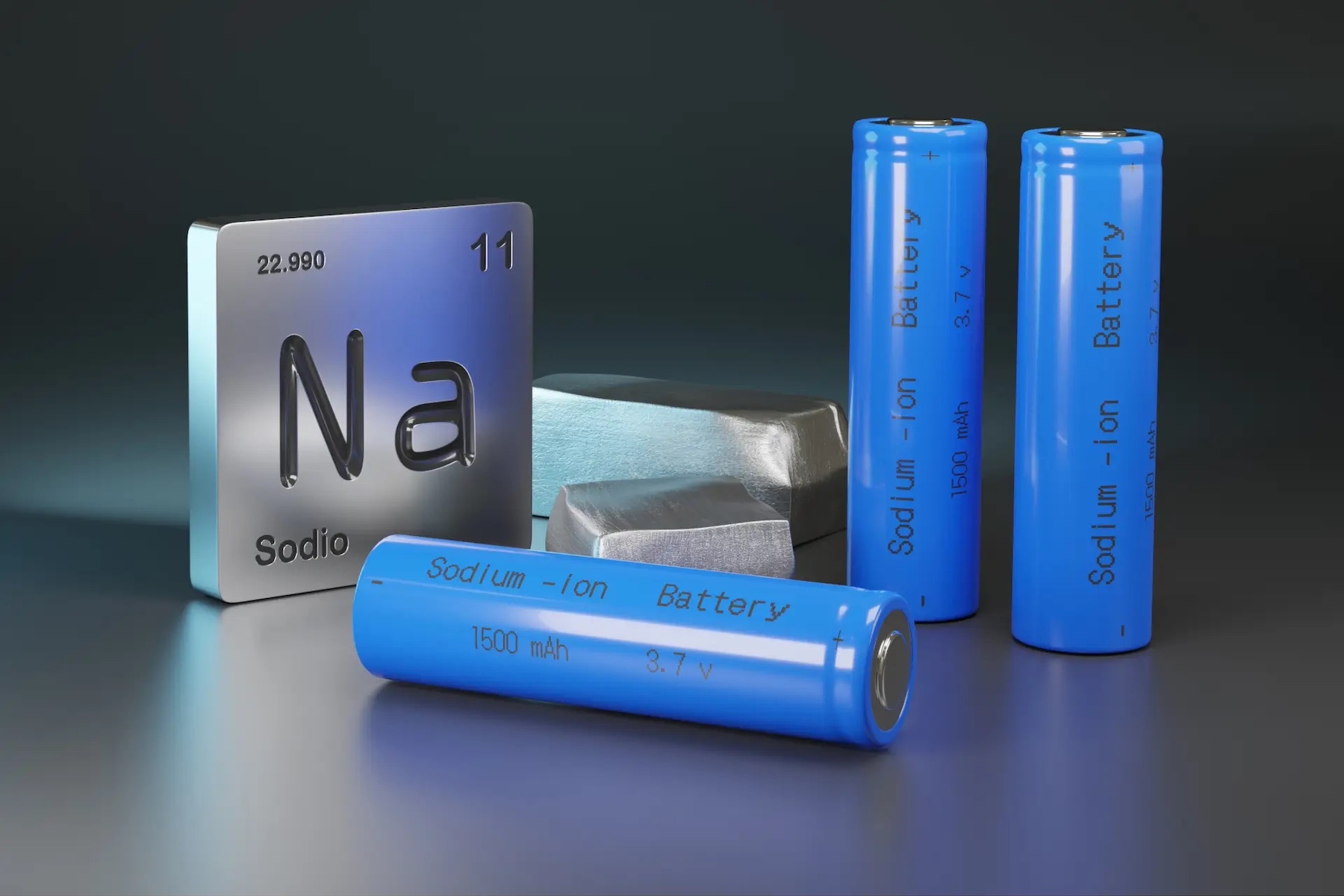
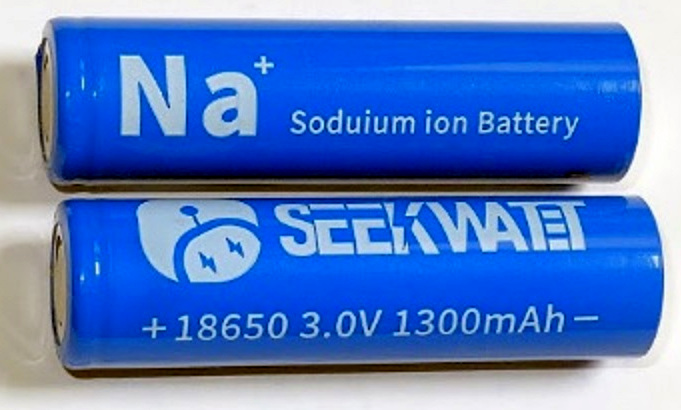
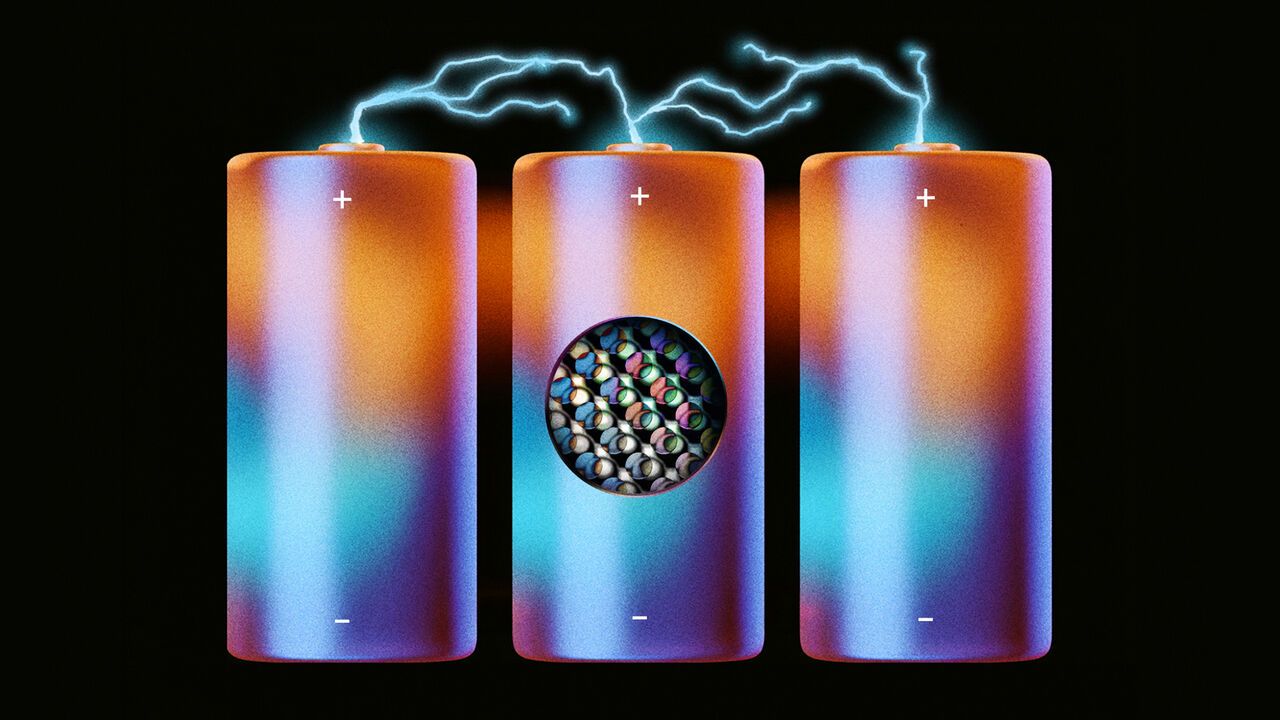
Sodium-ion batteries have emerged as a promising alternative to the widely used lithium-ion batteries, especially in the quest for sustainable and affordable energy storage solutions. Unlike lithium, sodium is abundant and widely available, making sodium-ion batteries a more cost-effective option for large-scale applications. This technology operates on the same fundamental principle as lithium-ion batteries, where sodium ions move between the anode and cathode during charging and discharging cycles.
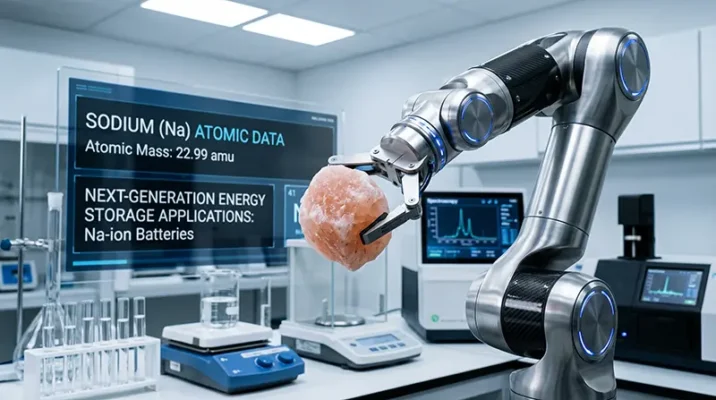
The key advantage of sodium-ion batteries lies in the raw material availability. Sodium is the sixth most abundant element on Earth, found in seawater and common salt deposits, which significantly reduces the dependency on scarce lithium resources. This abundance translates into lower material costs and potentially less environmental impact during extraction and processing.
How Sodium-ion Batteries Work
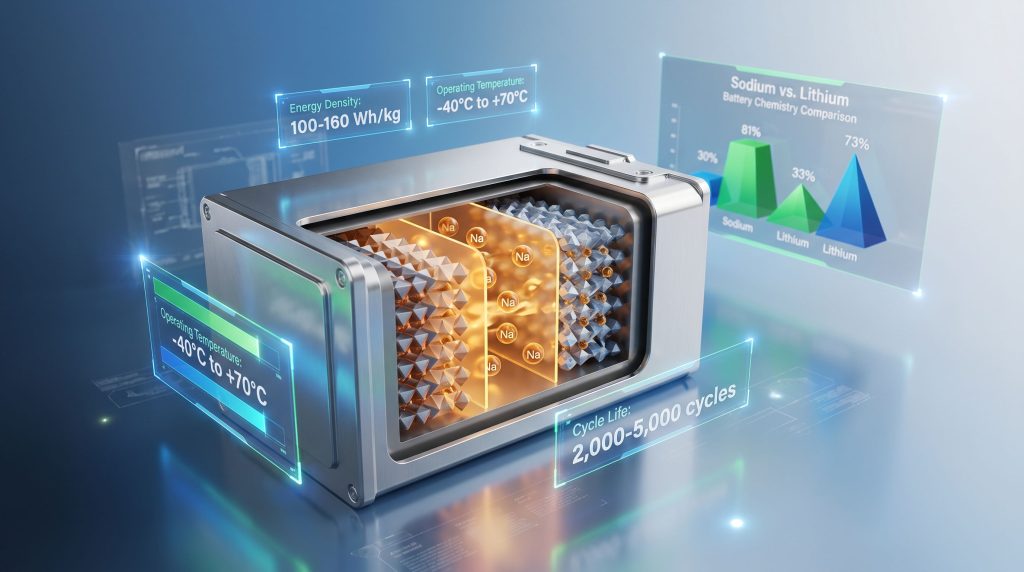
Sodium-ion batteries function by shuttling sodium ions between two electrodes through an electrolyte. During discharge, sodium ions move from the anode to the cathode, releasing energy that powers devices. When charging, the ions return to the anode, storing energy for future use. The electrodes are typically made from materials that can accommodate the larger size of sodium ions compared to lithium ions, such as layered oxides or hard carbon.
Despite the similarities to lithium-ion batteries, sodium-ion technology faces challenges related to energy density and cycle life. Sodium ions are larger and heavier than lithium ions, which can lead to lower energy density and faster degradation of battery components. However, ongoing research and development are addressing these issues, improving battery performance and longevity.
Advantages of Sodium-ion Batteries Over Lithium-ion Batteries
One of the most significant benefits of sodium-ion batteries is their cost-effectiveness. The widespread availability of sodium means that raw material costs are substantially lower than those for lithium, cobalt, or nickel, which are commonly used in lithium-ion batteries. This cost advantage is particularly important for applications requiring large-scale energy storage, such as grid storage for renewable energy sources like solar and wind.
Additionally, sodium-ion batteries offer enhanced safety features. They are less prone to thermal runaway and overheating, reducing the risk of fires and explosions. This makes them a safer choice for electric vehicles and stationary energy storage systems.
Environmental sustainability is another critical advantage. The extraction and processing of sodium have a lower environmental footprint compared to lithium mining, which often involves significant ecological disruption and water consumption. Sodium-ion batteries also have the potential for easier recycling due to the simpler chemistry involved.
Applications of Sodium-ion Batteries
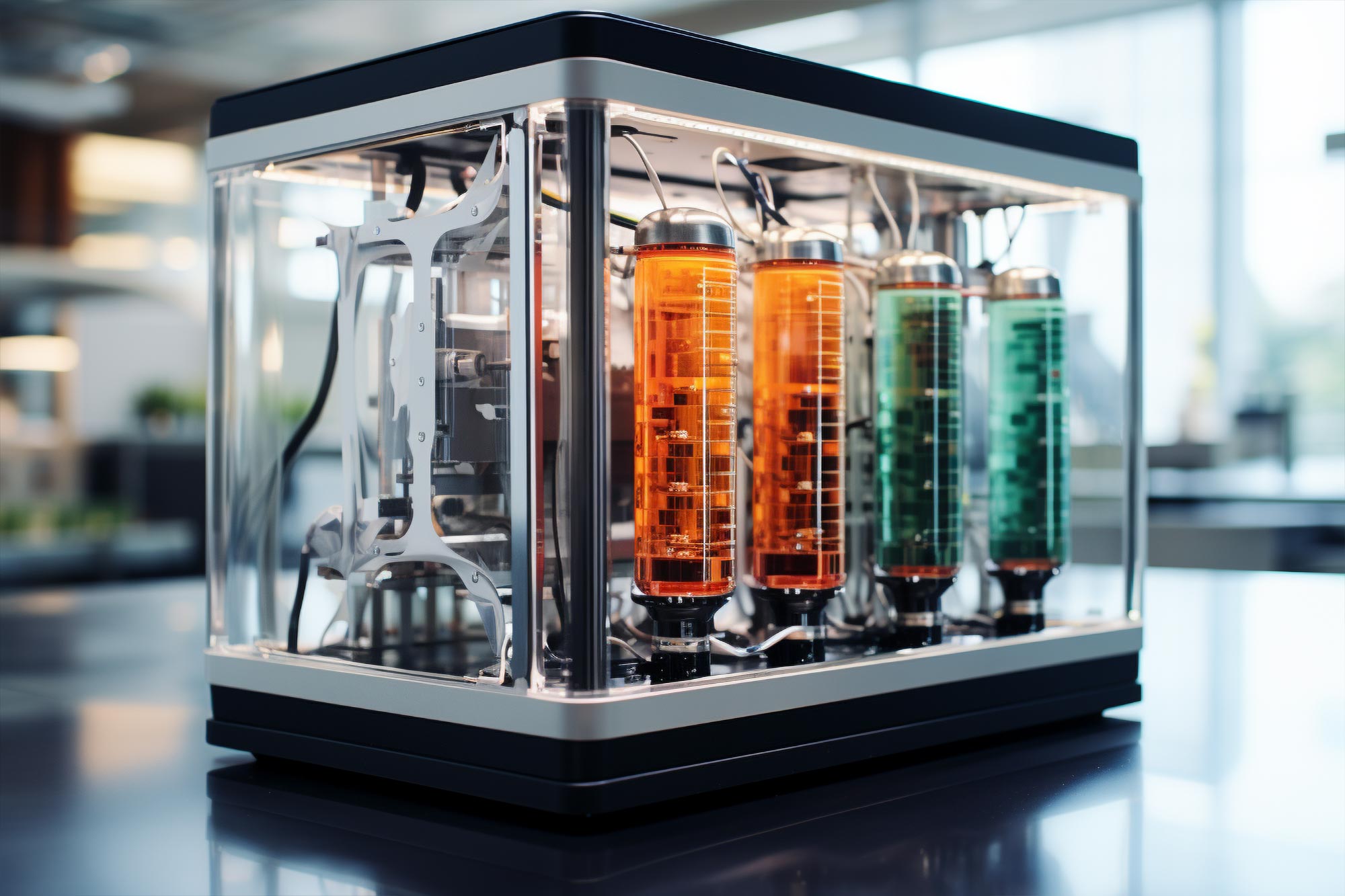
Sodium-ion batteries are gaining traction in various sectors. In renewable energy, they provide a reliable and cost-effective solution for storing intermittent energy generated by solar panels and wind turbines. Their scalability and lower cost make them ideal for grid-level energy storage, helping to stabilize power supply and reduce reliance on fossil fuels.
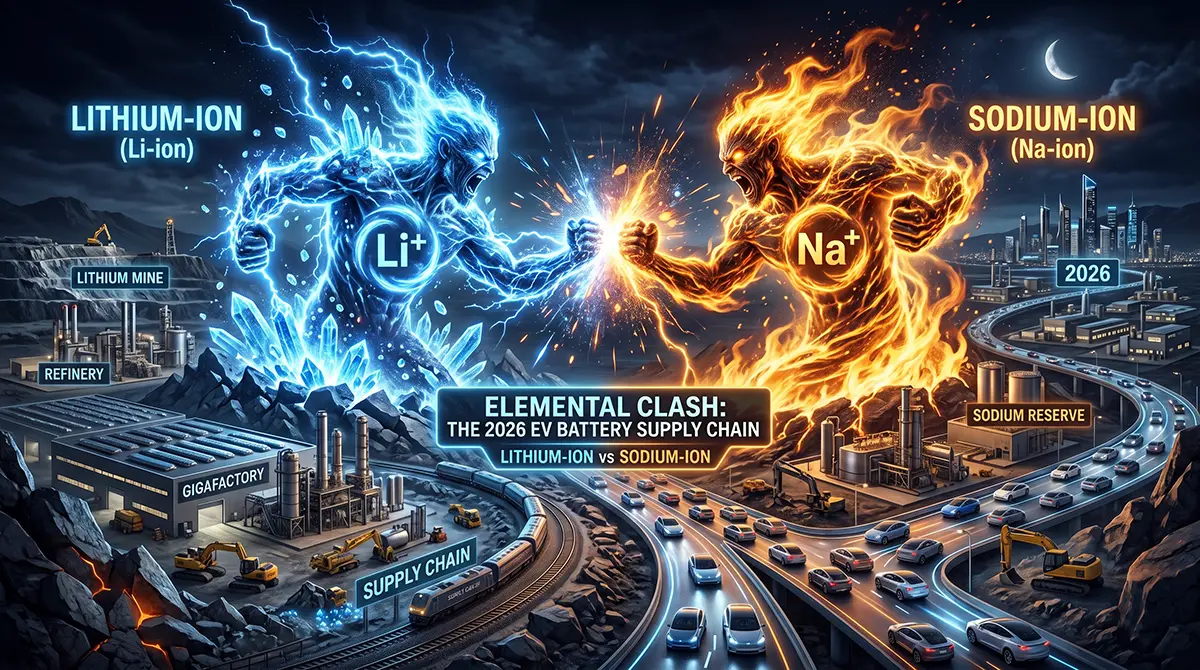
In the automotive industry, sodium-ion batteries are being explored as an alternative for electric vehicles (EVs). While lithium-ion batteries currently dominate the EV market, sodium-ion batteries could offer a more affordable option for entry-level electric cars, especially in regions where lithium supply is limited or expensive.
Other applications include portable electronics, backup power systems, and smart grids. As the technology matures, it is expected that sodium-ion batteries will become more competitive in terms of energy density and cycle life, expanding their usability across various industries.
Challenges and Future Prospects of Sodium-ion Battery Technology
Despite their promising advantages, sodium-ion batteries face several technical challenges. The larger ionic radius of sodium compared to lithium results in slower ion diffusion and lower energy density. Researchers are actively working on developing new electrode materials and electrolytes to overcome these limitations.
Another challenge is the cycle stability of sodium-ion batteries. Prolonged charging and discharging can cause structural changes in the electrodes, leading to capacity fading over time. Innovations in material science and battery design are crucial to improving the durability and performance of sodium-ion batteries.
Looking ahead, the future of sodium-ion battery technology appears bright. With increasing demand for sustainable and affordable energy storage, investments in research and development are accelerating. Collaborations between academia, industry, and government agencies are fostering advancements that could soon make sodium-ion batteries a mainstream energy storage solution.
Recent Developments and Innovations
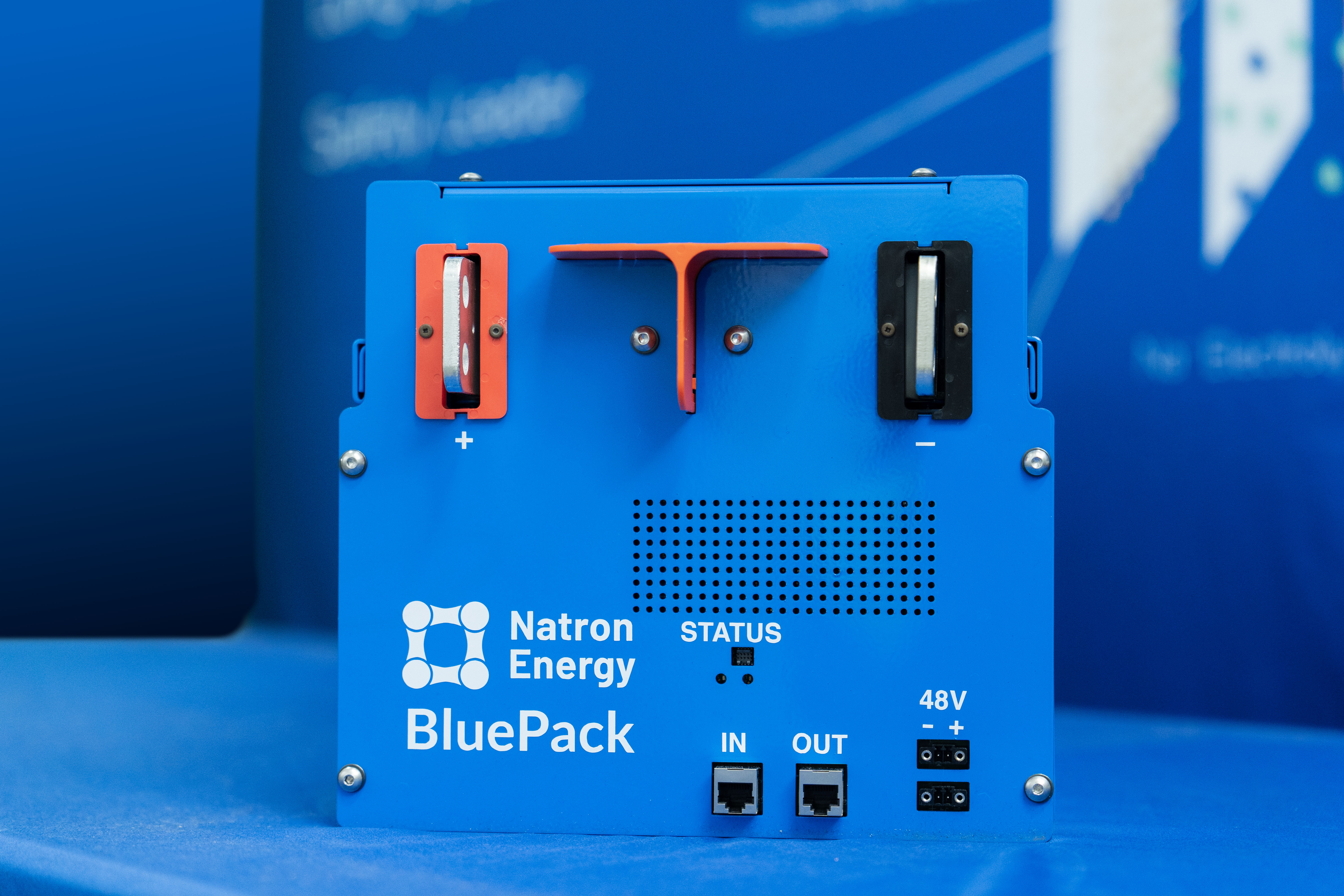
Recent breakthroughs include the development of novel cathode materials that enhance energy density and cycle life. Researchers have also made progress in electrolyte formulations that improve ionic conductivity and battery safety. Pilot projects and commercial prototypes are already demonstrating the viability of sodium-ion batteries in real-world applications.
Moreover, the integration of sodium-ion batteries with renewable energy systems is gaining momentum, supported by favorable policies and incentives aimed at reducing carbon emissions and promoting clean energy technologies.
Conclusion
Sodium-ion batteries represent a transformative step toward sustainable and cost-effective energy storage. Their abundant raw materials, safety advantages, and environmental benefits position them as a strong contender to complement or even replace lithium-ion batteries in various applications. While challenges remain, ongoing research and technological advancements are rapidly closing the performance gap.
For businesses and consumers looking to invest in future-proof energy solutions, keeping an eye on sodium-ion battery developments is essential. Embrace the future of energy storage by exploring sodium-ion battery options today and contribute to a greener, more sustainable world. Contact us to learn more about how sodium-ion battery technology can power your next project.