Silicon-Carbon Battery: The Future of Energy Storage
What is a Silicon-Carbon Battery?

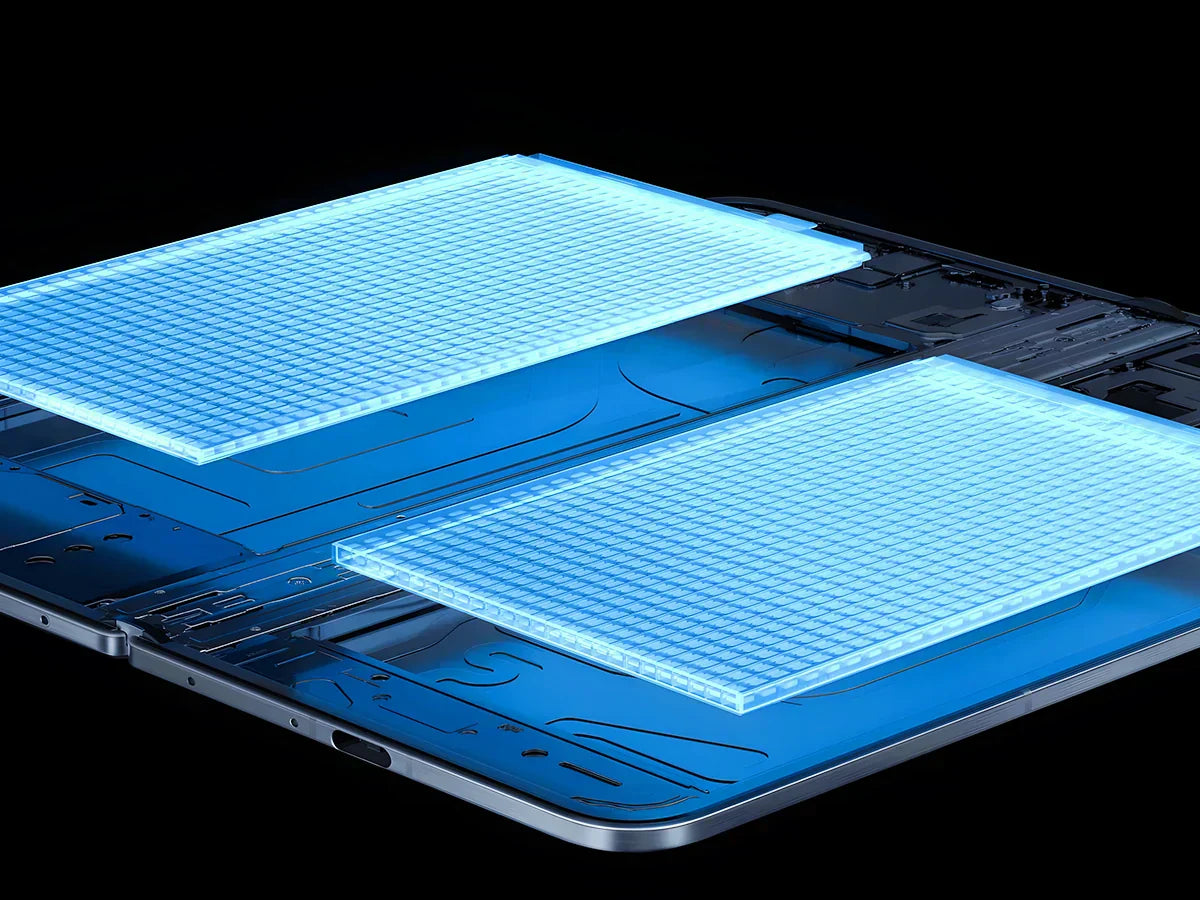
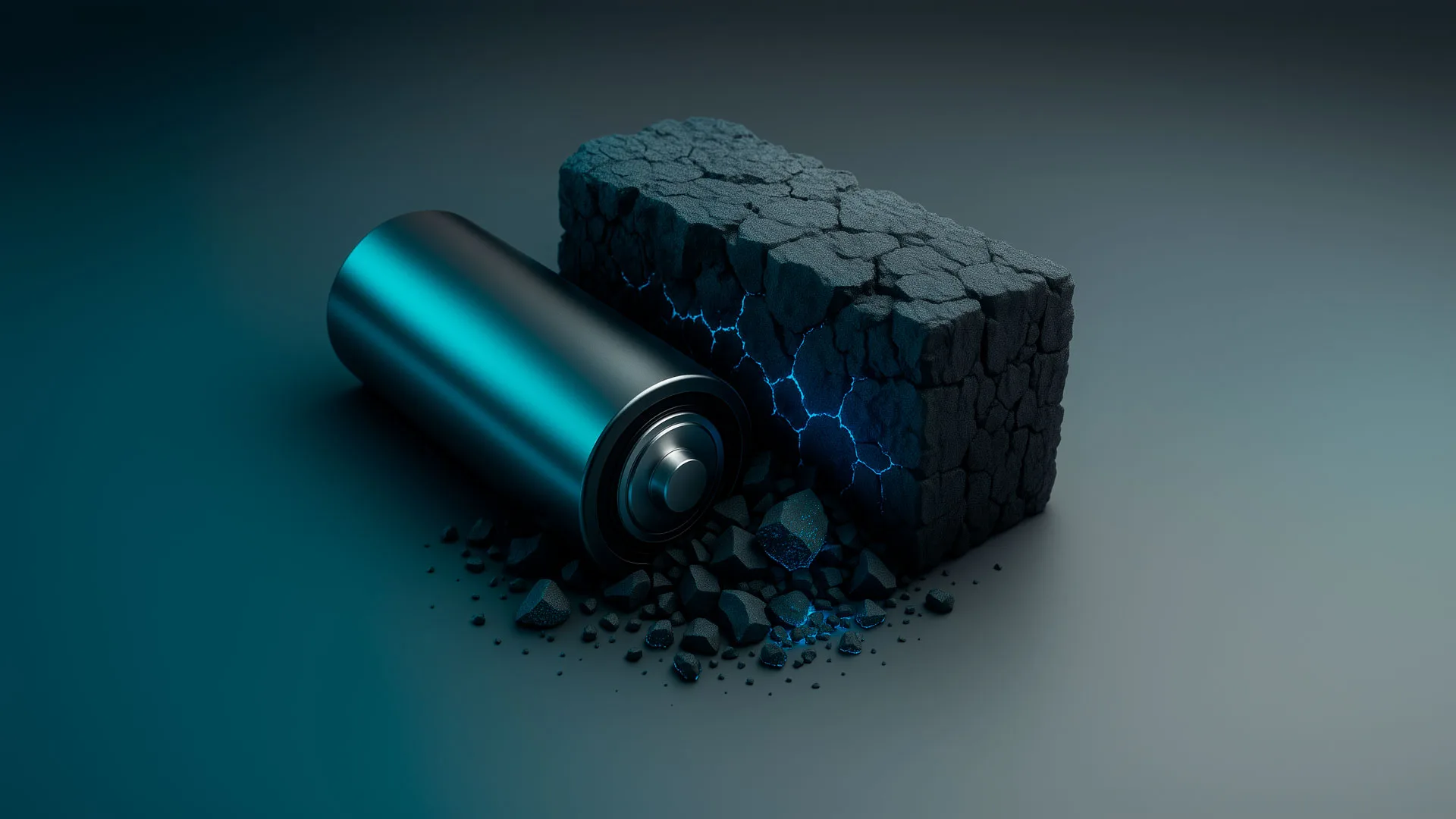
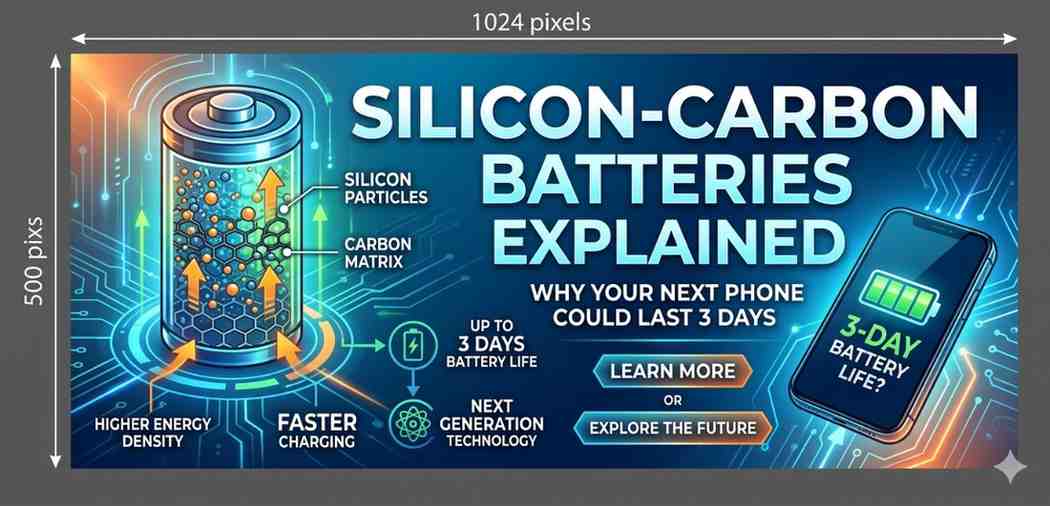
Silicon-carbon batteries represent a groundbreaking advancement in the field of energy storage. By integrating silicon into the carbon-based anode of traditional lithium-ion batteries, these batteries offer significantly enhanced capacity and efficiency. Silicon has a much higher theoretical capacity compared to graphite, the conventional anode material, enabling silicon-carbon batteries to store more energy in the same volume.
The silicon-carbon composite anode addresses the challenges associated with pure silicon anodes, such as volume expansion and mechanical degradation during charge-discharge cycles. By combining silicon with carbon, the battery achieves improved structural stability, longer cycle life, and better overall performance.
How Silicon-Carbon Batteries Work
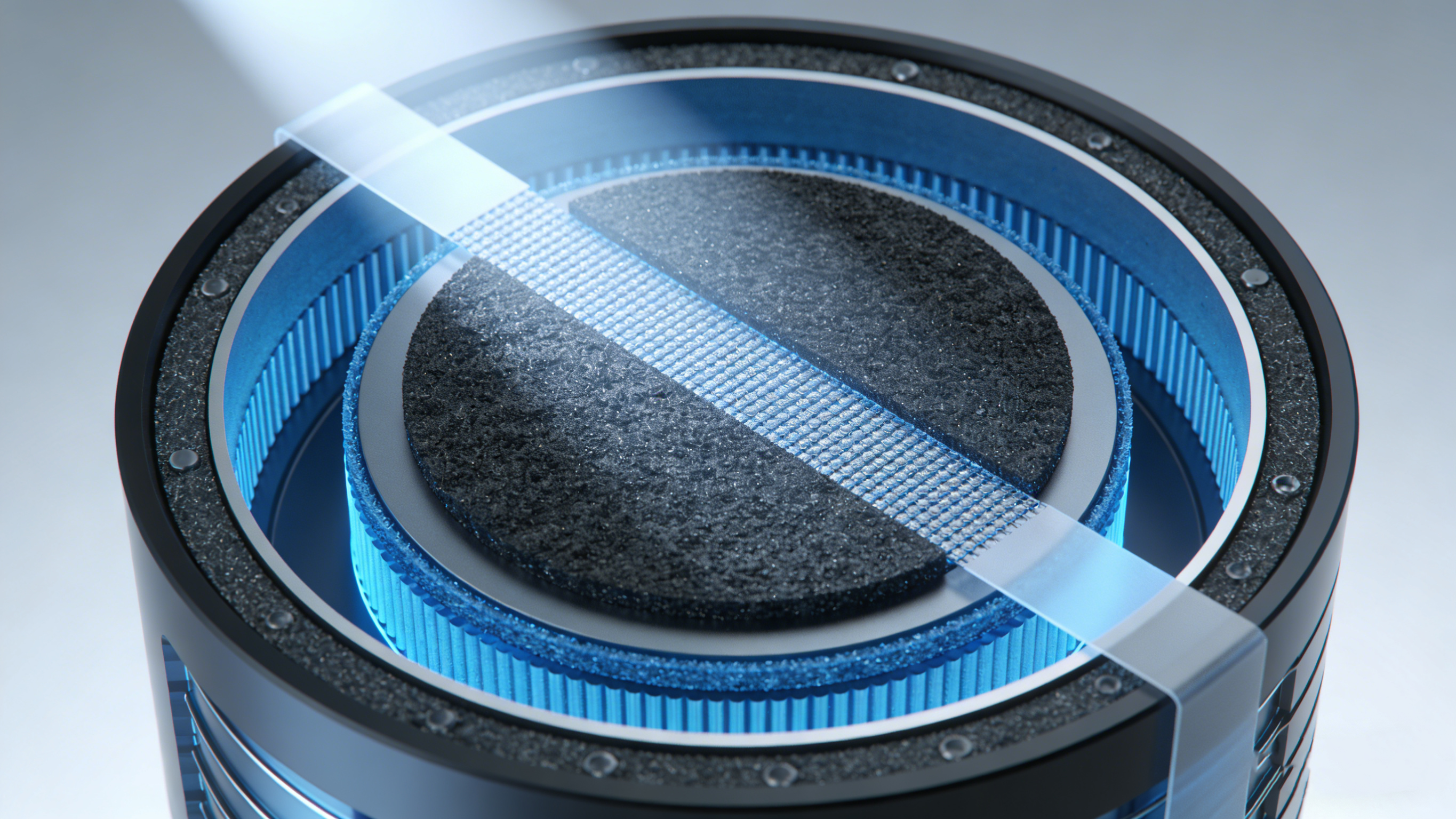
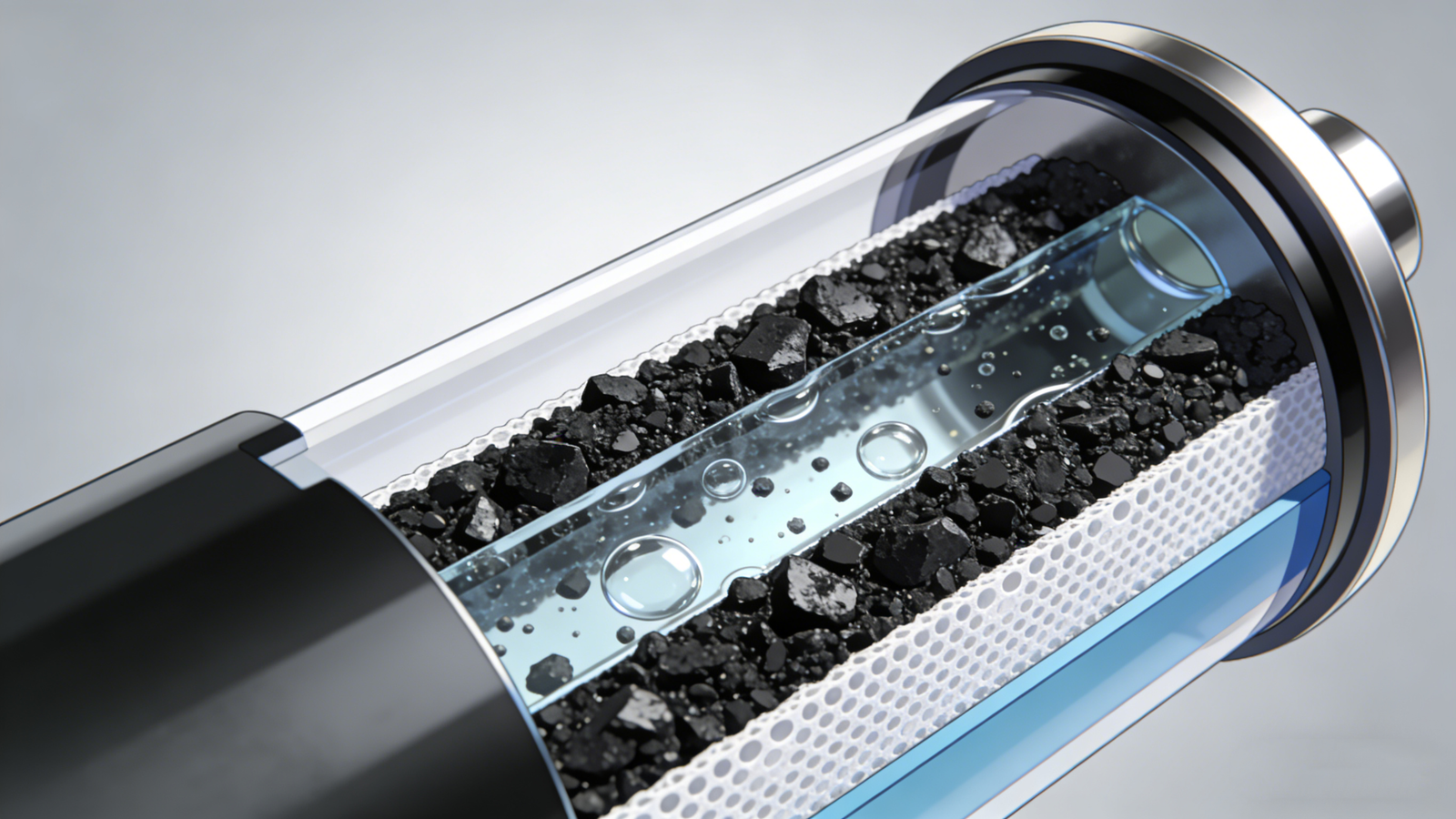
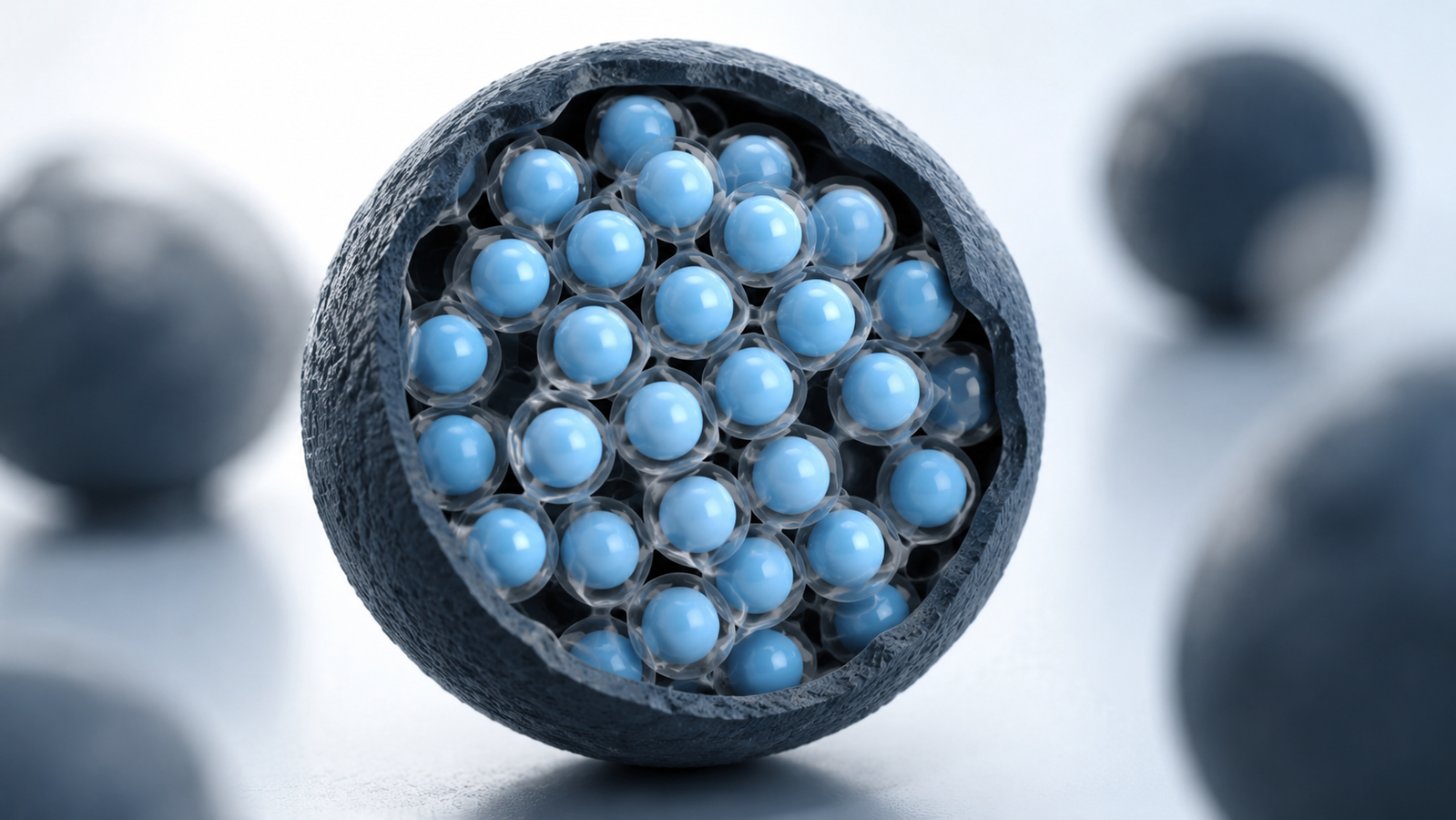
In a silicon-carbon battery, the anode is composed of a composite material where silicon nanoparticles are embedded within a carbon matrix. During charging, lithium ions move from the cathode and intercalate into the silicon-carbon anode. Silicon’s high lithium storage capacity allows for more lithium ions to be accommodated, increasing the battery’s energy density.
The carbon matrix plays a crucial role by providing electrical conductivity and buffering the volume changes in silicon as lithium ions are inserted and extracted. This synergy helps maintain the integrity of the anode, preventing cracking and capacity loss over multiple cycles.
Advantages of Silicon-Carbon Batteries

Silicon-carbon batteries offer several compelling benefits over traditional lithium-ion batteries:
1. **Higher Energy Density:** Silicon can theoretically store up to ten times more lithium ions than graphite, leading to batteries with significantly greater energy capacity. This translates to longer-lasting batteries for electric vehicles and portable devices.
2. **Improved Cycle Life:** The carbon matrix in the composite anode mitigates silicon’s volume expansion, reducing mechanical stress and prolonging battery lifespan.
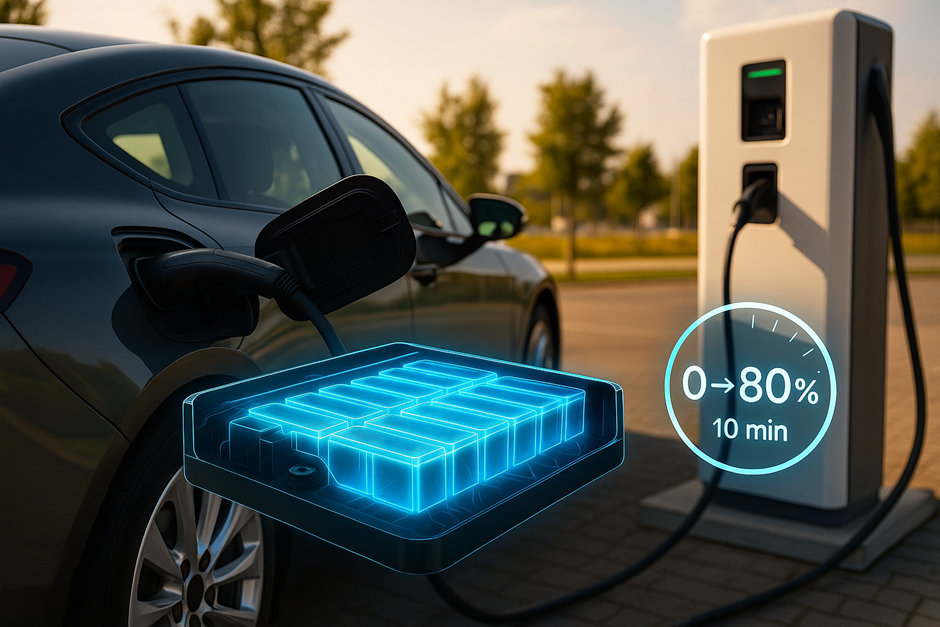
3. **Faster Charging:** Enhanced lithium-ion diffusion in the silicon-carbon anode allows for quicker charging times without compromising battery health.
4. **Lightweight and Compact:** With higher energy density, silicon-carbon batteries can be made smaller and lighter, benefiting applications where space and weight are critical.
Applications of Silicon-Carbon Battery Technology
The superior performance of silicon-carbon batteries makes them ideal for a variety of applications:
– **Electric Vehicles (EVs):** Longer driving ranges and shorter charging times are crucial for EV adoption. Silicon-carbon batteries can help meet these demands by providing higher capacity and durability.
– **Consumer Electronics:** Smartphones, laptops, and wearable devices benefit from longer battery life and faster charging enabled by silicon-carbon technology.
– **Renewable Energy Storage:** Efficient and durable batteries are essential for storing energy from solar and wind sources. Silicon-carbon batteries can enhance the reliability and capacity of these storage systems.
Challenges and Future Outlook
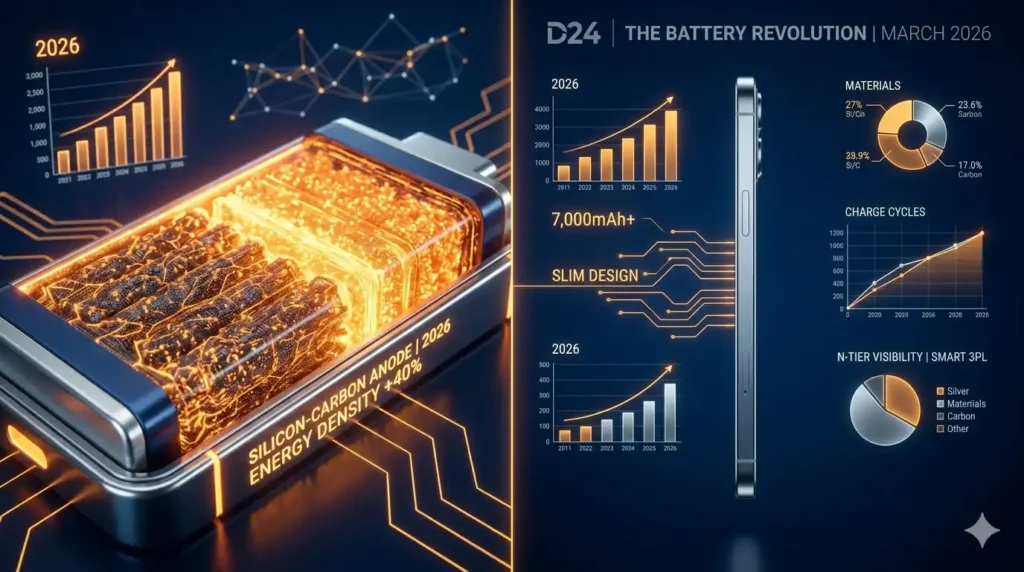
Despite their advantages, silicon-carbon batteries face challenges that researchers are actively addressing. The main hurdle is managing silicon’s volume expansion during cycling, which can still cause degradation over extended use. Advances in material engineering, such as novel silicon nanostructures and improved carbon composites, are helping to overcome these issues.
Manufacturing scalability and cost are also considerations. As production techniques improve and economies of scale are achieved, silicon-carbon batteries are expected to become more affordable and widely available.
The future of silicon-carbon batteries looks promising, with ongoing research and development paving the way for their integration into mainstream energy storage solutions.
Conclusion
Silicon-carbon batteries are poised to revolutionize the energy storage landscape by offering higher energy density, improved durability, and faster charging capabilities. Their potential to enhance electric vehicles, consumer electronics, and renewable energy systems makes them a critical technology for the future. As research continues to overcome current challenges, silicon-carbon batteries will likely become a standard in next-generation battery technology.
If you’re interested in staying ahead with the latest in battery innovations, explore silicon-carbon battery solutions today and power your devices with cutting-edge energy storage technology!