Home charging
Comprehensive Guide to Home Charging for Electric Vehicles
Understanding the Benefits of Home Charging
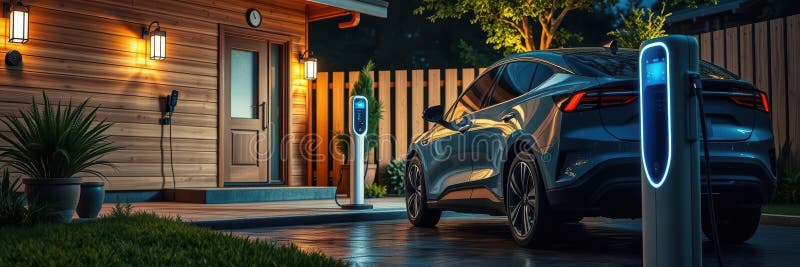
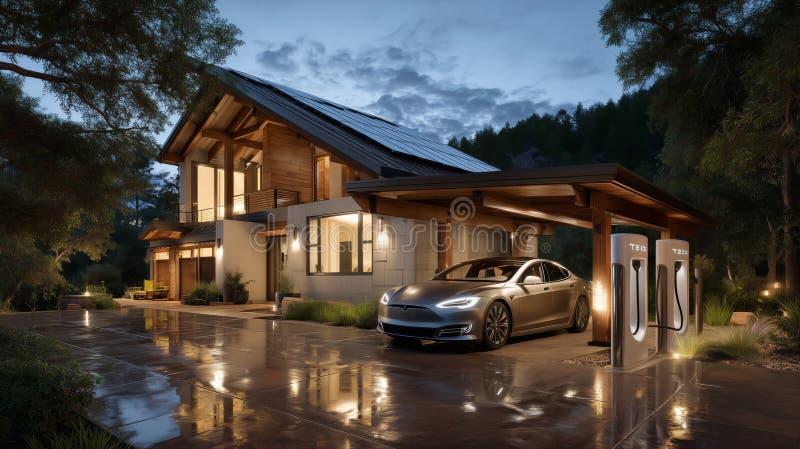
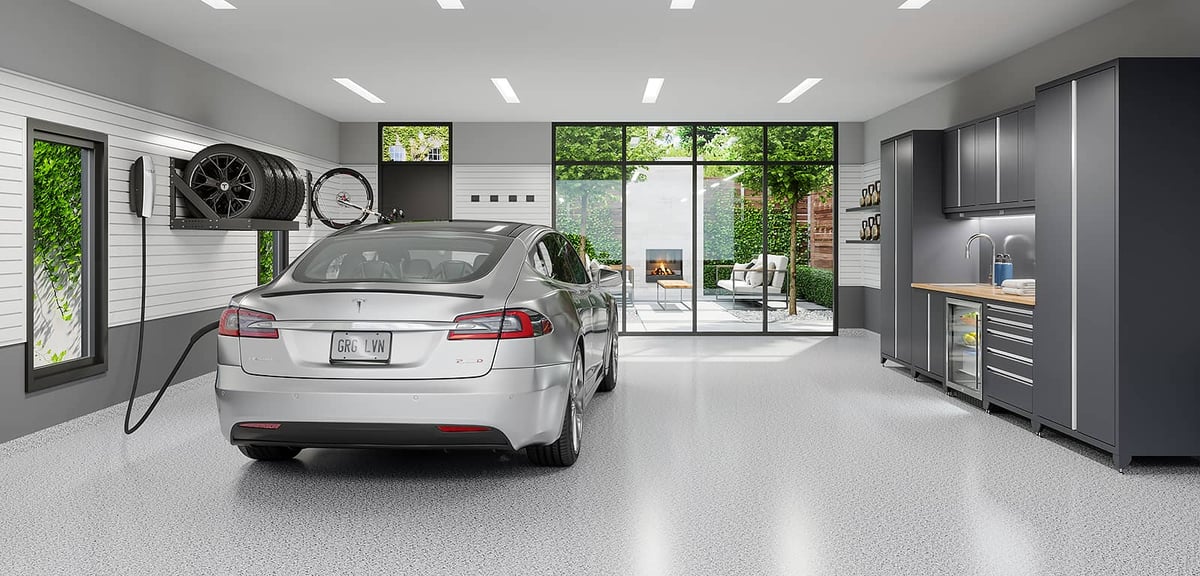
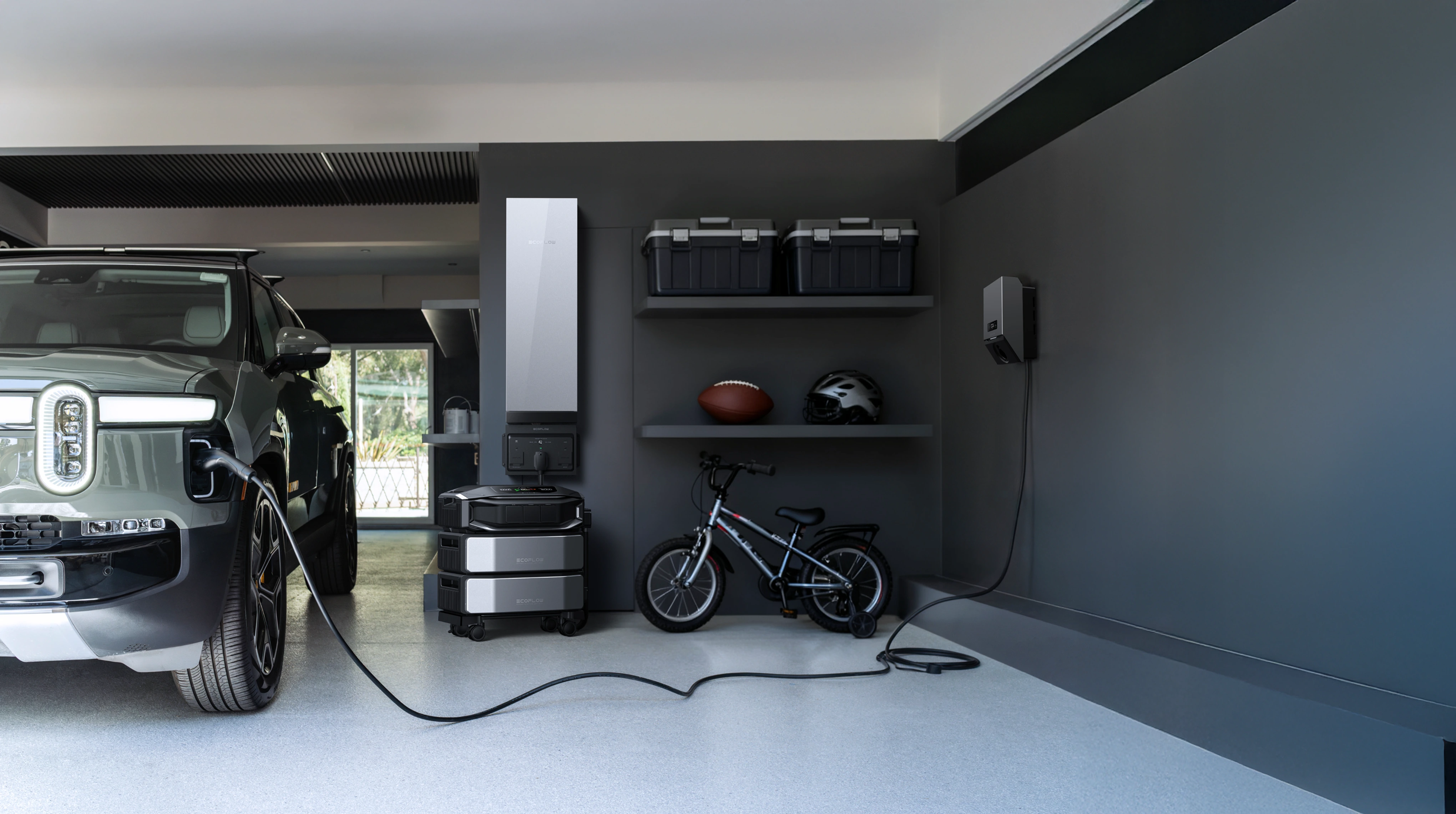
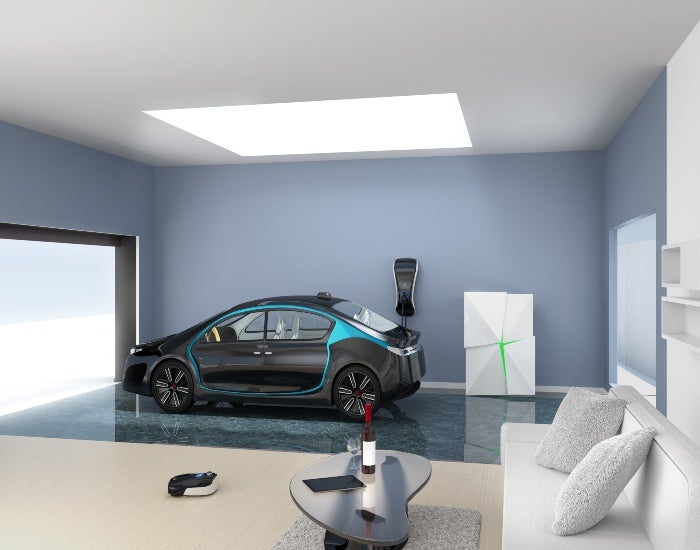
As electric vehicles (EVs) continue to gain popularity, home charging has become an essential aspect of owning an EV. Home charging allows EV owners to conveniently power their vehicles overnight or whenever the car is parked at home, eliminating the need for frequent visits to public charging stations. This not only saves time but also reduces charging costs significantly.
One of the primary benefits of home charging is the convenience it offers. With a dedicated home charger, you can plug in your vehicle as soon as you arrive home and wake up to a fully charged battery every morning. Additionally, home charging provides greater control over energy consumption, enabling you to take advantage of off-peak electricity rates and reduce your overall charging expenses.
How to Set Up a Home Charging Station
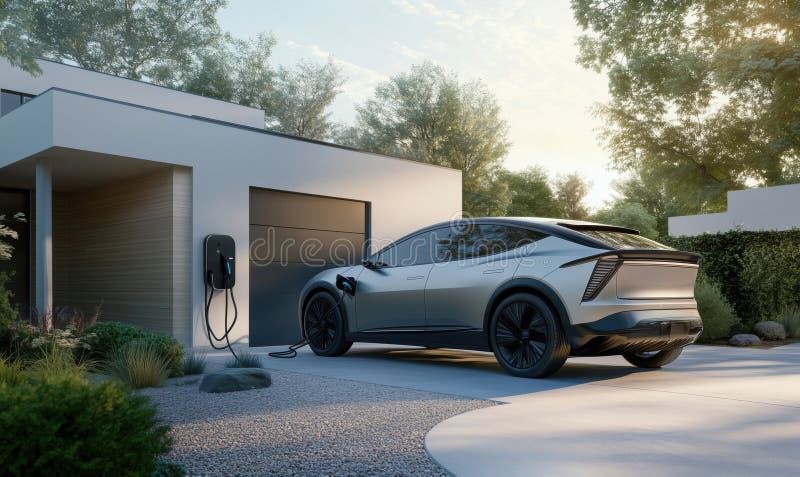
Setting up a home charging station involves several key steps to ensure safety, efficiency, and compatibility with your electric vehicle. First, assess your home’s electrical system to determine if it can support an EV charger. Most home chargers require a 240-volt outlet, similar to those used by large appliances like dryers or ovens. It’s advisable to consult a licensed electrician to evaluate your electrical panel and make any necessary upgrades.
Next, choose the right type of charger for your needs. Level 1 chargers use a standard 120-volt outlet and provide a slow charging rate, typically adding about 3 to 5 miles of range per hour. Level 2 chargers, on the other hand, operate at 240 volts and can add 15 to 30 miles of range per hour, making them the preferred choice for most EV owners.
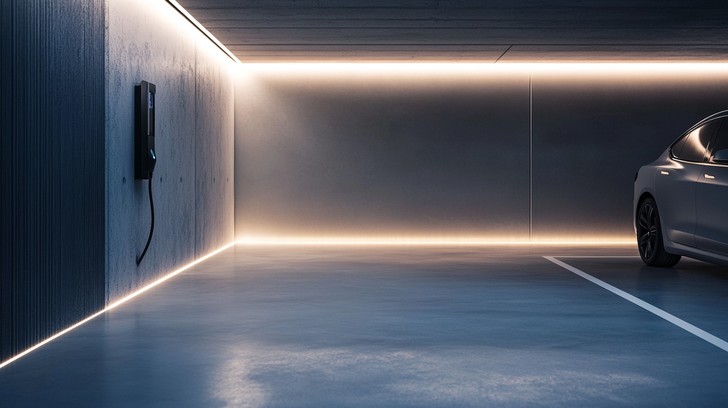
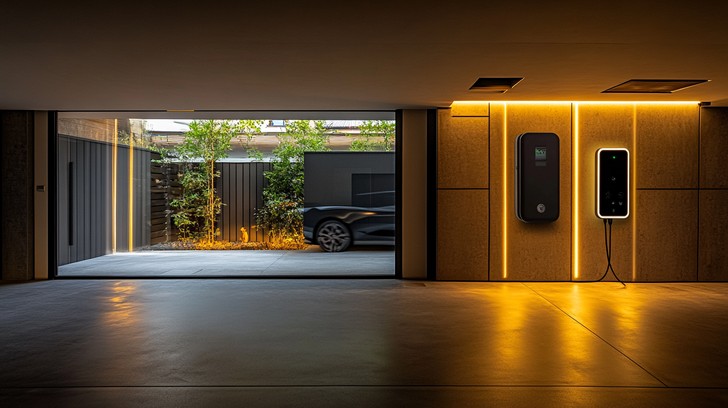
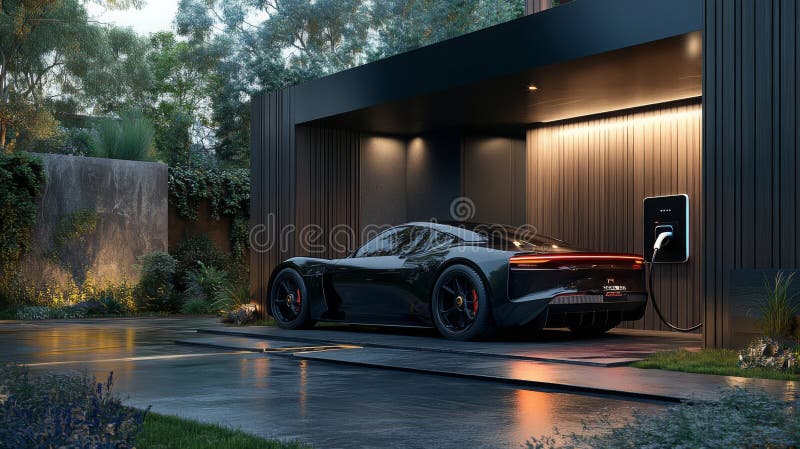
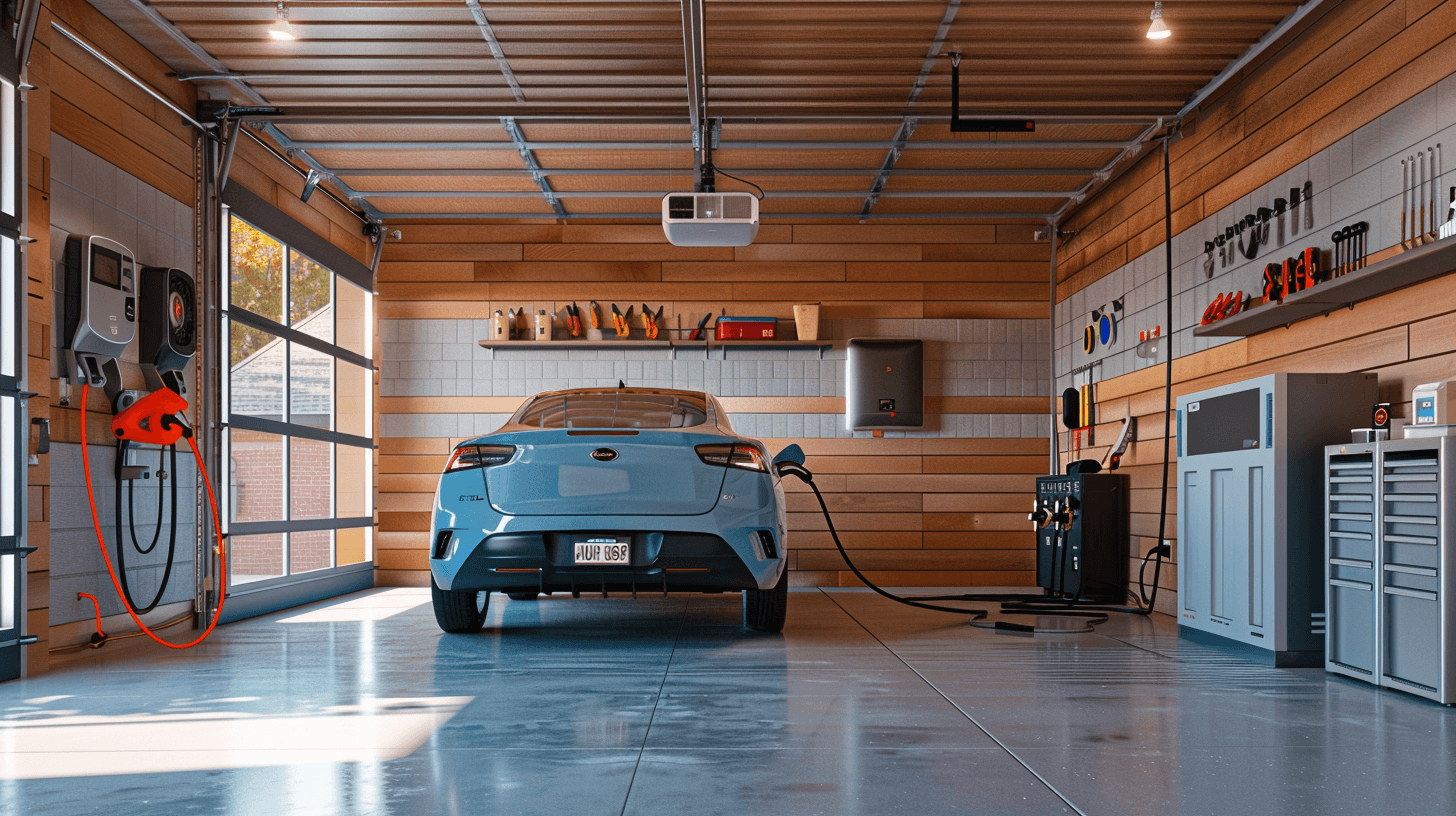
Once you’ve selected a charger, the electrician will install the unit in a convenient location, usually in your garage or driveway. Proper installation includes mounting the charger securely, connecting it to your electrical panel, and ensuring all safety protocols are met. After installation, test the charger with your vehicle to confirm it operates correctly.
Tips to Maximize Your Home Charging Experience

To get the most out of your home charging setup, consider the following tips:
1. **Schedule Charging During Off-Peak Hours:** Many utility companies offer lower electricity rates during nighttime or off-peak hours. Programming your charger to operate during these times can lead to significant savings.
2. **Monitor Energy Usage:** Use smart chargers or apps that track your energy consumption. This data can help you optimize charging habits and identify opportunities to reduce costs.
3. **Maintain Your Charging Equipment:** Regularly inspect your charging cable and connectors for wear and tear. Keeping your equipment in good condition ensures safe and efficient charging.
4. **Plan for Future Needs:** If you anticipate upgrading to a vehicle with a larger battery or faster charging capabilities, consider installing a charger with higher power output to accommodate future demands.
Conclusion

Home charging is a game-changer for electric vehicle owners, offering unmatched convenience, cost savings, and control over your vehicle’s energy use. By understanding the benefits, properly setting up your charging station, and following best practices, you can enhance your EV ownership experience significantly. Ready to make the switch to home charging? Contact a certified electrician today to get started and enjoy the full advantages of charging your electric vehicle at home.