EV Battery Lifespan: How Long Do Electric Vehicle Batteries Really Last?
Understanding EV Battery Lifespan
Electric vehicles (EVs) have become increasingly popular due to their eco-friendly nature and cost savings on fuel. However, one of the most common questions potential EV buyers ask is: how long does an EV battery last? The lifespan of an EV battery is a crucial factor that influences the overall value and performance of the vehicle. Understanding the typical battery lifespan, factors that affect it, and how to maintain it can help you make an informed decision and get the most out of your electric vehicle.
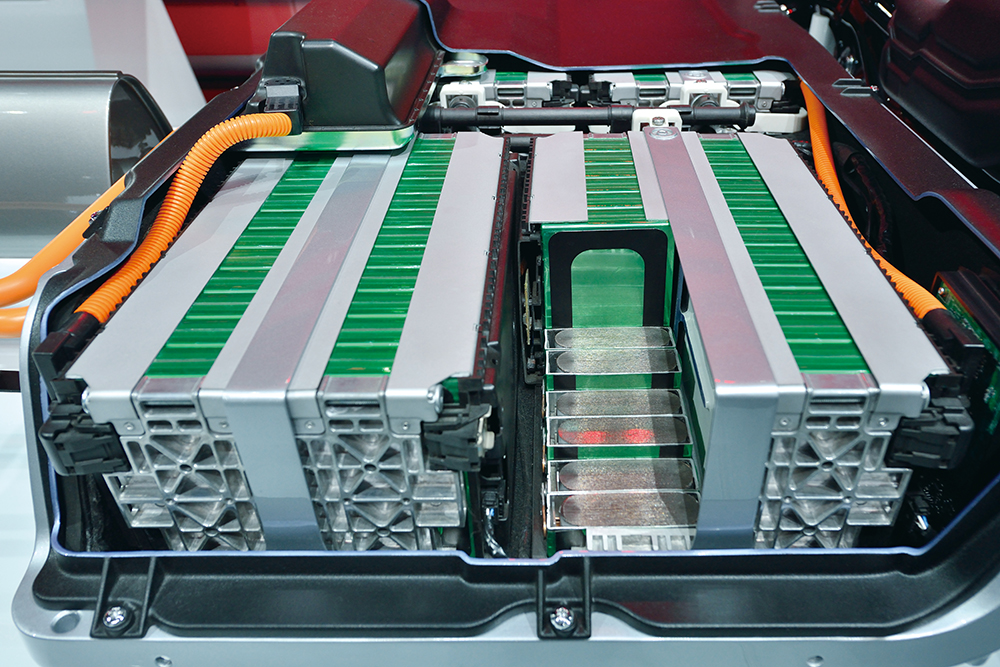
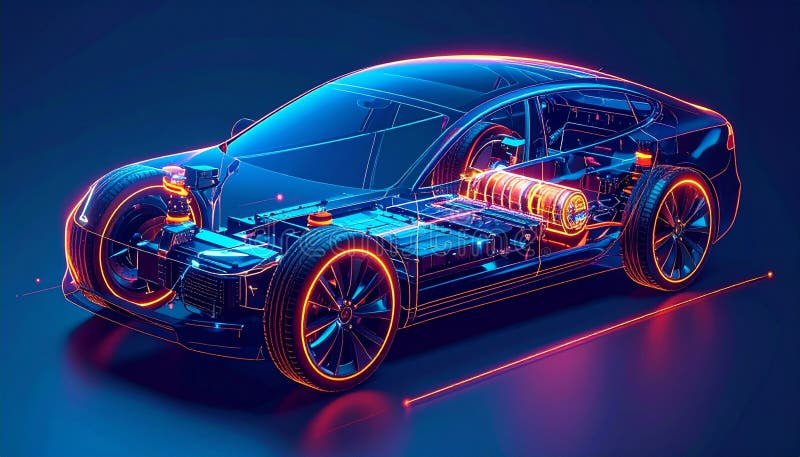
EV batteries are primarily lithium-ion batteries, similar to those found in smartphones and laptops but much larger and more complex. On average, most EV batteries are designed to last between 8 to 15 years or approximately 100,000 to 200,000 miles, depending on usage and maintenance. This longevity has improved significantly over the past decade due to advancements in battery technology and management systems.
Factors Influencing EV Battery Lifespan
Several factors contribute to the lifespan of an EV battery. Understanding these can help you optimize your vehicle’s performance and extend its battery life:
1. **Charging Habits:** Frequent fast charging (DC fast charging) can degrade the battery faster than regular Level 2 charging. While fast charging is convenient, it generates more heat, which can accelerate battery wear.
2. **Temperature Extremes:** Batteries perform best in moderate temperatures. Exposure to extreme heat or cold can reduce battery efficiency and longevity. Many EVs come equipped with thermal management systems to mitigate this issue.
3. **Driving Patterns:** Aggressive driving, rapid acceleration, and frequent stop-and-go traffic can put additional stress on the battery, potentially shortening its lifespan.
4. **Battery Management System (BMS):** Modern EVs use sophisticated BMS to monitor and optimize battery health, balancing charge levels and preventing overcharging or deep discharging, both of which can damage the battery.
5. **Mileage and Age:** Naturally, the more miles driven and the older the battery, the more its capacity will diminish over time.
Tips to Maximize Your EV Battery Lifespan

To ensure your EV battery lasts as long as possible, consider the following maintenance and usage tips:
– **Avoid Frequent Fast Charging:** Use DC fast charging sparingly and rely more on Level 2 charging for daily use.
– **Maintain Moderate Charge Levels:** Keeping your battery charge between 20% and 80% can reduce stress on the battery cells.
– **Park in Shade or Garage:** Protect your vehicle from extreme temperatures by parking indoors or in shaded areas.
– **Drive Smoothly:** Avoid rapid acceleration and heavy braking to reduce battery strain.
– **Regular Software Updates:** Keep your EV’s software updated to benefit from the latest battery management improvements.
When to Replace Your EV Battery
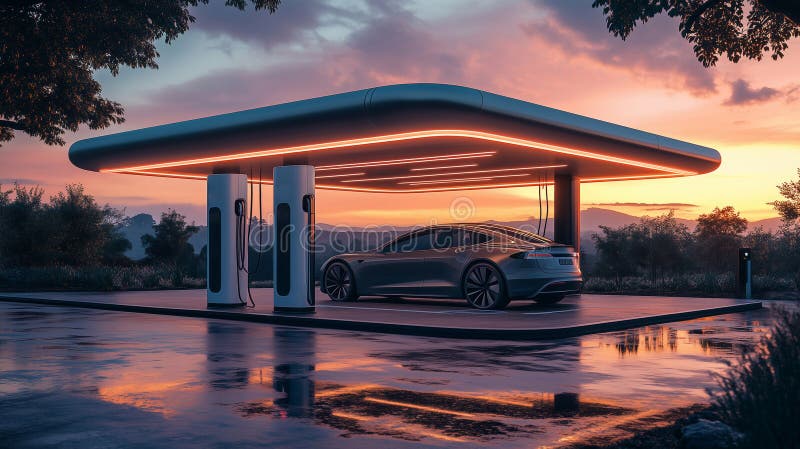
Despite best efforts, EV batteries will eventually degrade to a point where replacement is necessary. Most manufacturers offer warranties covering battery health for 8 years or 100,000 miles, whichever comes first. When battery capacity drops below 70-80% of its original capacity, you may notice reduced driving range and performance.
Replacing an EV battery can be costly, but prices have been steadily decreasing as technology advances. Additionally, some EV owners opt for battery refurbishment or second-life applications, such as energy storage systems, to extend the usefulness of their batteries.
Environmental Impact and Recycling
Proper disposal and recycling of EV batteries are critical to minimizing environmental impact. Many manufacturers and recycling programs focus on recovering valuable materials like lithium, cobalt, and nickel to reduce the need for new mining. As EV adoption grows, efficient recycling infrastructure will play a vital role in sustainable battery lifecycle management.
Conclusion

Understanding the EV battery lifespan is essential for anyone considering an electric vehicle. While batteries typically last between 8 to 15 years, factors such as charging habits, temperature, and driving style can influence their longevity. By adopting smart charging practices and maintaining your EV properly, you can maximize battery life and enjoy the benefits of electric driving for years to come. Ready to make the switch to an electric vehicle? Explore our latest EV models and experience the future of driving today!