



The View host Ana Navarro tries to shame Gloria Gaynor into refusing Kennedy Center award because of Trump

Ana Navarro, a prominent host on the daytime talk show “The View,” has found herself in the spotlight recently for attempting to sway iconic singer Gloria Gaynor regarding an upcoming prestigious honor. The Kennedy Center award, which Gaynor is set to receive, has become a controversial topic due to its association with Donald Trump, who is slated to present the award. Navarro took to her Instagram account to voice her concerns, advocating for Gaynor to reconsider her decision to accept what she believes is a tainted honor.

In her post, Navarro expressed her deep respect for Gaynor, emphasizing that the singer deserves recognition for her contributions to music and her impactful anthem “I Will Survive.” However, Navarro argued that accepting an award from someone like Trump, whom she describes as a damaging figure for marginalized communities, diminishes the significance of the honor itself. She pointed out that Gaynor’s extensive fanbase, particularly within the LGBTQ community, may feel conflicted about their beloved icon receiving recognition in connection with a controversial figure.
The Background of the Kennedy Center Award
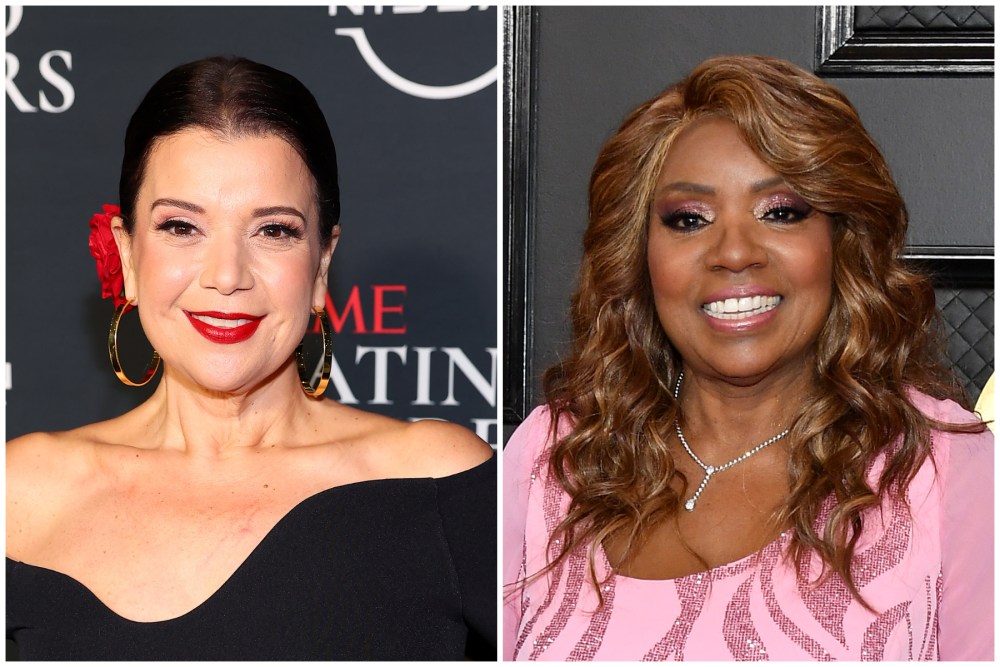
Gloria Gaynor, now 81, is celebrated not only for her music but also for her powerful messages of resilience and empowerment. The Kennedy Center honors have long been regarded as some of the highest accolades in the performing arts, celebrating excellence in various fields. In December, Gaynor is among a group of distinguished individuals receiving this honor. Nevertheless, the current political climate, particularly Trump’s reign as president and his ongoing influence, has complicated the landscape of celebrity recognition.

The Kennedy Center’s association with Trump, who has made headlines for his divisive policies and comments, has brought about heightened scrutiny. During his tenure, he made headlines as chairman, promoting traditional performances while distancing the Center from more avant-garde and inclusive events, particularly those embracing the LGBTQ community. This context adds weight to Navarro’s assertions about the complexities surrounding the award, especially for someone like Gaynor, whose song has become an anthem for acceptance and survival.
Gaynor’s Response and Unwavering Decision

Despite Navarro’s public pressure, Gloria Gaynor has remained resolute in her decision to accept the Kennedy Center award. In her responses, she has stated that her acceptance is not merely about the honor itself but also about the opportunities it presents for spreading positivity and inspiration through her music. Gaynor believes her career has always been about uplifting others and that accepting the award could empower her to reach an even broader audience.

Furthermore, Gaynor’s determination to move forward with the award acceptance highlights a broader phenomenon in Hollywood and the entertainment industry, where artists often face challenges in navigating their political beliefs with their professional accolades. The singer’s past comments about feminism, where she has publicly stated that she does not identify as a feminist, have brought her both support and criticism. This situation illustrates the intricate dynamics of public perception, celebrity status, and political affiliations.
The Implications of Navarro’s Message

Ana Navarro’s appeal to Gloria Gaynor encapsulates ongoing discussions about the intersection of celebrity culture and political sentiments. By urging Gaynor to reconsider the honor, Navarro highlights the troubling aspects of reconciling achievements in the arts with affiliations to controversial political figures. This moment illustrates the significant weight that public opinion and social media can exert on individual decisions, especially in today’s politically charged environment.
As Navarro’s passionate message circulates, it reignites conversations about how patrons of the arts can engage with the political implications of their recognition. The underlying question remains: should artists navigate their careers while considering the moral implications of who presents their accolades? This dilemma is particularly pronounced for those like Gaynor, whose works have been emblematic of hope, resilience, and advocacy for marginalized groups.

The response to Navarro’s position has been mixed, with some supporting her view and others defending Gaynor’s right to accept the award. The dialogue surrounding this issue reflects broader societal tensions, including debates about the role of the arts in activism and the responsibilities of public figures in aligning themselves with certain political ideologies.
Conclusion
In conclusion, the controversy surrounding Ana Navarro’s attempt to sway Gloria Gaynor regarding the Kennedy Center award raises critical questions about art, politics, and the relationships between the two spheres. As the situation develops, both Navarro’s plea and Gaynor’s steadfast resolve mirror the ongoing dialogue about activism, recognition, and the impact of political affiliations in the cultural landscape. For those interested in exploring these issues further, engaging with local arts initiatives or participating in discussions about the intersection of art and activism can be an insightful way to contribute to meaningful change.