



Sister of Brit Killed in Air India Crash Slams Officials Who Sent the Wrong Body

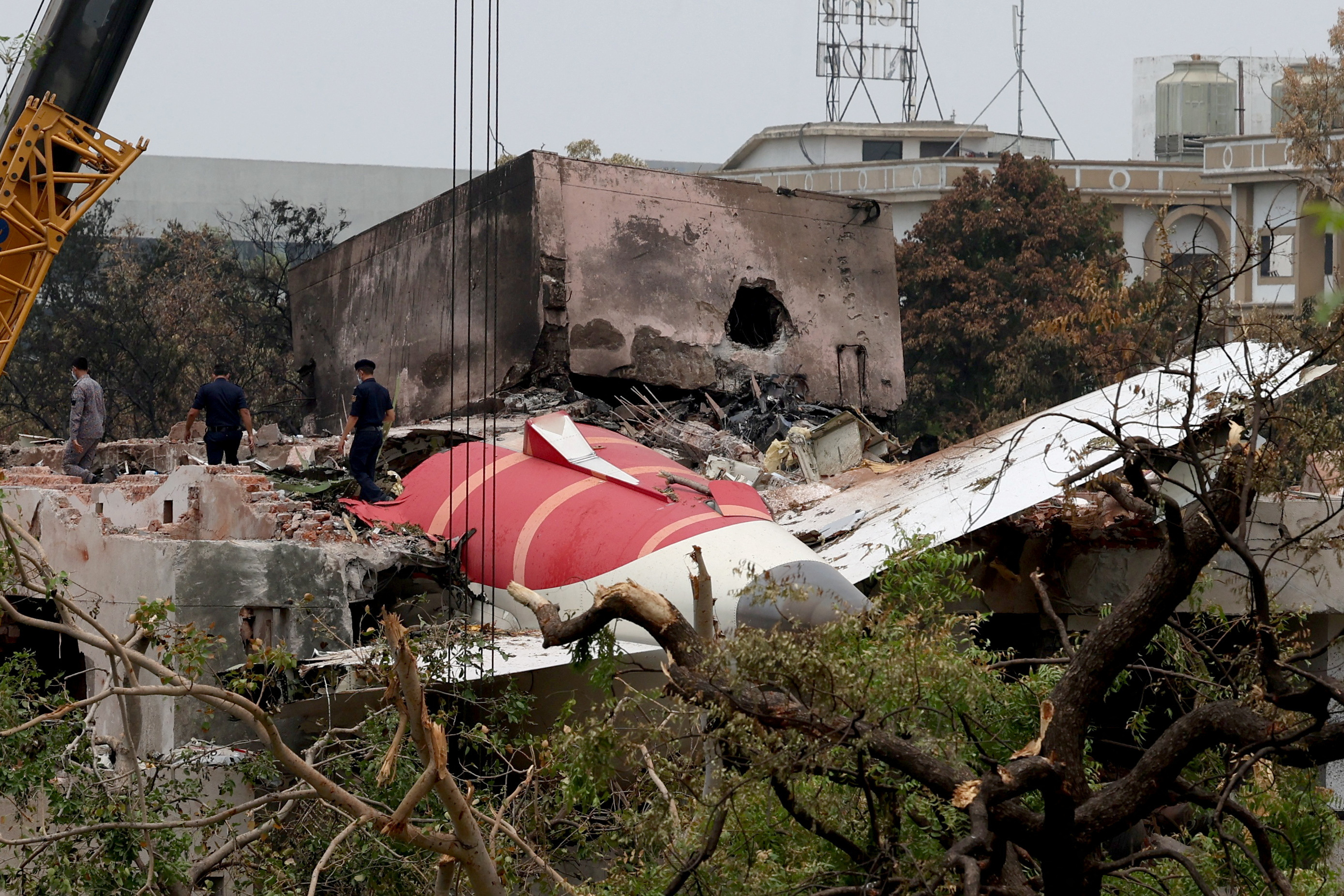
The tragic Air India crash on June 12, 2025, near Ahmedabad airport resulted in the loss of 242 lives out of 243 people aboard, prompting grief and outrage among the victims’ families. Among them is Arwen, the sister of Fiongal Greenlaw-Meek, who is devastated by recent developments regarding the identification of her brother’s remains. In a heartbreaking turn of events, the family received the wrong body, intensifying their anguish during an already traumatic time.

Arwen’s plea for accountability centers around the urgent need for accurate identification of her brother’s remains. She expresses profound sorrow, saying that the bureaucratic errors have made a painful situation even worse. “We just want closure and dignity for my brother,” Arwen stated. “Every family deserves to know they are laying their loved one to rest, not someone else.” Her fears that Fiongal may have been cremated as an unidentified victim underscore the grief family’s faced when officials fail to properly manage sensitive information.
Problems in Identification and Forensic Protocols

The heartache stemming from the misidentification of victims’ bodies is attributed to the Indian authorities’ mishandling of forensic protocols. Arwen criticized the decision to leave the crash site open for two days after the incident, suggesting that such negligence is inexcusable. “How can they allow such chaos to happen during a time when families are already suffering?” she questioned. These delays and poor coordination have resulted in multiple misidentifications, leading to nightmarish situations for several families.

Reports have emerged of families discovering that the bodies they believed to be their loved ones were, in fact, incorrect. One family found that their loved one’s coffin contained an entirely different person, amplifying their grief and denouncing the authorities’ capabilities in handling these sensitive matters. The Foreign Office has stepped in to support the affected families; however, they emphasize that the formal identification process is ultimately the responsibility of the Indian officials.
The Impact on Families and the Call for Change

The emotional turmoil experienced by the families of crash victims has been nothing short of devastating. As Arwen illustrates through her story, the pain of losing a loved one is compounded by the mishandling of remains. Mismanagement during the identification process can create layers of trauma, making it nearly impossible to achieve any semblance of closure.
Many families share Arwen’s sentiments, calling for immediate reforms in forensic protocols and identification processes following such tragic incidents. The grief of losing a loved one is deeply personal, but this additional layer of complexity can affect how families process their grief. Arwen’s insistence on “closure” serves as a rallying call for change in how authorities handle the aftermath of disasters.
A Path Forward: Accountability and Hope

The ongoing aftermath of the Air India crash has highlighted significant gaps in disaster response and victim identification protocols. Arwen and other affected families are determined to seek justice, accountability, and improvements in the processes to prevent similar occurrences in the future. They believe that every family deserves respect during their most vulnerable time, and Arwen’s fight for her brother’s dignity reflects a deeper societal need for reform.

As the investigation continues, the Greenlaw-Meek family holds out hope for answers and thorough investigations that may lead to enhanced standards and procedures. The desire for systemic change echoes among many who have encountered the failures of identification processes during their worst times. “We just want the authorities to take responsibility so that others do not have to suffer as we are,” Arwen stated emphatically.

In conclusion, the tragic events following the Air India crash illustrate a dire need for improvement in disaster management protocols. Families of the victims deserve clarity and respect as they navigate their grief. Engaging in meaningful dialogue about these missteps and advocating for policy changes can be a significant step forward. If you believe in advocating for better practices in handling such sensitive situations, join us in raising awareness about the need for accountability and dignity in the wake of tragedy.