



BBC’s Letter to Gregg Wallace’s Six Biggest Bombshells – Early Warning to Final Blow
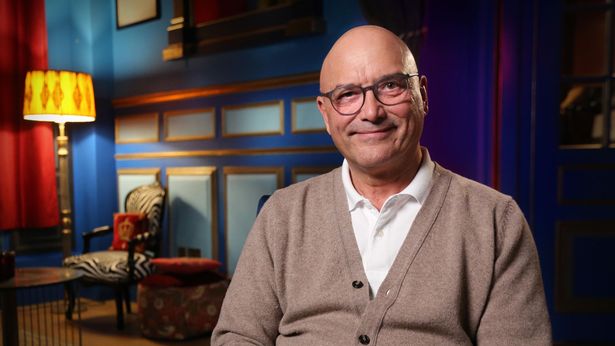
The BBC has officially severed ties with beloved television personality Gregg Wallace, marking a significant and controversial decision that has stirred conversations across media platforms. The network cited a serious lack of confidence in Wallace’s ability to amend his inappropriate behavior as the crucial reason for their choice. This drastic measure is rooted in a prior complaint and a subsequent investigation conducted by Banijay, examining Wallace’s conduct during his tenure on the iconic cooking competition show, “MasterChef.”
Major Concerns Raised in the BBC’s Formal Letter

A formal letter, issued by Claire Powell, who serves as the Head of Compliance for BBC Television, detailed the serious concerns surrounding Wallace’s past behaviors in the workplace. The letter elaborated on a history of boundary issues that have plagued Wallace since at least 2018, with multiple warnings issued to him throughout the years. Despite engaging in coaching sessions following a previous complaint, it became evident that Wallace’s behavior had not significantly improved. This lack of change posed a notable risk to the safety and dignity of his colleagues, leading to a critical reassessment of his role.
Workplace Dynamics and Immediate Risks

The letter drawn up by Powell outlined specific issues regarding the unscripted format of many programs Wallace had hosted. The nature of these shows requires strong judgment during live interactions, where monitoring can be challenging. The BBC emphasized its responsibility to ensure a safe and respectful environment for both participants and viewers alike. Ultimately, it was concluded that they could no longer trust Wallace to contribute positively to this objective, given the patterns of behavior outlined in the investigation.
Wallace’s Defense and Broader Implications

In response, Wallace expressed feelings of injustice, asserting that he had been unfairly treated throughout the ordeal. He argued that his neurodiversity—specifically his diagnosis of autism—was not sufficiently recognized or accounted for during the BBC’s review process. Wallace has indicated a firm refusal to accept the BBC’s decision without challenge, highlighting that other individuals accused of severe misconduct were overlooked during investigations while he faced significant scrutiny.
This controversy extends beyond Wallace, raising essential questions about workplace conduct and inclusivity within the television industry. Discussions surrounding the treatment of neurodiverse individuals in production environments are reaching new heights as public scrutiny intensifies. The circumstances of this case exemplify the need for more comprehensive approaches to understanding and accommodating diverse behaviors in the workplace, especially in high-stress environments like television production.
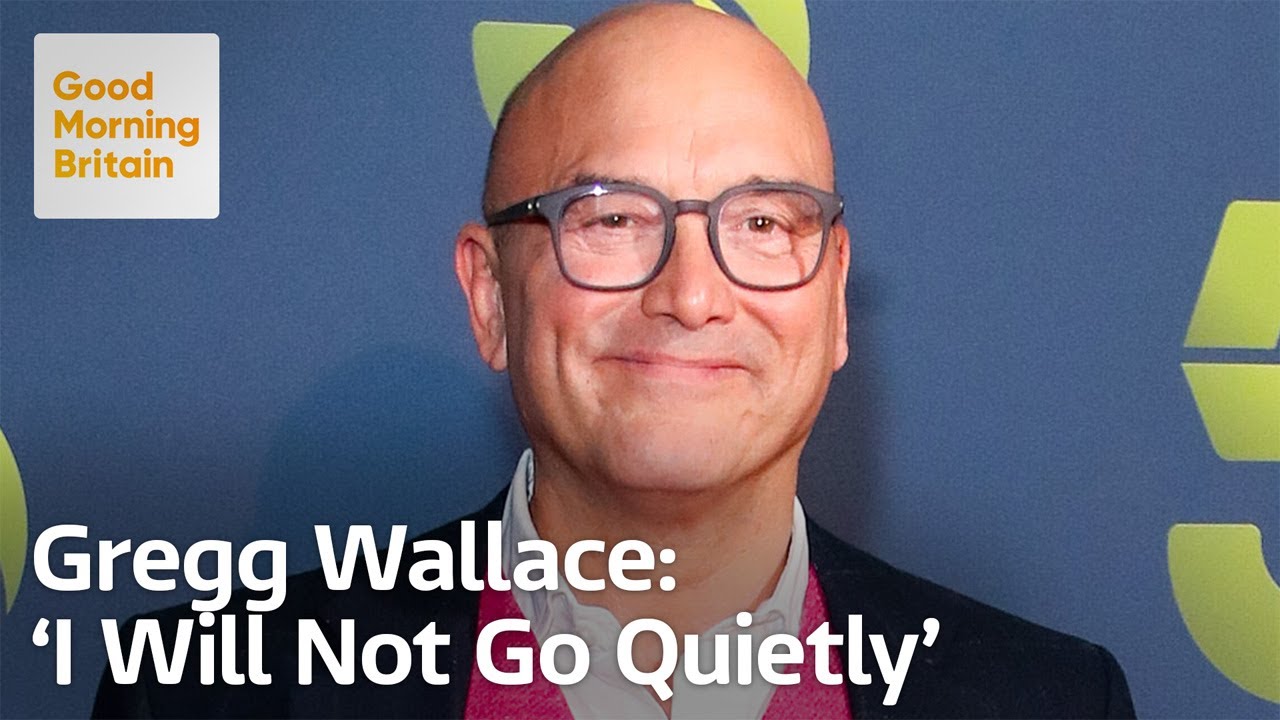
In light of these revelations, the BBC’s action serves as a clarion call for the industry to assess its policies and practices concerning behavior, inclusivity, and support for neurodiverse employees. As more viewers become aware of the implications of these issues, the demand for change and accountability in the entertainment sector is louder than ever.

To stay updated on developments in this unfolding story and to explore more insights into workplace conduct in the television industry, consider following our articles. Your engagement can drive the conversation towards a more inclusive environment in media.