


Engine Fuel Switches Cut Off Before Air India Crash That Killed 260, Preliminary Report Finds
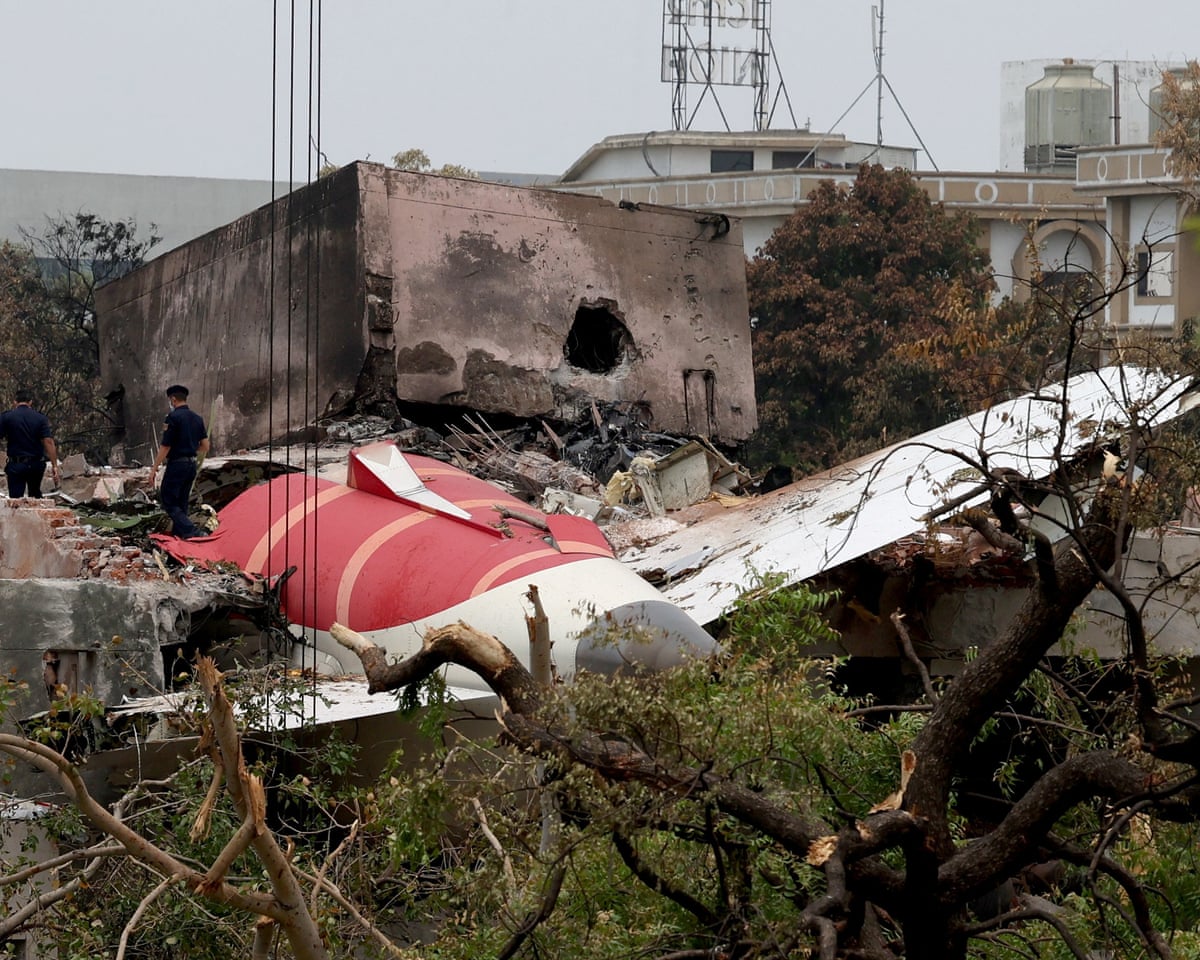
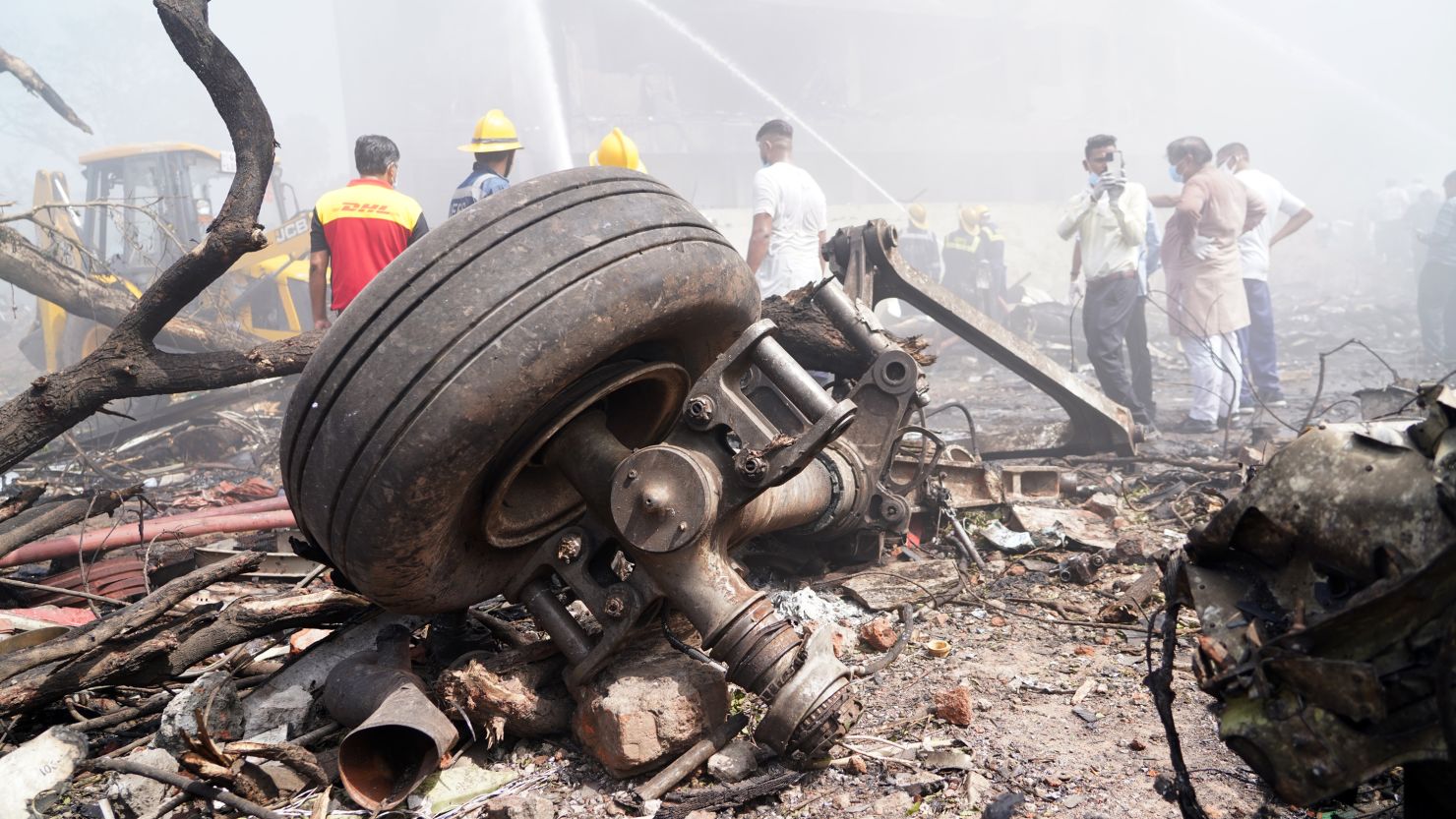
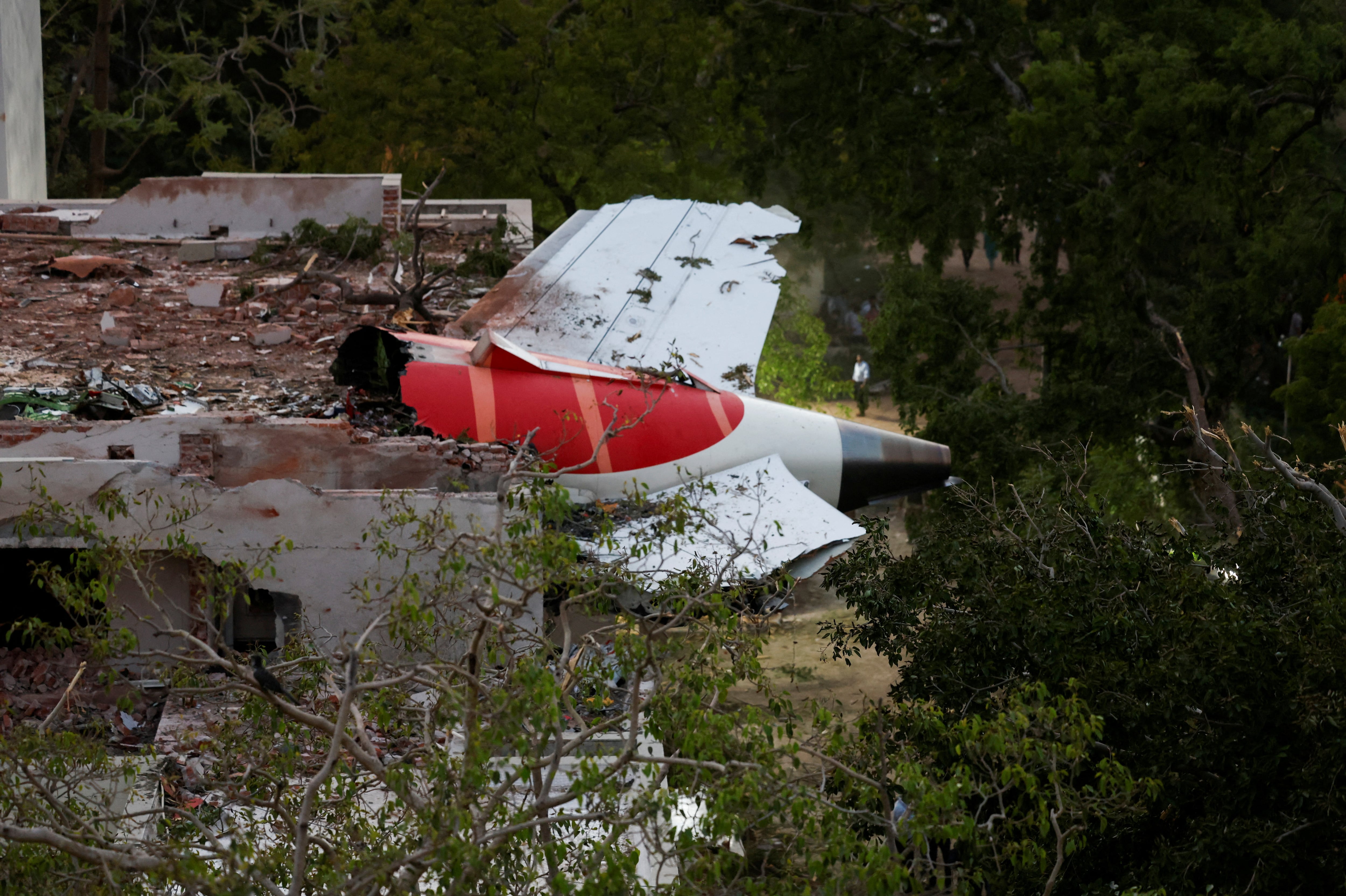
On June 12, 2025, Air India flight AI171, a Boeing 787-8 Dreamliner, tragically crashed into a congested area in Ahmedabad shortly after taking off, resulting in the loss of 260 lives, including 241 passengers and 19 individuals on the ground. This incident is recognized as one of the gravest air disasters in over a decade.
A preliminary investigation report from India’s Aircraft Accident Investigation Bureau has revealed that the engine fuel cutoff switches in the cockpit were switched to the “cutoff” position mere seconds after the aircraft became airborne. This critical maneuver led to an almost instantaneous loss of engine power, as the switches shifted from “RUN” to “CUTOFF” within a second, severely diminishing engine thrust.
Unexpected Sequence of Events in the Cockpit
Disturbingly, the cockpit voice recorder managed to capture a conversation between the flight crew, in which one of the pilots expressed confusion over the fuel cutoff, while the other refuted having executed such an action. The report does not specify which pilot made these remarks or who issued a distress call moments before the crash.
The commanding pilot was Sumeet Sabharwal, an experienced instructor with over 15,000 flight hours, while the first officer, Clive Kunder, had accumulated around 3,400 hours of flying experience. Both pilots encountered a sudden loss of engine power during the ascent, a highly unusual situation under normal operating conditions. Aviation experts have raised concerns, noting that unintentional engagement of the fuel switches is typically improbable, as it generally necessitates deliberate action. This raises additional questions about potential mechanical failures or other unforeseen factors at play during the flight.
Impact of the Crash on the Surrounding Area
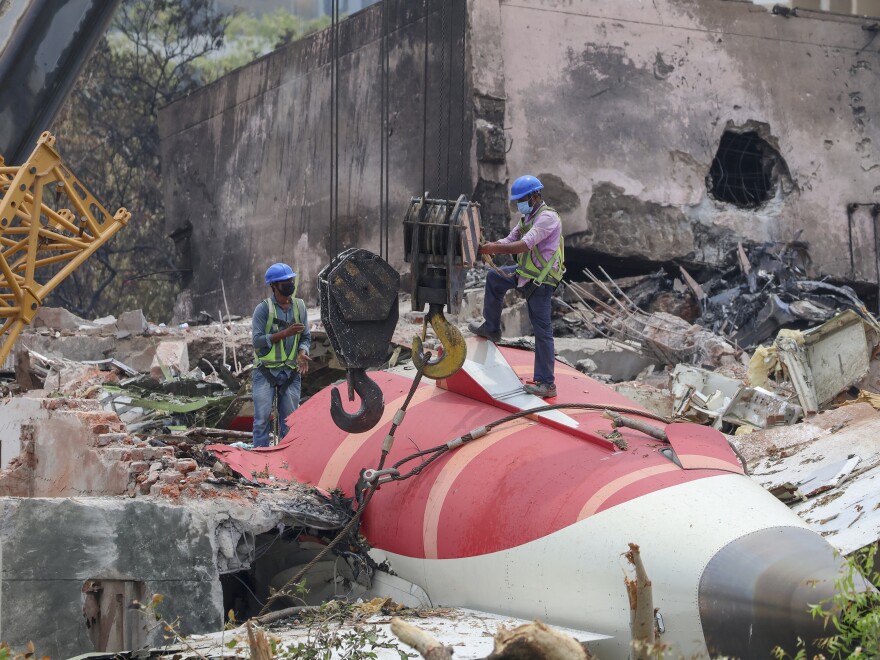
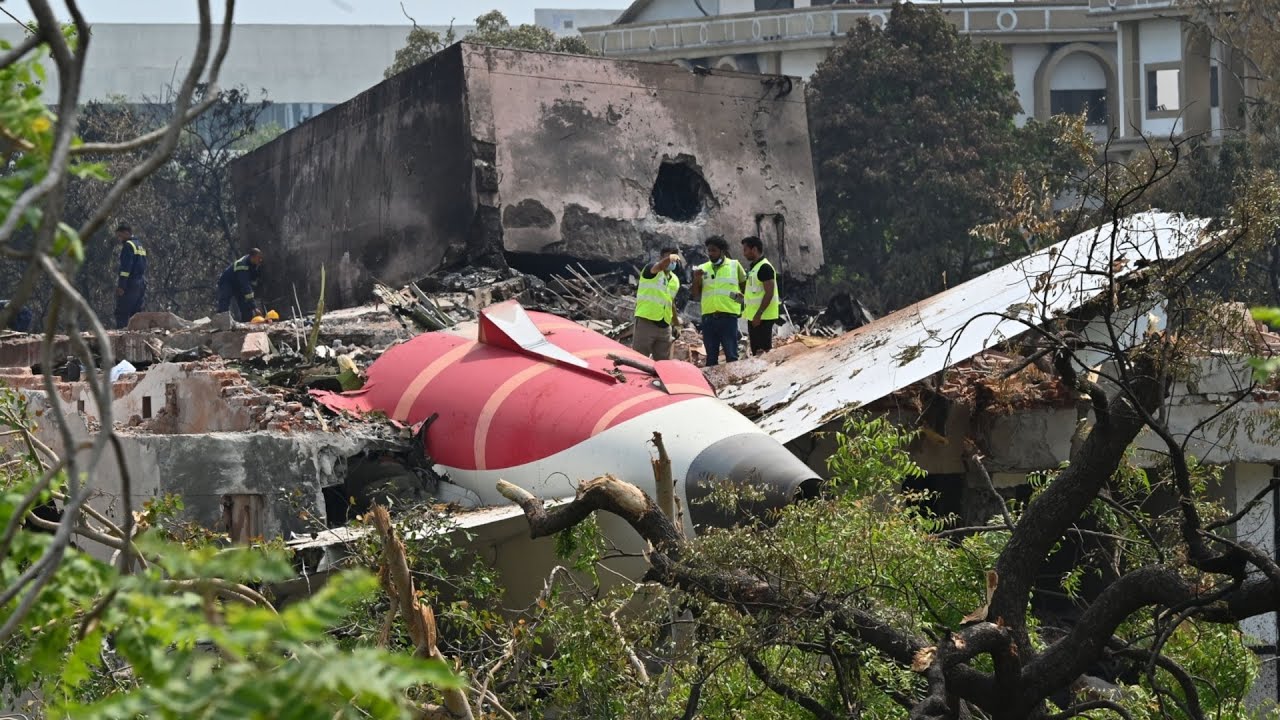
The tragic crash not only resulted in immense loss of life but also caused considerable destruction on the ground. At least five buildings were severely impacted, including a hostel for medical students, highlighting the widespread ramifications of the disaster. One individual, British national Vishwash Kumar Ramesh, remarkably survived the crash by escaping through a breach in the aircraft’s fuselage. He has since recounted the traumatic events during and after the incident, providing a chilling perspective of the catastrophe.
Ongoing Investigations and Collaborative Efforts
In the wake of this tragedy, Air India has expressed their deepest condolences and is fully collaborating with the ongoing investigation. However, the airline has opted not to make further public comments, considering the investigation’s current status. Both Boeing, the manufacturer of the aircraft, and General Electric (GE), the engine manufacturer, have acknowledged the preliminary report and have pledged their support in the inquiry process.
Current investigations led by Indian authorities have ruled out the possibility of a bird strike contributing to the accident. They are diligently working to collect more data to uncover the factors that led to this catastrophic event. The U.S. National Transportation Safety Board has also expressed appreciation for the collaboration received from Indian officials in investigating this serious incident. A thorough investigation is underway, aimed at uncovering all elements that contributed to the tragic outcome of flight AI171.
As we await further updates from the investigation, it is crucial to remain vigilant about aircraft safety and the need for stringent protocols that protect the lives of passengers and those on the ground. For more details on this investigation and aviation safety measures, stay tuned for ongoing updates.