



Anderson Cooper Explains the White House’s Latest Directive to Vet Smithsonian Museums

On August 13, 2025, renowned CNN anchor Anderson Cooper presented a report regarding a new directive issued by the White House, which mandates a comprehensive review of the exhibitions and materials displayed by the Smithsonian Institution. This initiative aims to ensure that the cultural artifacts and educational content reflect the current administration’s perspectives on history and cultural representation.
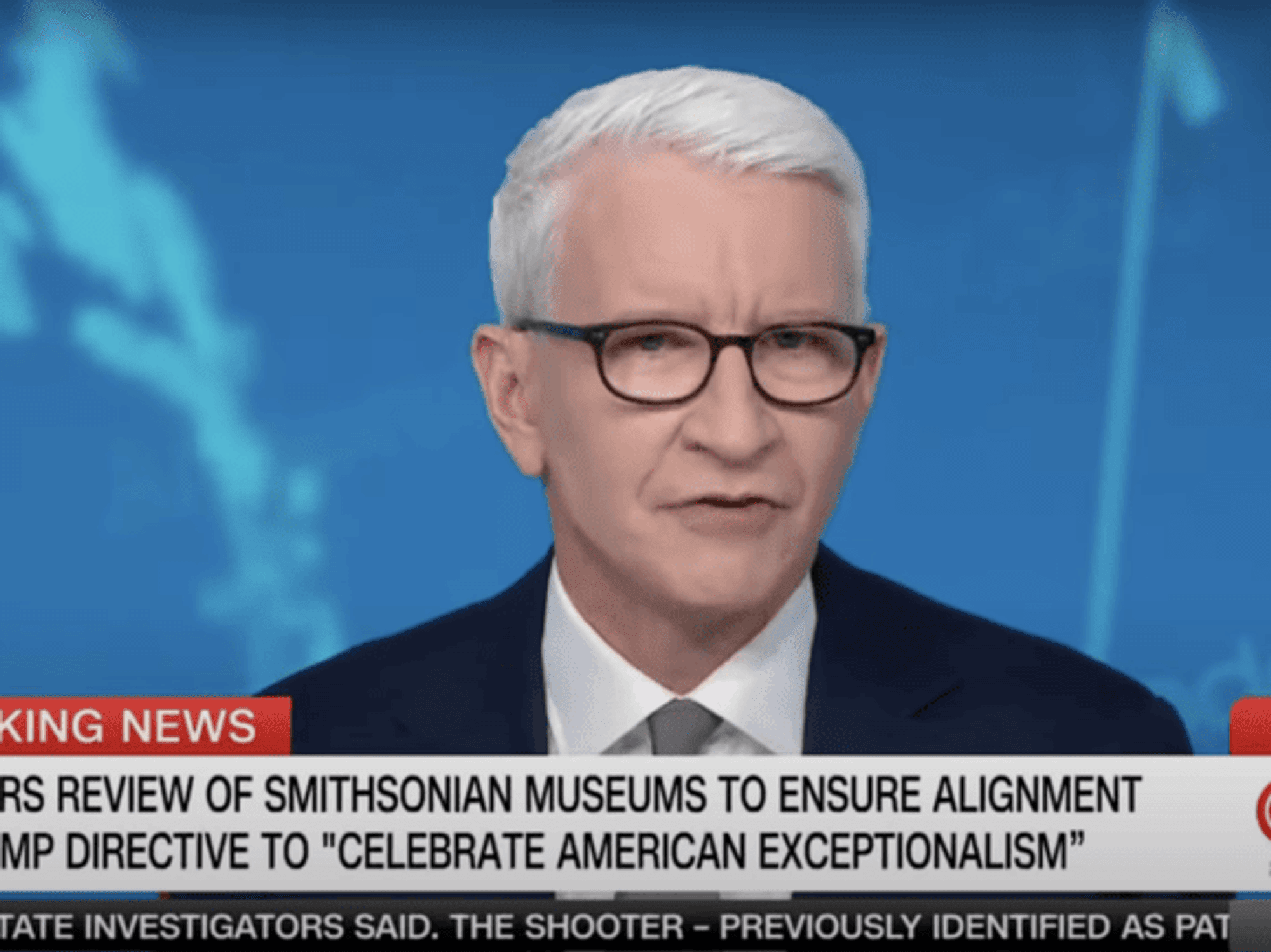
The directive is part of a broader effort by the administration to shape U.S. cultural institutions in line with its ideological views. Cooper’s coverage sheds light on the potentially significant ramifications of this initiative, especially regarding the depiction of diverse narratives within national museums and related educational entities.
The Purpose Behind the Review
The White House’s directive calls for an internal examination of the Smithsonian Institution’s cultural displays, ostensibly to verify their alignment with the current political atmosphere. This review process has sparked a lively debate about the potential impact on how diverse cultures and historical events are portrayed in major institutions dedicated to preserving American heritage.
Supporters of this initiative argue that it aims to enhance the educational value of the exhibitions, ensuring that they resonate with national pride and reflect the values of contemporary American society. However, critics voice concerns that this directive may lead to a more homogenized representation of history that overlooks critical perspectives and diverse cultural narratives that are essential for understanding the rich tapestry of American society.
Concerns About Historical Accuracy and Diversity

One of the most pressing issues raised by this directive is the potential risk of historical distortion. Various advocacy groups, historians, and cultural experts have expressed alarm that this internal vetting process could pave the way for the suppression of minority voices and marginalized histories.

This predicament amplifies the age-old struggle between political power and cultural representation, calling into question who gets to define history and what narratives are deemed worthy of public display. Cooper’s broadcast emphasized the essential role of the Smithsonian as a national platform dedicated to the pursuit of knowledge and education, raising vital concerns about how this vetting could affect exhibitions that celebrate cultural diversity.
The Broader Implications for Cultural Institutions

The implications of this White House directive extend beyond the walls of the Smithsonian. As a symbol of American cultural identity and historical integrity, any changes enforced by this review could threaten the fundamental goals of museums: to educate, inform, and inspire a sense of curiosity about our collective past.

Future exhibitions and educational materials may become subject to alterations based on a political agenda, hindering the critical discourse necessary for fostering a well-rounded understanding of history. Stakeholders are now closely monitoring the situation, as the potential ramifications resonate throughout various cultural institutions across the country.
In light of these developments, there is an urgent need for public discourse surrounding the importance of maintaining diversity and inclusivity in our national narratives. As discourse around this topic continues to evolve, the future of the Smithsonian and similar institutions hangs in the balance.
Conclusion

The ongoing review of the Smithsonian Institution underscores the complex interplay between culture, politics, and education. As this situation develops, citizens are encouraged to engage in dialogue and advocate for an inclusive representation of history. Understanding various narratives enriches our society and fosters a deeper appreciation for the nation’s diverse cultural landscape, making it essential for everyone to stay informed and involved.