



Bernie Ecclestone: My friend Christian Horner’s big mistake was thinking he’s still 20 years old
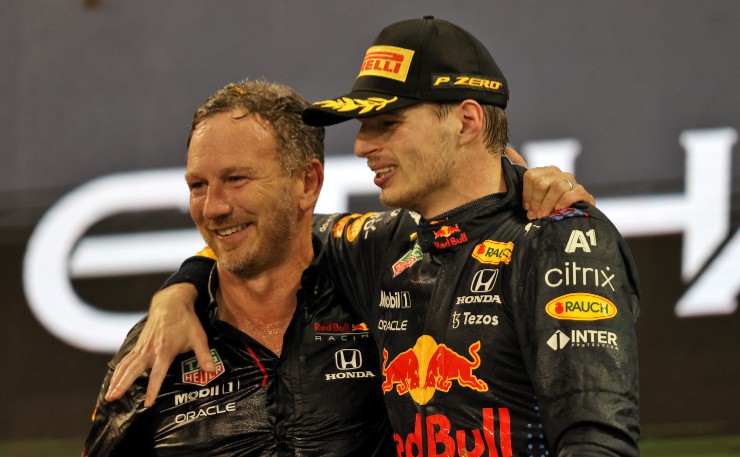
In the world of Formula 1 racing, few names evoke as much recognition and respect as Bernie Ecclestone. Known for his shrewd business acumen and no-nonsense attitude, Ecclestone has been a significant figure in transforming F1 into a multi-billion dollar industry. Recently, he expressed his thoughts on fellow team principal Christian Horner’s approach to the sport, hinting at a glaring miscalculation. According to Ecclestone, Horner’s biggest mistake was operating under the assumption that he’s still 20 years old, a comment that raises interesting considerations about age, experience, and the evolution of leadership in high-stakes environments like Formula 1.
The Dynamics of Age and Experience in Formula 1

In a sport characterized by speed, precision, and a relentless drive for improvement, age can often be perceived as a disadvantage. Young drivers dominate the tracks, showcasing remarkable talent and stamina. However, seasoned professionals like Ecclestone remind us that experience plays a crucial role in strategy and management. In his remarks about Horner, he implies that while youthful energy is essential, the wisdom acquired through years in the industry cannot be understated. Horner, who has led Red Bull Racing for over a decade, is undoubtedly a competent team principal with an impressive list of achievements. Yet, as Ecclestone suggests, there is a risk of losing perspective amid the fast-paced nature of the sport.
Formula 1 is not just about racing; it’s about navigating complex team dynamics, managing relationships with sponsors, and understanding the evolving technology in the sport. Experience allows leaders to draw from past challenges and successes, potentially guiding their teams through obstacles that arise throughout a season.
The Balancing Act Between Innovation and Tradition

One of the most critical aspects of Formula 1 is the constant push for innovation. Teams continually seek competitive advantages through engineering breakthroughs and strategic decisions. However, this relentless pursuit can sometimes cloud judgment, particularly for leaders who may overestimate their ability to adapt to rapid changes. Ecclestone’s assertion regarding Horner highlights a broader concern about whether team principles are fully recognizing the evolving landscape.
For leaders like Horner, balancing the desire to implement fresh ideas while respecting the principles that have built successful teams is vital. The recent trends in the sport emphasize a move towards younger, more tech-savvy figures. However, this shift must not overshadow the importance of veteran insight and the lessons that come with aging. In many cases, the fusion of youthful energy and seasoned wisdom can unlock innovative solutions and performance enhancements.
Self-Reflection: The Importance of Adaptability in Leadership

Leadership in Formula 1 involves not only steering the team towards victory but also adapting to the evolving industry landscape. Ecclestone’s commentary signals the need for leaders, like Horner, to continuously self-reflect. It is essential to understand the limitations that certain mindsets can impose. While it is commendable for leaders to maintain enthusiasm and a forward-thinking approach, it is equally crucial that they remain receptive to the realities of their circumstances.
Self-awareness and the willingness to adapt to changing environments are essential traits for any successful leader. Recognizing the signs of fatigue or the need for a strategic pivot can make a decisive difference in a team’s performance over an F1 season. As technology advances, understanding one’s strengths and weaknesses while leveraging the team’s collective talent is vital to maintaining competitiveness.
The Road Ahead: Lessons from Bernie Ecclestone
Bernie Ecclestone has long had a reputation for his straightforward approach. His comments regarding Christian Horner serve as a valuable reminder of the fine line leaders must walk between ambitious innovation and the need for grounded rationality. The world of Formula 1 is ruthless, where every decision can impact a season’s success. Therefore, aspiring leaders within the sport would benefit from taking heed of Ecclestone’s insights.
Whether you are a team principal, a driver, or part of the pit crew, it’s essential to recognize the importance of combining youthful ambition with the wisdom that can only come with experience. The challenges presented by modern F1 racing require not just technical prowess but also strategic decision-making skills formed over a long career. The integration of both approaches can fuel a team’s success in this hyper-competitive environment.
Conclusion
In conclusion, Bernie Ecclestone’s critique of Christian Horner reminds us of the value of experience in a high-stakes sport like Formula 1. Recognizing the need for adaptability, balance, and continuous self-reflection can lead to more informed decision-making and sustained success. As the racing world continues to evolve, the ability to embrace both the insights gleaned from years of experience and the innovative spirit of youth will define the leaders of tomorrow. Are you ready to apply these lessons in your own pursuits? Embrace the duality of youthful ambition and seasoned strategy, and you might just find the winning formula for your journey.